Irish Heart Foundation's '60 in September' Challenge Draws Record Participation as Thousands Walk and Cycle for Heart Health
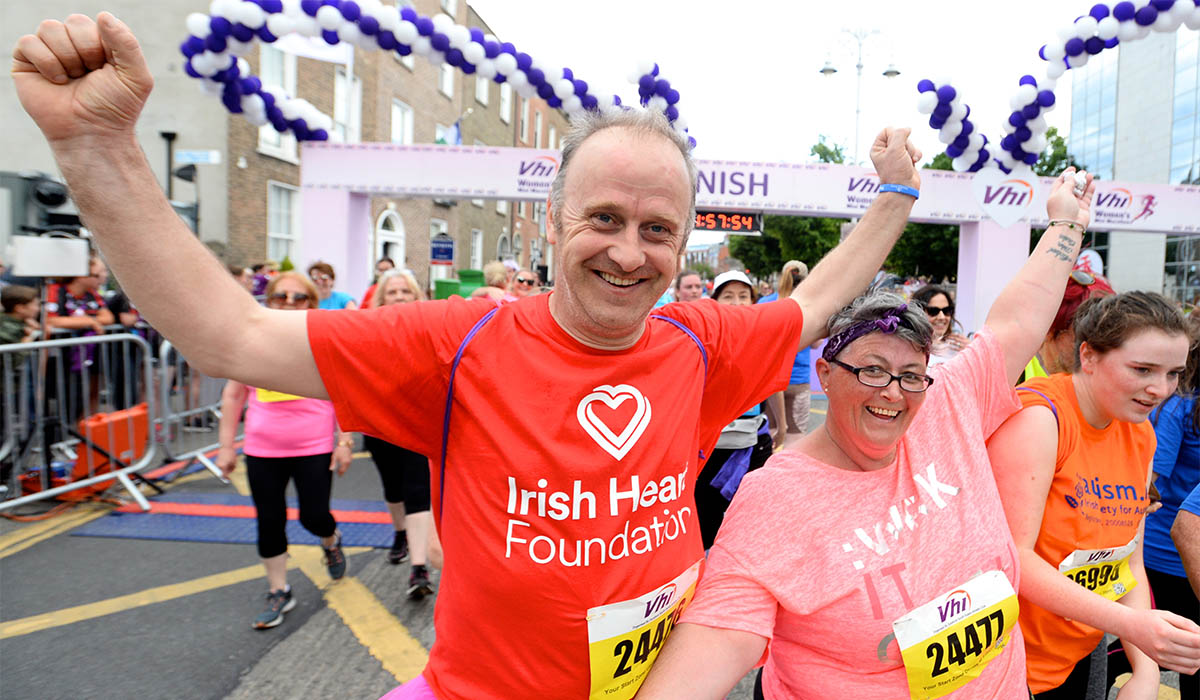
The Irish Heart Foundation's '60 in September' challenge has attracted record numbers of participants in 2026, with thousands of people across Ireland committing to 60 minutes of daily physical activity throughout the month — walking, cycling, swimming, and running their way to better heart health while raising vital funds for research and support services.
Background
Cardiovascular disease remains the leading cause of death in Ireland, accounting for approximately 10,000 deaths annually — a figure that, while it has declined significantly over the past three decades thanks to improved treatments and public health interventions, still represents an enormous burden on individuals, families, and the health system. The Irish Heart Foundation, established in 1966, has been at the centre of efforts to reduce that burden through research funding, public awareness campaigns, and direct support services for those affected by heart disease and stroke.
The '60 in September' challenge was conceived as a way of combining fundraising with a public health message: that regular physical activity is one of the most effective things an individual can do to reduce their risk of cardiovascular disease. The target of 60 minutes per day is deliberately achievable — it does not require gym membership, specialist equipment, or athletic ability — and the social dimension of the challenge, with participants sharing their progress on social media and encouraging friends and family to join, has proven to be a powerful driver of engagement.
Previous editions of the challenge have raised hundreds of thousands of euros for the Foundation, with funds directed toward research grants, the Foundation's stroke support services, and its community defibrillator programme, which has placed life-saving equipment in communities across Ireland.
Key Developments
The 2026 edition of '60 in September' has seen participation levels exceed all previous years, with the Foundation reporting that registrations are running significantly ahead of the same point in 2025. Participants range from seasoned athletes using the challenge as a structured training block to older adults who have been inspired to take their first steps — literally — toward a more active lifestyle.
Corporate participation has also grown substantially, with a number of Irish companies signing up teams of employees and using the challenge as a vehicle for workplace wellness initiatives. Several GAA clubs, running clubs, and community groups have organised group activities around the challenge, turning individual commitments into collective events that have strengthened social bonds as well as cardiovascular fitness.
The Foundation has been particularly encouraged by the level of engagement from younger age groups, with secondary school students and college-age participants featuring prominently among this year's registrations — a demographic that the Foundation has identified as a priority for long-term behaviour change.
Why It Matters
The timing of the challenge — September, as the summer ends and the return to routine creates an opportunity for new habits — is deliberate. Research consistently shows that behaviour change is most likely to occur at transition points, and the Foundation has designed the challenge to capitalise on that psychological window. The 30-day commitment is long enough to establish a habit but short enough to feel manageable, and the fundraising element adds a layer of social accountability that helps participants stay the course.
Beyond the immediate fundraising impact, the challenge serves a broader public health function. Ireland's physical activity levels remain below recommended targets, with surveys consistently showing that a significant proportion of the adult population does not meet the guidelines of 150 minutes of moderate activity per week. The '60 in September' challenge, by making activity social, fun, and purposeful, has the potential to shift those numbers in a meaningful way — particularly if participants carry the habit beyond the end of the month.
The funds raised will support the Foundation's work at a time when cardiovascular services across the HSE are under significant pressure, with waiting lists for cardiac procedures among the longest in the health system.
Local Impact
Across Ireland, the challenge has taken on a distinctly local character. In Cork, a group of Leeside Runners has been organising daily group walks along the Marina, attracting participants who had never previously engaged with a running club. In Limerick, a community group in Moyross has used the challenge as a catalyst for a broader neighbourhood wellness initiative. In Dublin, participants in Ballymun, Clondalkin, and Tallaght have been sharing their daily activity logs on local community Facebook groups, creating a sense of collective endeavour in areas where social isolation can be a significant issue.
The Foundation's community defibrillator programme — one of the key beneficiaries of this year's fundraising — has already placed over 3,000 devices in communities across Ireland, with trained volunteers in each location. Every euro raised through '60 in September' contributes to expanding that network further, potentially saving lives in communities that currently lack access to a defibrillator within the critical first minutes of a cardiac arrest.
What's Next
The '60 in September' challenge runs until 30 September, with participants encouraged to log their activity daily and share their progress using the Foundation's dedicated hashtag. The Foundation will announce the total funds raised at a celebration event in early October, with individual and corporate fundraisers recognised for their contributions. Those who complete the full 30-day challenge will receive a digital certificate and will be entered into a prize draw for a range of health and wellness prizes. Registration remains open at the Irish Heart Foundation's website for those who wish to join the challenge in its final weeks.