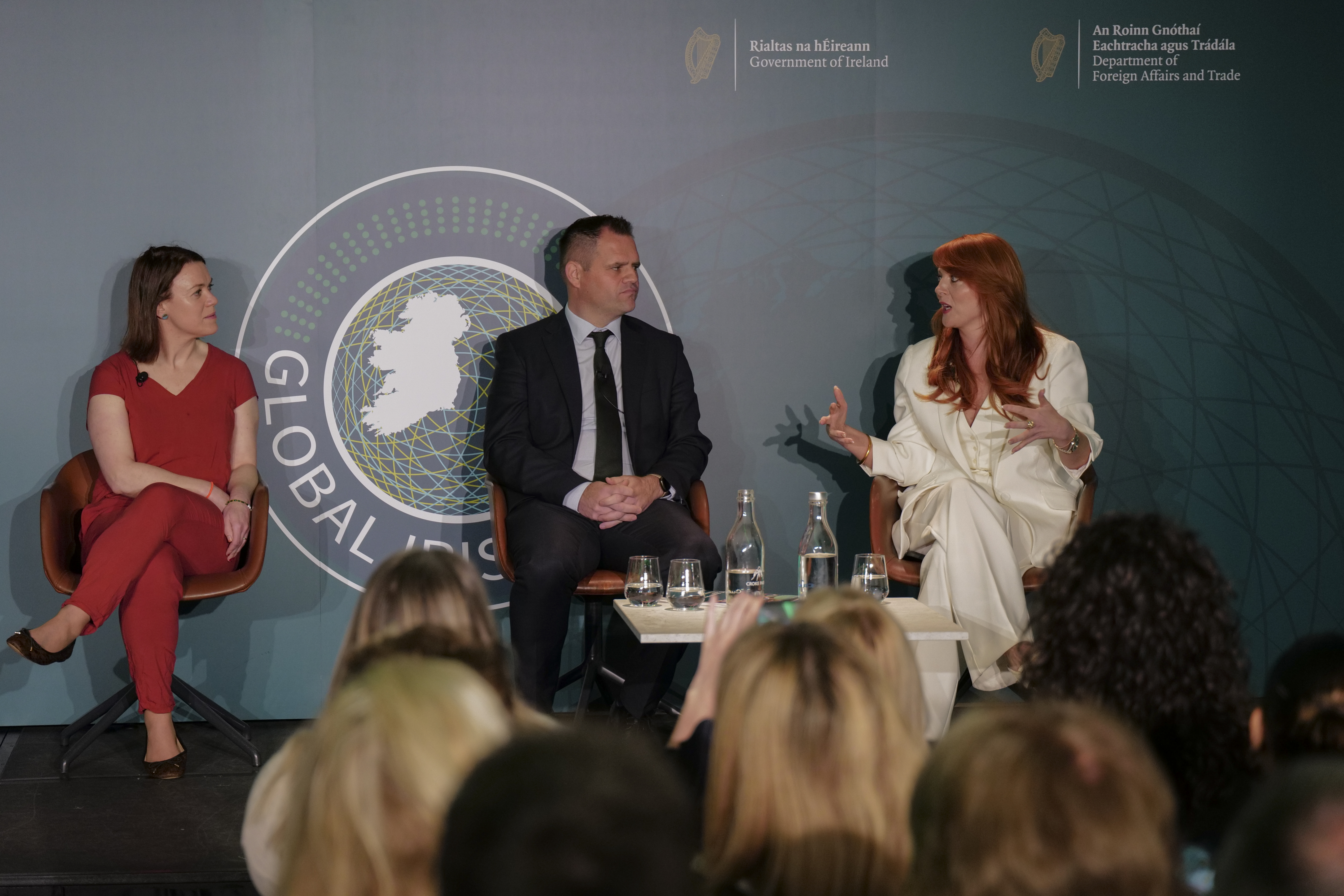
Irish Diaspora Strategy 2026-2030 Launched at Croke Park with 23 Commitments to Support Returning Emigrants
Minister of State for the Diaspora Neale Richmond has launched the Irish Diaspora Strategy 2026-2030 at the fourth Global Irish Civic Forum at Croke Park, setting out 23 commitments centred on facilitating return migration, supporting Irish communities overseas, and deepening engagement with the estimated 70 million people of Irish ancestry worldwide — the most comprehensive diaspora policy framework Ireland has produced in a generation.
Background
Ireland's relationship with its diaspora is one of the defining features of the country's national identity. The Great Famine of the 1840s and the waves of emigration that followed created Irish communities across the English-speaking world and beyond, and the maintenance of connections with those communities has been a consistent priority of Irish foreign policy. The diaspora is estimated at approximately 70 million people worldwide — a figure that dwarfs the population of the island of Ireland itself — and it represents a significant resource in terms of cultural influence, economic connections, and political goodwill.
The Global Irish Civic Forum, which brings together representatives of Irish diaspora communities from around the world, has been meeting since 2011 and has become an important mechanism for the Irish government to engage with the diaspora and to gather intelligence about the needs and concerns of Irish communities overseas. The fourth Forum, held at Croke Park, is the largest yet, reflecting the growing importance that the government attaches to diaspora engagement.
The context for the 2026-2030 strategy is one of significant change in the patterns of Irish emigration. The traditional destinations — the United States, the United Kingdom, and Australia — remain important, but new patterns are emerging. Canada has become the leading destination for Irish emigrants in 2026, with approximately 5,000 Irish people moving there annually. The EU, particularly Germany, the Netherlands, and France, is also attracting increasing numbers of Irish emigrants, particularly in the tech and professional services sectors.
Key Developments
The 23 commitments in the Diaspora Strategy 2026-2030 cover a wide range of areas, from practical support for returning emigrants to cultural engagement with diaspora communities overseas. The most significant commitments relate to return migration — the strategy sets out a series of measures designed to make it easier for Irish people living abroad to return home, including improved information services, enhanced consular support, and a new "Welcome Home" portal that will provide returning emigrants with information about housing, employment, healthcare, and education.
The strategy also includes commitments to increase the Emigrant Support Programme budget, which funds Irish community organisations overseas, and to expand the network of Irish cultural centres in key diaspora locations. Minister Richmond has indicated that the EU Council Presidency, which Ireland assumes in the second half of 2026, will provide an opportunity to deepen engagement with Irish communities in EU member states.
The Emigrant Support Programme 2026/27 application cycle is now open, and organisations providing services to Irish communities overseas are encouraged to apply. The programme has funded hundreds of organisations across the world, from the Irish community centres in London and Boston to smaller organisations in less traditional diaspora locations such as Argentina and South Africa.
Why It Matters
The Diaspora Strategy 2026-2030 is significant for several reasons. First, it represents a recognition that the Irish diaspora is not a fixed or static entity — it is constantly evolving, with new communities forming in new locations and the needs of established communities changing over time. The strategy's emphasis on return migration reflects the reality that many Irish people who emigrated in the 2010s are now at a stage of life where they are considering returning home, and that the government has a role to play in facilitating that return.
Second, the strategy comes at a time when the Irish community in the United States is experiencing significant anxiety about immigration enforcement. Minister Richmond has warned that Irish people in the US are experiencing a heightened "sense of vulnerability," with both documented and undocumented Irish citizens reporting increased anxiety. The strategy's commitments on consular support and information services are directly relevant to this situation.
Third, the strategy's emphasis on cultural engagement reflects an understanding that the diaspora is not just an economic resource but a cultural one. The Irish language, traditional music, sport, and literature are all part of the cultural inheritance that connects the diaspora to the island, and the strategy includes commitments to support the promotion of Irish culture in diaspora communities.
Local Impact
In Ireland itself, the Diaspora Strategy has implications for communities across the country. The return migration commitments are particularly relevant for rural areas, which have historically lost population to emigration and which stand to benefit most from a sustained programme of return. Counties in the west and north-west — Donegal, Mayo, Galway, Roscommon — have seen significant emigration over the decades, and the prospect of returning emigrants bringing skills, experience, and capital back to these areas is an attractive one.
What's Next
The Diaspora Strategy 2026-2030 will be implemented through a series of annual action plans, the first of which will be published in the autumn. Minister Richmond has indicated that he will report to the Oireachtas on progress against the 23 commitments on an annual basis. The next Global Irish Civic Forum is expected to take place in 2028. The Emigrant Support Programme 2026/27 application deadline is in July, and successful applicants will be notified in the autumn.