Irish Boxing Eyes World Title Opportunities as Domestic Scene Thrives Ahead of Summer Championships
Irish boxing is entering one of its most promising periods in recent years, with a cohort of Irish professionals positioned for world title challenges and the amateur programme building momentum ahead of the summer international championships — a combination that reflects the depth of talent the sport is producing across the island.
Background
Boxing has a long and distinguished history in Ireland, producing world champions and Olympic medallists across multiple generations. From Barry McGuigan and Steve Collins in the 1980s and 1990s to Katie Taylor and Michael Conlan in the modern era, Irish boxing has consistently punched above its weight on the international stage. The sport's roots in working-class communities across Belfast, Dublin, and other Irish cities have given it a social depth that sustains it through periods of difficulty and drives it forward in periods of success.
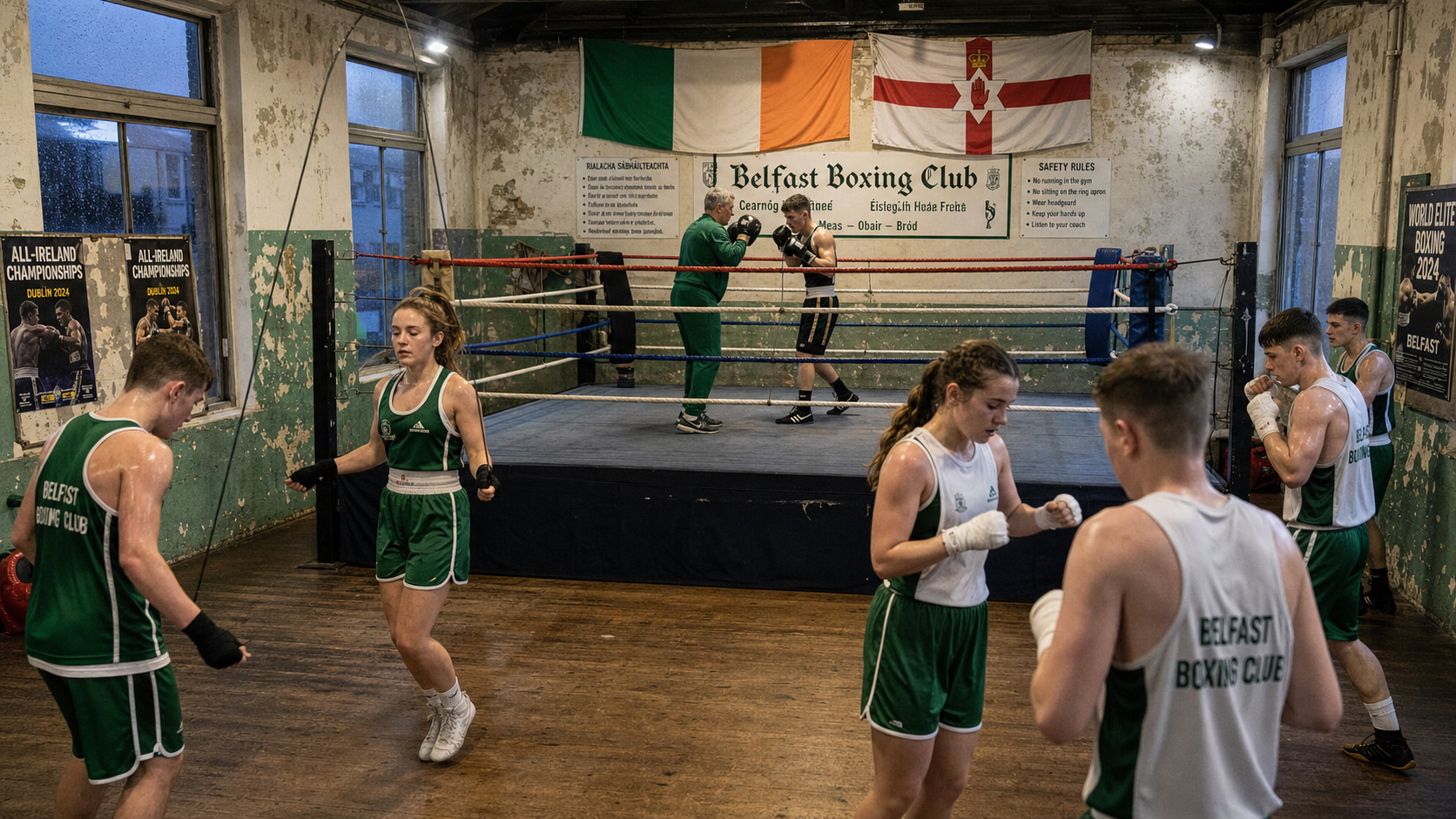
The amateur programme, overseen by Boxing Ireland, has been the foundation of the sport's success. The network of clubs across the island — from the Holy Family club in Belfast to the Crumlin Boxing Club in Dublin — provides the grassroots infrastructure through which talent is identified and developed. The investment in coaching, facilities, and competition pathways has been increasing in recent years, and the results are beginning to show at the highest levels of the sport.
The professional scene has also been developing, with Irish promoters and managers building relationships with the major sanctioning bodies and securing opportunities for Irish fighters to compete for world titles. The success of Katie Taylor, who has been one of the most significant figures in women's boxing globally, has raised the profile of Irish boxing internationally and opened doors for other Irish fighters.
Key Developments
Boxing Ireland has outlined an ambitious programme for the second half of 2026, with a number of Irish amateur boxers set to compete at the World Championships and European Championships scheduled for the summer and autumn. The programme reflects the depth of talent currently available to the national team, with strong representation across multiple weight categories for both men and women.
On the professional side, several Irish fighters are in negotiations for significant bouts that could lead to world title challenges before the end of the year. The specific details of those negotiations are commercially sensitive, but the general picture is one of Irish boxing being better positioned for world title opportunities than at any point in the past decade.
The domestic scene has been thriving, with the National Senior Championships earlier in the year producing a series of high-quality contests and identifying a new generation of talent that is ready to step up to international competition. Clubs across Belfast, Dublin, Cork, and Galway have been reporting increased membership and participation, reflecting a broader growth in the sport's popularity.
Why It Matters
Boxing's importance to Irish sport extends beyond the medals and titles it produces. The sport plays a significant social role in many communities, providing structure, discipline, and a sense of belonging for young people who might otherwise have fewer positive outlets. The clubs that sustain Irish boxing are community institutions as much as sporting organisations, and their health is a reflection of the health of the communities they serve.
At the elite level, Irish boxing's success on the international stage generates national pride and media attention that benefits the sport as a whole. When an Irish boxer wins a world title or an Olympic medal, it inspires a new generation of young people to take up the sport and creates a virtuous cycle of participation and achievement.
The current generation of Irish boxers — both amateur and professional — has the potential to be one of the most successful in the sport's history. The combination of talent, coaching quality, and competitive opportunity that exists in Irish boxing today is exceptional, and the next twelve months could see that potential translated into significant achievements.
Local Impact
In Belfast, the boxing clubs of north and west Belfast — areas with a particularly strong tradition in the sport — have been producing talent that is beginning to make its mark at national and international level. The Holy Family club in New Lodge, the Star of the Sea in Sailortown, and clubs in the Falls and Shankill areas have all been active in developing young boxers, and the results are visible in the national squad selections.
In Dublin, the Crumlin Boxing Club and the National Boxing Stadium on the South Circular Road remain central to the sport's infrastructure. The stadium, which has hosted some of the most memorable nights in Irish boxing history, continues to be the venue for major domestic events and international bouts. In Cork, Galway, and Limerick, the sport is growing, with new clubs being established and existing clubs expanding their membership.
What's Next
The Irish amateur team will begin its preparations for the summer international championships in the coming weeks, with a series of training camps and warm-up competitions planned. Boxing Ireland is expected to announce the full squad for the World Championships in July. On the professional side, several significant bouts are expected to be announced in the coming weeks, with Irish fighters seeking to build their records and their rankings ahead of potential world title challenges in the autumn and winter.