Ireland's Summer Arts Scene Flourishes with Festivals in Waterford, Donegal and Sligo Offering Diverse Programmes
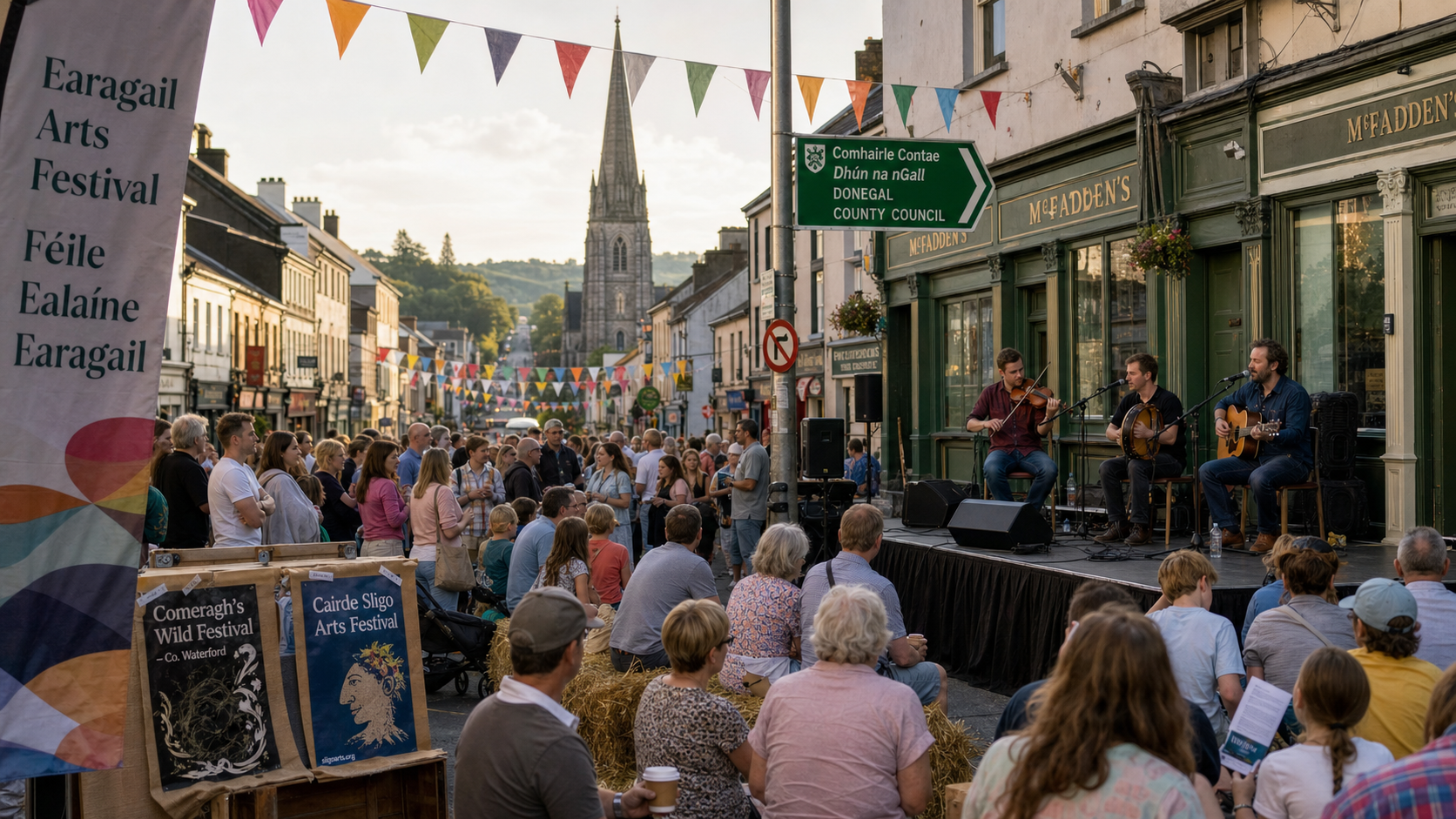
A rich array of multidisciplinary arts festivals is bringing culture to communities across Ireland this July, with events in Co. Waterford, Co. Donegal, and Co. Sligo offering diverse programmes that span comedy, music, theatre, circus, and visual arts — a demonstration of the breadth and vitality of Ireland's regional arts scene that extends well beyond the capital.
Background
Ireland's arts festival landscape has developed significantly over the past two decades, with a proliferation of events across the country that has transformed the cultural geography of the island. Where once the major cultural events were concentrated in Dublin and, to a lesser extent, in Cork and Galway, there is now a rich network of festivals in towns and rural areas across all four provinces that provides communities with access to world-class arts and entertainment throughout the summer months.
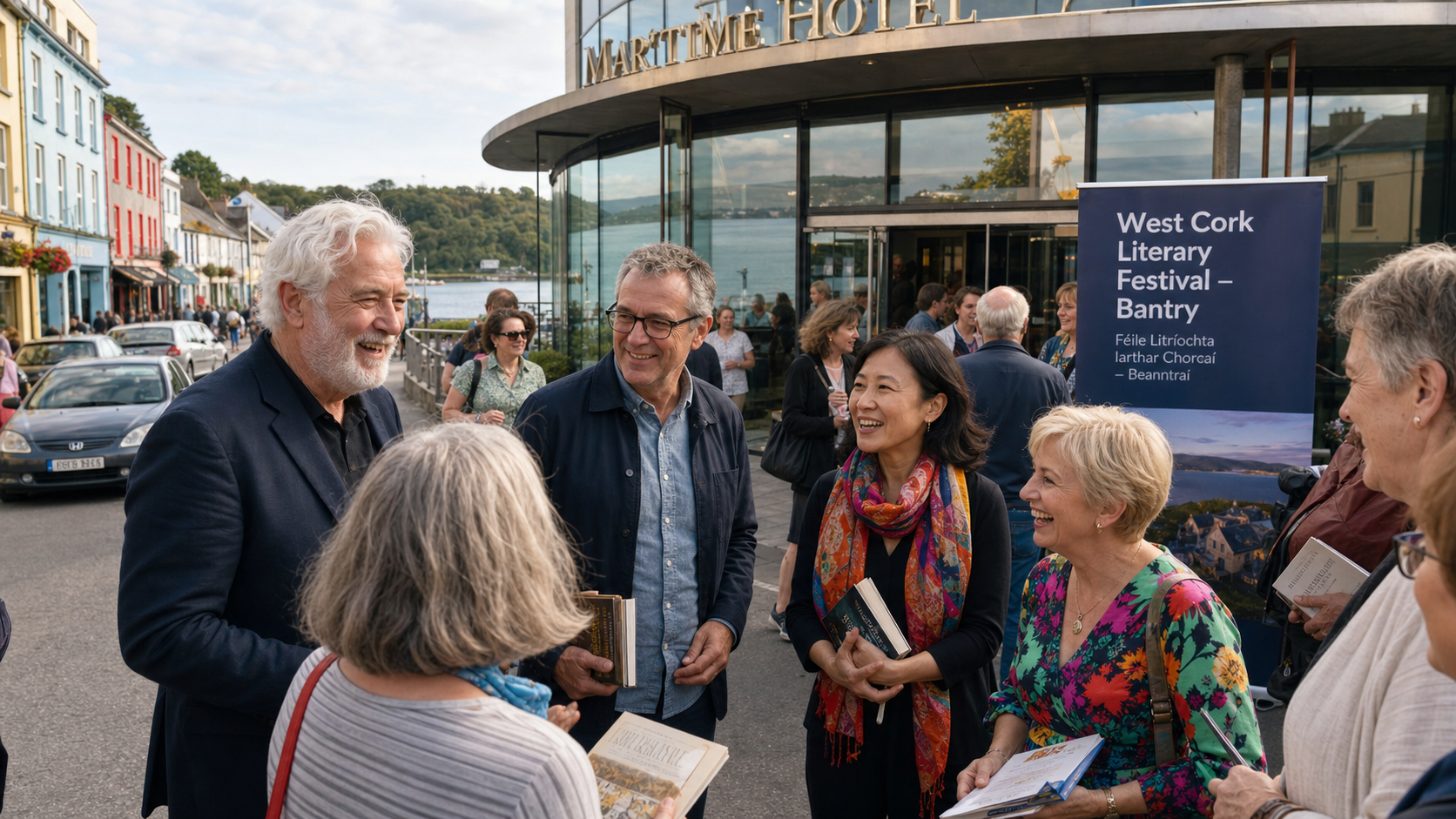
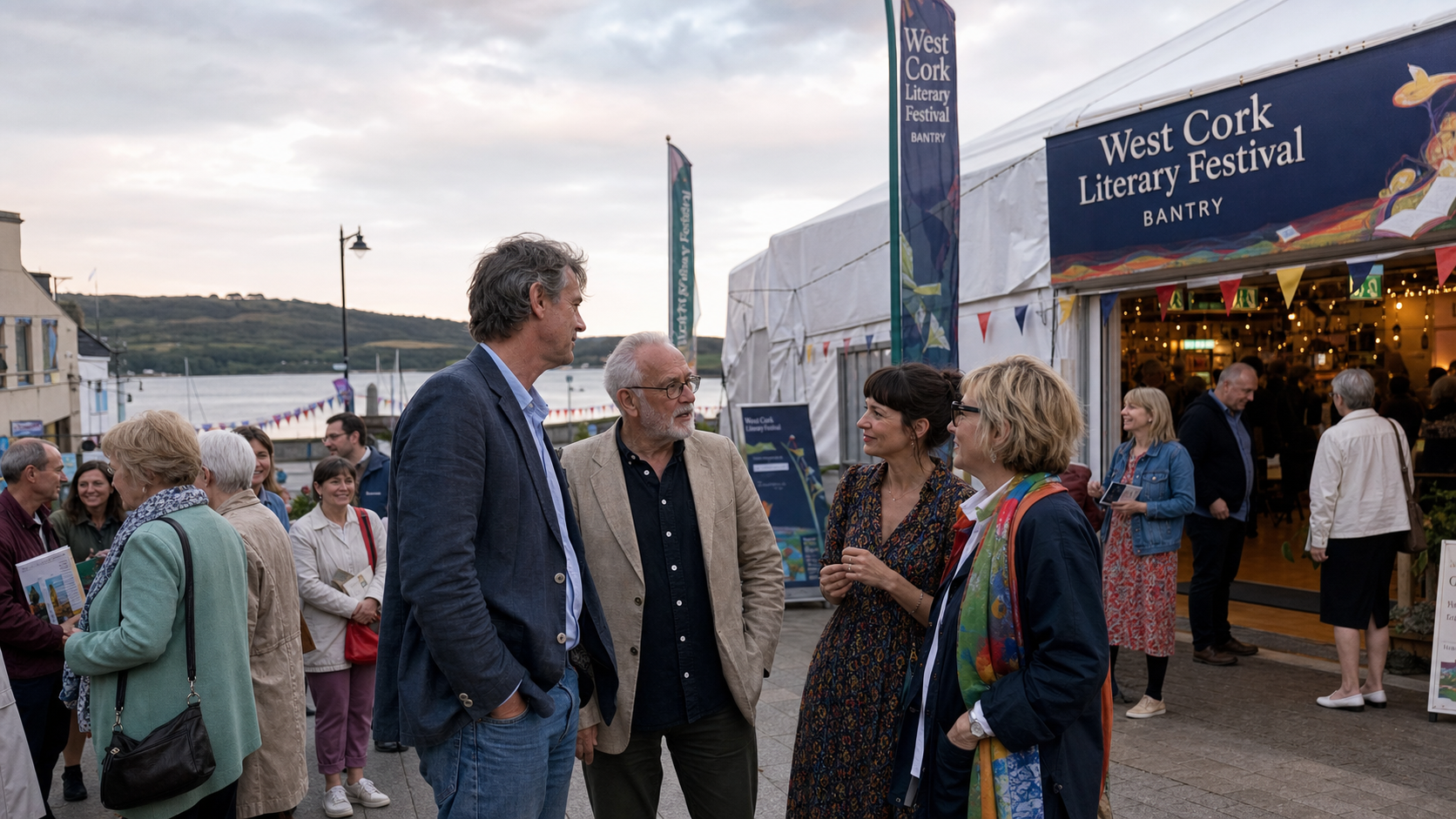
This development has been supported by investment from the Arts Council of Ireland, RTÉ Supporting the Arts, and local authorities, as well as by the entrepreneurial energy of the festival organisers themselves. The result is a summer cultural calendar that offers something for everyone — from the intimate literary events of the West Cork Literary Festival to the large-scale outdoor concerts of Electric Picnic, and from the traditional music of the Fleadh Cheoil to the experimental theatre of the Dublin Theatre Festival.
The festivals taking place in Waterford, Donegal, and Sligo this July represent different aspects of this diverse landscape. Each has its own character, its own community, and its own approach to programming, but all share a commitment to bringing high-quality arts experiences to audiences outside the major urban centres.
Key Developments
The Comeragh's Wild Festival in Co. Waterford, running from 9 to 12 July, is one of the most distinctive events in the Irish summer calendar. Set against the backdrop of the Comeragh Mountains in the heart of the county, the festival blends comedy, music, and wellness activities in a format that is deliberately informal and community-oriented. This year's programme includes performances by The Frank and Walters — the Cork band whose music has been a fixture of the Irish indie scene since the early 1990s — and Duke Special, the Belfast singer-songwriter whose theatrical performances have made him one of the most distinctive voices in Irish music.
The Earagail Arts Festival in Co. Donegal, which runs until 25 July, is one of the longest-established arts festivals in the northwest of Ireland. The festival takes its name from Errigal, the distinctive quartzite mountain that dominates the landscape of the Donegal Gaeltacht, and its programme reflects the cultural richness of a county that has one of the strongest Irish-language traditions in the country. This year's highlights include music from Gwenno — the Welsh-Cornish singer whose work explores Celtic language and identity — and art installations from Mary O'Malley, whose work engages with the landscape and heritage of the west of Ireland.
The Cairde Sligo Arts Festival, which ran from 4 to 11 July, offered a programme that included Jan Carson's 'Anatomy of a Novel' — a masterclass from the Belfast writer whose debut novel 'The Raptures' was one of the most acclaimed Irish novels of recent years — and Junk Ensemble's performance 'Storm 1.0', a physically demanding and visually striking piece of contemporary dance theatre. The festival, which takes place in the town that W.B. Yeats called home, has a particular focus on the intersection of literature and performance.
All three festivals are part of the national programme of 21 major events being promoted by RTÉ Supporting the Arts, which provides both financial support and media coverage to arts events across the country. The programme reflects RTÉ's commitment to the arts as a public service obligation and its recognition that the arts are not a luxury but a fundamental component of a healthy and vibrant society.
Why It Matters
The proliferation of arts festivals across Ireland matters because it demonstrates that culture is not the exclusive preserve of the capital or of the major urban centres. The communities of Waterford, Donegal, and Sligo have as much right to access world-class arts as the residents of Dublin or Cork, and the festivals taking place in these counties this July are a demonstration that the investment in regional arts infrastructure is paying dividends.
The economic argument for arts festivals is also compelling. Each of the festivals taking place this July generates significant economic activity in its host community — through accommodation, food and drink, transport, and retail spending by visitors. The return on public investment in arts festivals, measured in terms of economic activity and community wellbeing, is consistently positive, and the evidence from across Ireland and internationally supports the case for continued and increased investment.
The diversity of the programming — from the comedy and music of the Comeragh's Wild Festival to the experimental dance of Junk Ensemble at Cairde Sligo — reflects the breadth of what Irish arts can offer. There is no single Irish cultural identity, and the festivals taking place across the country this July are a celebration of that diversity.
Local Impact
For the communities hosting these festivals, the impact is felt in multiple ways. The most immediate is economic — the influx of visitors generates spending that supports local businesses and creates employment. But the cultural impact is equally important: the presence of world-class artists in a community changes the way that community sees itself and its potential, and the experience of attending a high-quality arts event can be genuinely transformative for individuals and families.
The festivals also provide opportunities for local artists and performers to participate in events of national and international significance. The inclusion of local talent alongside established names is a feature of all three festivals, and it reflects a commitment to developing the arts ecosystem in each region rather than simply importing culture from outside.
What's Next
The Comeragh's Wild Festival concludes on 12 July, with the Earagail Arts Festival running until 25 July and the Cairde Sligo Arts Festival having concluded on 11 July. The summer arts calendar continues with the West Cork Literary Festival (10-17 July), the Galway Film Fleadh (concluding 12 July), and the Fleadh Cheoil na hÉireann in Belfast (2-9 August). The Arts Council of Ireland will publish its annual review of the arts festival landscape in September, providing a comprehensive assessment of the economic and cultural impact of the summer programme.