Ireland's AI-Driven 'Two-Track' Labour Market Emerges as High-Skill Jobs Boom and Displacement Risks Grow
A stark "two-track" labour market is taking shape in Ireland as artificial intelligence transforms the economy at an accelerating pace — with roles requiring AI skills growing 83% faster than the overall job market, while a parallel process of displacement threatens a significant proportion of existing positions, including those held by highly educated workers in the technology and financial services sectors.
Background
Ireland's economy has been more exposed to the transformative effects of technology than most comparable countries, by virtue of its position as the European headquarters for many of the world's largest technology companies. The presence of Google, Meta, Apple, Microsoft, and dozens of other major tech firms in Dublin and across the country has made Ireland a significant node in the global technology economy — a position that has brought enormous economic benefits but that also means the country is on the front line of whatever disruptions the technology sector produces.
The rapid development of artificial intelligence capabilities over the past three years has created a new set of opportunities and risks for the Irish economy. On the opportunity side, Ireland's existing technology infrastructure, skilled workforce, and regulatory environment make it well-positioned to attract investment in AI development and deployment. On the risk side, the same concentration of technology employment that has driven Ireland's economic success makes the country particularly exposed to the displacement effects of AI automation.
The International Monetary Fund has identified Ireland as being more economically exposed to the risks of AI than most other advanced economies — a finding that reflects both the size of the technology sector relative to the overall economy and the specific nature of the work done in Ireland's tech sector, which includes many of the tasks most susceptible to AI automation.
Key Developments
PwC's 2026 AI Jobs Barometer, published in mid-June, provides the most comprehensive picture yet of how AI is reshaping the Irish labour market. The headline finding — that jobs requiring AI skills are growing 83% faster than the total job market — reflects the extraordinary demand for workers who can develop, deploy, and manage AI systems. AI-related hiring has nearly doubled since 2024, driven by the expansion of AI capabilities and the growing recognition among Irish businesses that AI competency is becoming a core requirement across many roles.
But the ESRI and the Department of Finance have provided a counterpoint to this optimistic picture, warning that AI could displace 7% of current jobs in the short term. Crucially, the displacement risk is not confined to low-skilled or routine work — it extends to highly educated workers in technology and financial services, sectors where Ireland has a significant concentration of employment. "We're not talking in sci-fi, it's happening now," one industry analyst told the Irish Times. "Companies are increasingly using AI to automate repeatable tasks, leading to either layoffs or the redeployment of staff into oversight roles."
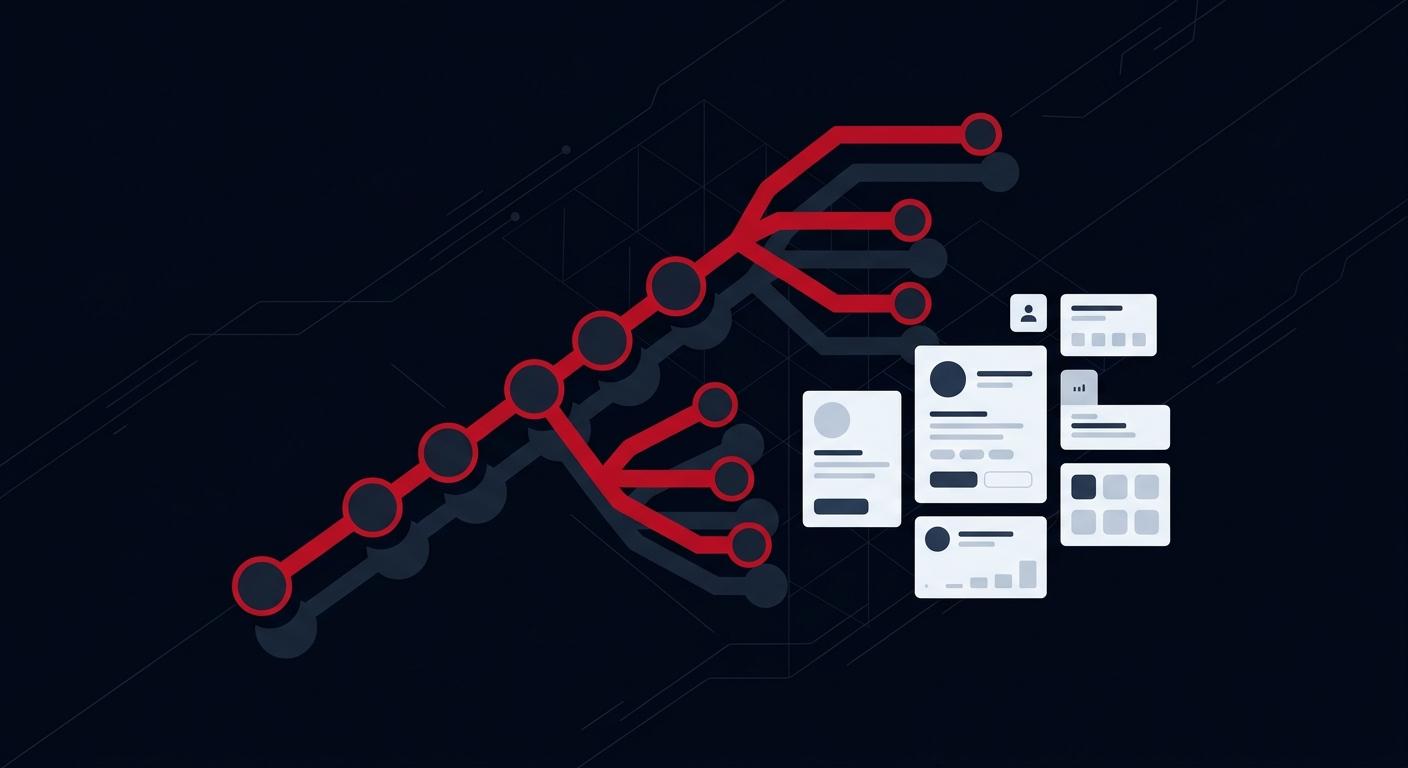
The result is a labour market that is bifurcating: one track of high-paying, high-demand roles for those with AI skills, and another track where AI automation is leading to restructuring, redundancies, and the erosion of roles that were previously considered secure.
Why It Matters
The emergence of a two-track labour market has significant implications for Irish society and for the government's economic and social policy. If the benefits of AI-driven growth accrue primarily to those with the skills to work with AI systems, while the costs of displacement fall on those without those skills, the result could be a significant increase in economic inequality — a reversal of the broadly shared prosperity that Ireland has experienced over the past three decades.
The policy response to this challenge requires action on multiple fronts: investment in education and training to ensure that workers can develop the skills needed for the AI economy; social protection systems that can support those who are displaced; and regulatory frameworks that ensure the benefits of AI are distributed broadly rather than captured by a small number of companies and individuals.
Ireland's position as a hub for major technology companies gives it both a particular exposure to AI disruption and a particular opportunity to shape how AI is developed and deployed. The decisions made by the Irish government and by the companies operating here in the next few years will have consequences that extend well beyond the country's borders.
Local Impact
In Dublin's technology hub — the area around Grand Canal Dock, Silicon Docks, and the wider city centre — the two-track dynamic is already visible. Companies are hiring aggressively for AI-related roles while simultaneously restructuring other parts of their operations. The net effect on employment in the sector has been broadly positive so far, but the pace of change is accelerating and the direction of travel is uncertain.
For workers in financial services — concentrated in the IFSC and in the major banks and insurance companies — the displacement risk is particularly acute. Many of the tasks performed in financial services, from data analysis to compliance checking to customer service, are precisely the kinds of tasks that AI systems are becoming increasingly capable of performing. The sector is already seeing significant restructuring, and the pace of that restructuring is expected to increase.
What's Next
The government is expected to publish a national AI strategy in the autumn, setting out its approach to maximising the opportunities and managing the risks of AI for the Irish economy. The strategy is expected to include commitments on education and training, on research and development, and on the regulatory framework for AI. The ESRI has been commissioned to produce a more detailed assessment of the labour market impacts of AI, which is expected to be published before the end of the year.