HSE Under Pressure as Agency Staff Spending Tops €900 Million Amid Calls for Permanent Workforce Reform
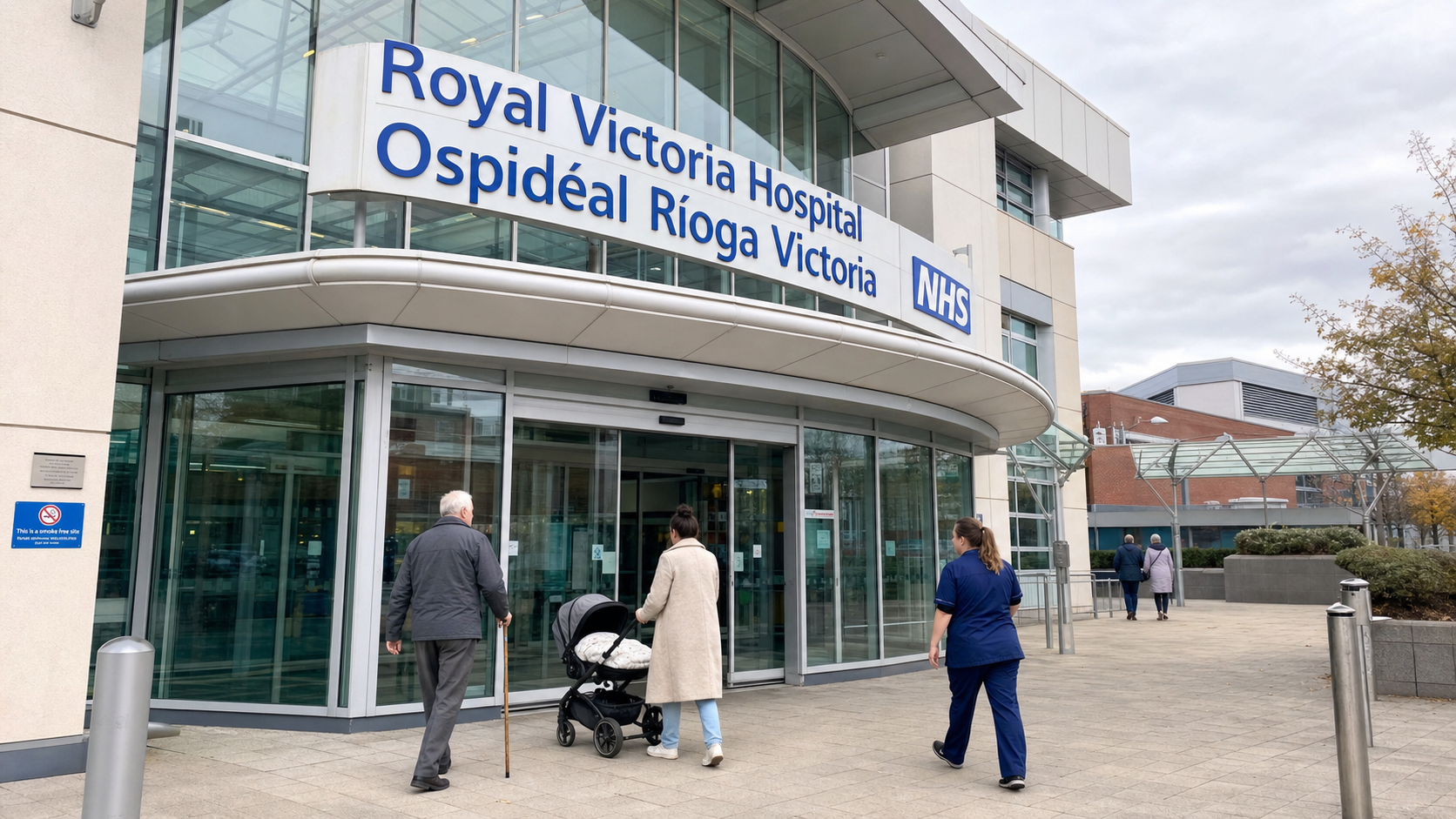
The Health Service Executive is facing mounting political pressure over its reliance on external agency personnel, with opposition claims indicating that spending on agency staff rose to over €900 million in the previous year. The figures, which have been disputed in their precise detail by the HSE but not in their general magnitude, have prompted renewed calls for a fundamental reform of the organisation's workforce strategy. Critics argue that the agency model — which sees the HSE paying premium rates to staffing agencies for nurses, doctors, and allied health professionals — is both more expensive and less effective than building a permanent, stable workforce.
Background
The HSE's reliance on agency staff is a long-standing structural problem that has its roots in the organisation's chronic difficulty in recruiting and retaining permanent staff. Nursing shortages, in particular, have been a persistent challenge, driven by a combination of factors including relatively low pay compared to other English-speaking countries, the high cost of living in Irish cities, and the availability of attractive employment opportunities in the United Kingdom, Australia, and Canada for Irish-trained nurses.
The agency model emerged as a short-term solution to these recruitment challenges, providing the HSE with the flexibility to fill gaps in its workforce at short notice. But what began as a temporary measure has become a structural feature of the health service, with agency spending growing year on year as the underlying workforce challenges have remained unresolved. The cost of agency staff is significantly higher than the cost of equivalent permanent employees, both because of the premium rates charged by agencies and because of the additional administrative costs associated with managing a large contingent workforce.
The problem has been compounded by the HSE's recent cyberattack, which caused a pause in the issuance of various health-related cards including medical cards, European Health Insurance Cards, and GP visit cards, adding further administrative pressure to an already stretched organisation.
Key Developments
The latest figures, cited by opposition TDs in the Dáil, indicate that HSE spending on agency personnel exceeded €900 million in the previous financial year. The HSE has not disputed the general scale of the figure, though it has questioned some of the specific calculations used by opposition parties. The organisation has acknowledged that agency spending is "too high" and has committed to reducing its reliance on agency staff as part of a broader workforce strategy.
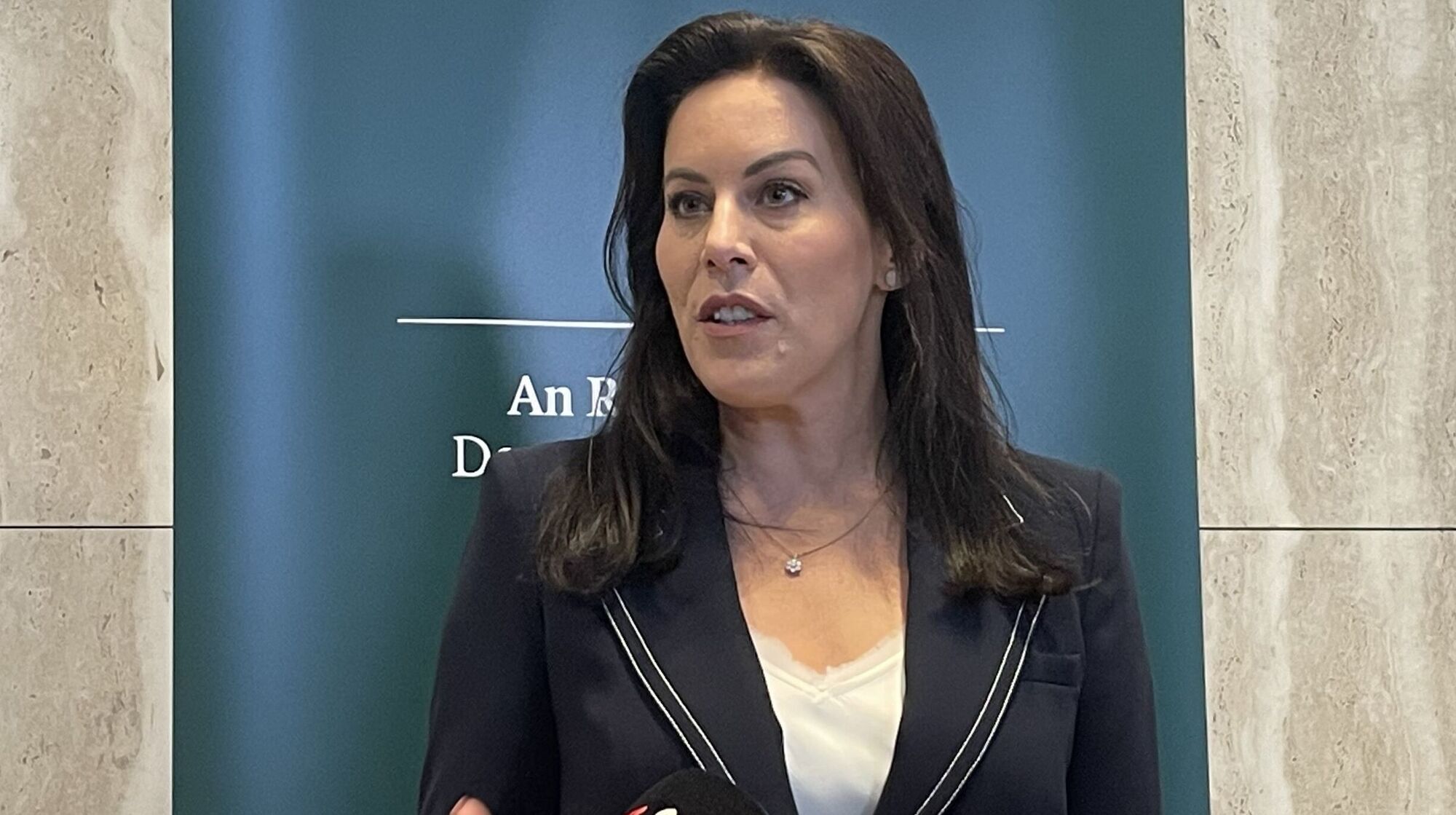
Minister for Health Jennifer Carroll MacNeill has indicated that she is aware of the problem and is working with the HSE on a plan to reduce agency dependency. The minister has pointed to the government's approval of the General Scheme of the Children's Health Ireland Bill 2026, which will integrate CHI into the HSE, as an example of the structural reforms being pursued to improve efficiency and reduce duplication.
The HSE has also been dealing with the fallout from a formal apology issued by University Hospital Galway to the family of a patient following a death linked to care deficiencies — a case that has added to the political pressure on the health service and on the minister.
Why It Matters
The agency staff spending issue matters for several reasons. At the most basic level, it represents a significant waste of public money — the premium paid to agencies for staff who could, in principle, be employed directly by the HSE at lower cost represents hundreds of millions of euros that could be redirected to patient care. The scale of the spending — over €900 million in a single year — is difficult to justify in a health service that is simultaneously struggling to fund essential services and reduce waiting lists.
But the problem is also a symptom of deeper structural issues in the Irish health system. The HSE's difficulty in recruiting and retaining permanent staff reflects broader problems with pay, conditions, and career development that cannot be solved simply by reducing agency spending. A genuine solution requires a comprehensive workforce strategy that addresses the root causes of the recruitment and retention crisis, including pay reform, improved working conditions, and investment in training and career development.
The integration of Children's Health Ireland into the HSE, approved by the government in July, is one element of the structural reform agenda. But critics have argued that it does not address the fundamental workforce challenges that are driving agency spending, and that more radical action is needed.
Local Impact
The impact of the agency staff issue is felt across the HSE's network of hospitals and community health services. In Dublin, where the concentration of HSE facilities is highest, the reliance on agency staff is most acute, with major hospitals including St Vincent's, the Mater, and Beaumont all reporting significant agency usage. In regional hospitals — including University Hospital Galway, Cork University Hospital, and University Hospital Limerick — the problem is compounded by the additional difficulty of recruiting permanent staff to locations outside the major cities. Community health services, including GP practices and primary care centres, are also affected, with agency locums filling gaps in GP rosters across the country.
What's Next
The HSE is expected to publish a revised workforce strategy in the autumn, setting out its plans for reducing agency dependency over the next three to five years. The strategy is expected to include measures to improve recruitment and retention of permanent staff, including pay reform proposals that will require negotiation with the Department of Public Expenditure. The integration of Children's Health Ireland into the HSE is expected to be completed by the end of 2026, with the legislation currently before the Oireachtas. The Minister for Health has indicated that she will provide a progress report on agency spending reduction to the Dáil in September.