Government Acts on E-Scooter Crisis as Children's Brain Injuries Surge 50% in a Year
The Irish government has announced a package of emergency measures to address what medical professionals are describing as an epidemic of serious injuries among children caused by e-scooters. Children's Health Ireland reported that between June 2025 and May 2026, 18 children were admitted to CHI Temple Street with traumatic brain injuries linked to e-scooter incidents — a 50% increase on the 12 admissions recorded in the previous 12-month period. Since May 2026, at least seven additional children have been admitted with similar injuries. The government's response includes raising the minimum age for e-scooter use to 18, making helmets and high-visibility clothing mandatory, and preparing legislation to require registration and licensing of the devices.
Background
E-scooters have proliferated rapidly across Irish cities and towns over the past three years, driven by their convenience, low cost, and environmental credentials. The devices have become a common sight on footpaths, cycle lanes, and roads across Dublin, Cork, Galway, and Limerick, used by commuters, students, and recreational riders of all ages. But the regulatory framework governing their use has struggled to keep pace with their spread, and the consequences for public safety — particularly for children — have been severe.
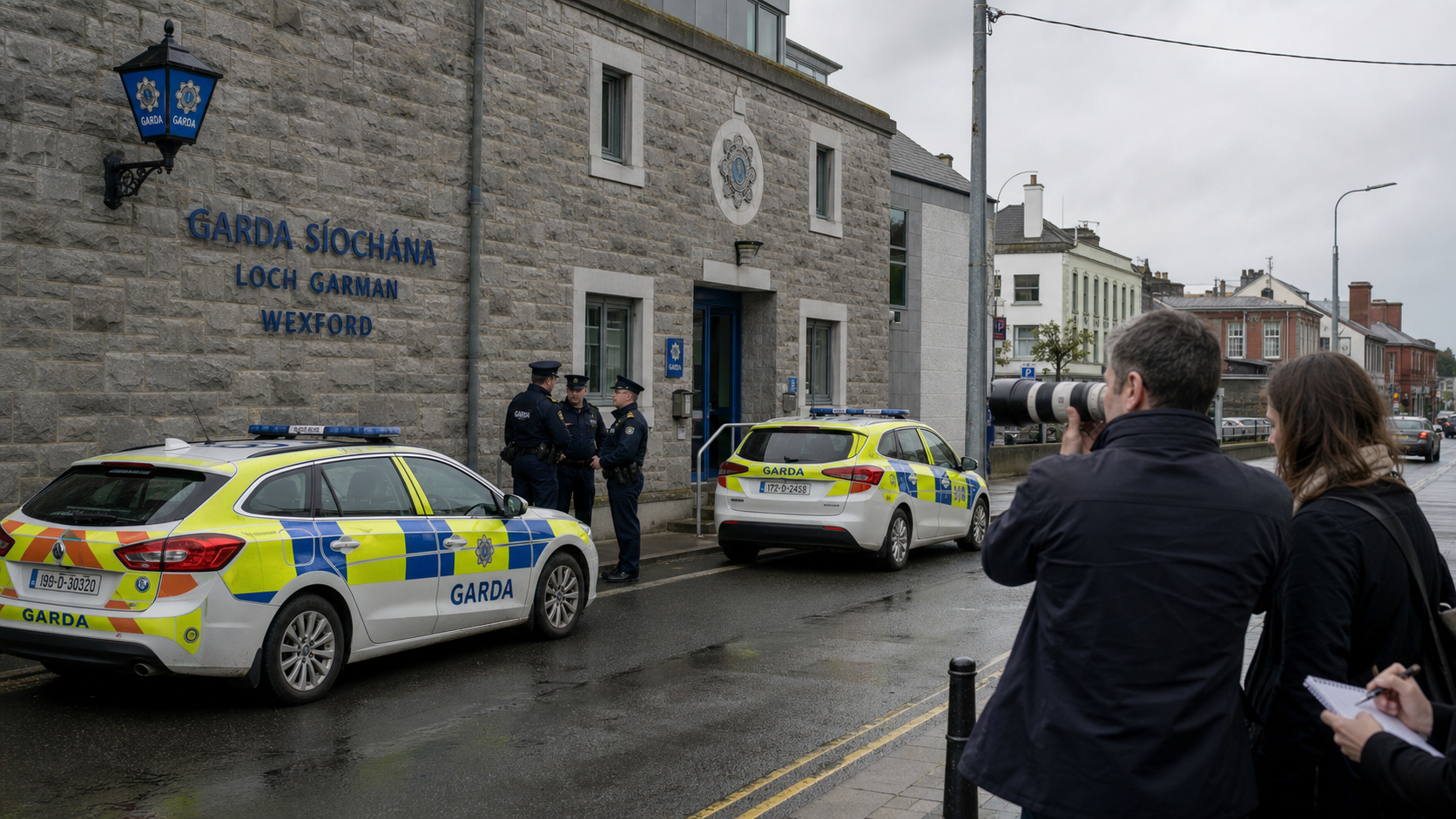
Ireland's e-scooter regulations, introduced in 2022, set a minimum age of 16 and required riders to wear helmets, but enforcement has been inconsistent and the rules have been widely ignored. Garda Commissioner Justin Kelly acknowledged the scale of the enforcement challenge, noting that 1,412 e-scooters have been seized and 793 prosecutions for possession have been brought so far in 2026 — figures that represent a fraction of the actual non-compliance on Irish roads and footpaths.
The clinical data emerging from Children's Health Ireland is stark. All 18 children admitted to CHI Temple Street with traumatic brain injuries showed evidence of intracranial bleeding. Ninety-seven per cent sustained skull fractures. Fifty-three per cent required emergency brain surgery. Approximately 43% were admitted to the Paediatric Intensive Care Unit. Doctors have emphasised that these injuries often result in permanent physical, sensory, and cognitive disabilities requiring lifelong rehabilitation.
Key Developments
Following high-level meetings involving the Taoiseach, the Minister for Justice, and the Garda Commissioner, the government has agreed a package of measures that will take effect in August 2026. The minimum age for e-scooter use will be raised from 16 to 18. The use of helmets and high-visibility jackets will become mandatory for all riders. Legislation is being prepared to treat e-scooters as mechanically propelled vehicles, necessitating formal registration and licensing. Future laws will also prohibit the sale of e-scooters to minors and restrict the sale of devices that do not meet legal safety or speed requirements.
The government has stopped short of an immediate total ban, but officials have stated that an outright ban remains "on the table" if the new measures do not successfully reduce the rate of injuries. The Department of Health has requested a public health report from the HSE on the full scale of the e-scooter injury problem, including data from hospitals beyond CHI Temple Street.
Consultants at CHI and Cork University Hospital have described the situation as an "epidemic" and have called for more decisive action, including a ban on the sale of e-scooters to under-18s and mandatory speed limiters on all devices sold in Ireland.
Why It Matters
The e-scooter injury crisis is a public health emergency that has been building for several years, and the government's response — while welcome — has been criticised by medical professionals as too slow and too cautious. The 50% year-on-year increase in paediatric traumatic brain injuries is a dramatic and alarming statistic, and the clinical outcomes for affected children — many of whom face permanent disability — represent a profound human cost that demands urgent action.
The regulatory challenge is compounded by the fact that e-scooters are widely available for purchase online and in retail outlets, with no effective mechanism for preventing their sale to minors. The proposed legislation to restrict sales will require careful drafting to be effective, and enforcement will remain a challenge. For context, the UK introduced similar measures in 2024 and has seen a modest reduction in e-scooter-related injuries, though the evidence base is still developing.
The broader question of how to integrate e-scooters safely into Ireland's transport network — given their genuine utility as a low-carbon commuting option — remains unresolved. The government's approach of tightening regulation rather than banning the devices outright reflects a recognition that e-scooters are here to stay, but that their use must be managed more effectively.
Local Impact
The impact of the new regulations will be felt most immediately in Dublin, where e-scooter use is most concentrated. The city's cycle lane network, which has expanded significantly in recent years, has become a de facto e-scooter corridor, and the interaction between e-scooters, cyclists, and pedestrians has been a source of ongoing tension. In Cork, Galway, and Limerick, where e-scooter use is also significant, local authorities have been working with An Garda Síochána to develop enforcement strategies. The HSE's public health report, expected in the coming weeks, will provide a more complete picture of the national scale of the problem and inform the government's next steps.
What's Next
The new regulations raising the minimum age to 18 and making helmets and high-visibility clothing mandatory are expected to take effect in August 2026. Legislation to require registration and licensing of e-scooters, and to restrict their sale to minors, is expected to be published before the end of the year. The HSE's public health report on e-scooter injuries is expected within the next four to six weeks. The government has indicated that it will review the impact of the new measures in early 2027 and will consider further action, including a potential ban, if the injury rate does not fall significantly.