GAZE International LGBTQIA Film Festival Opens in Dublin with Almodóvar Premiere and Record Programme
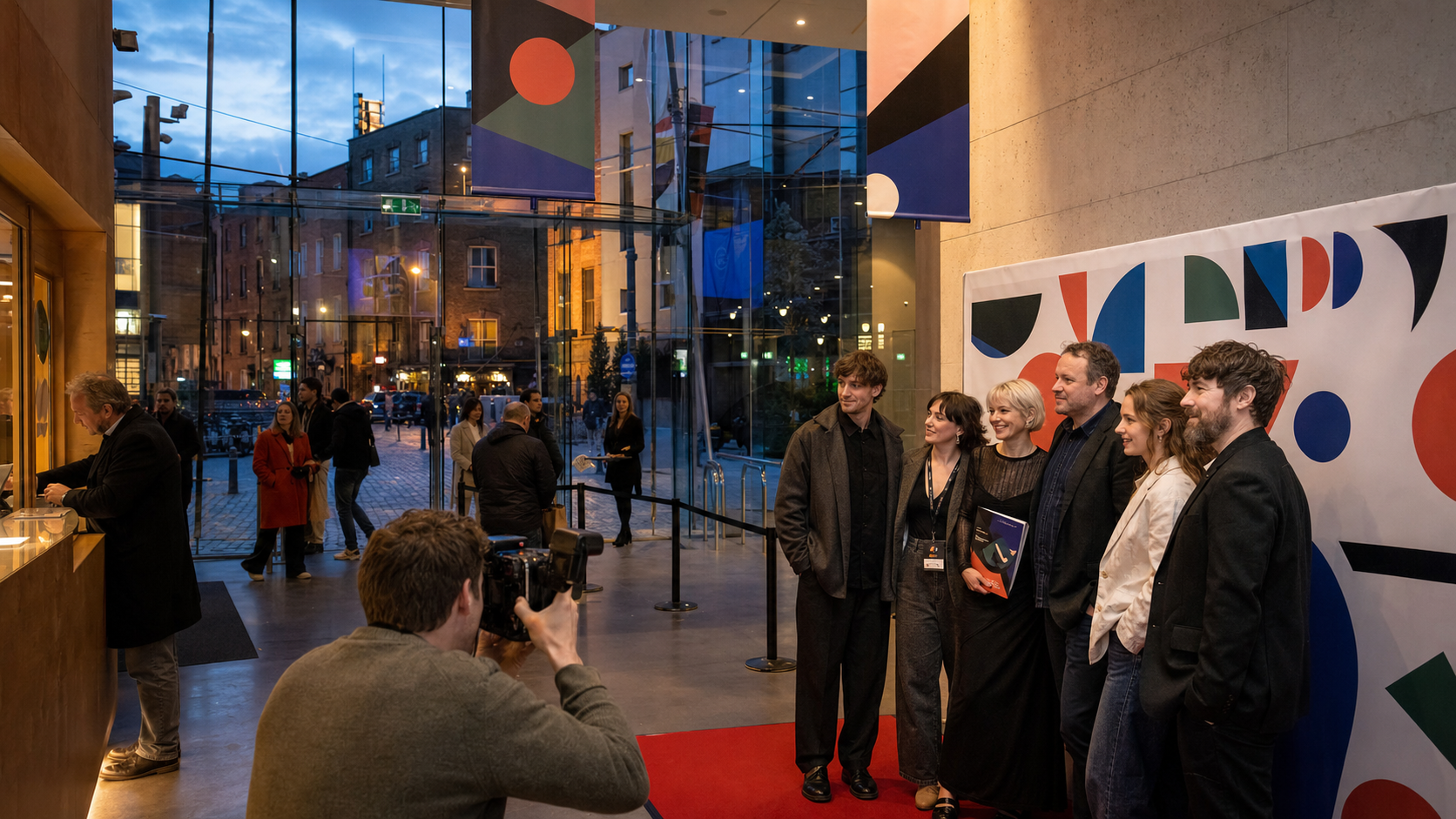
The 34th GAZE International LGBTQIA Film Festival has opened in Dublin, running from July 28 to August 3 at the Light House Cinema, the Irish Film Institute, and the outdoor Living Canvas at IMMA, with the festival opening with the Irish premiere of Pedro Almodóvar's Bitter Christmas and featuring over 14 feature films and a selection of shorts from more than 20 countries in what organisers are describing as the most ambitious programme in the festival's history.
Background
GAZE International LGBTQIA Film Festival has been a fixture of Dublin's cultural calendar since its founding in 1992, making it one of the longest-running LGBTQIA film festivals in Europe. The festival was established at a time when homosexuality had only recently been decriminalised in Ireland — the Criminal Law (Sexual Offences) Act was passed in 1993 — and its early editions were acts of cultural defiance as much as artistic celebration. Over three decades, GAZE has grown from a small community event into a significant international festival that attracts filmmakers, critics, and audiences from across the world.
The 34th edition, directed by Sam Ahern, marks a significant milestone in the festival's history. The programme of over 14 feature films and a selection of shorts from more than 20 countries — including Ireland, Brazil, Mexico, Germany, and Australia — is the most diverse and ambitious in the festival's history, reflecting both the growing global output of LGBTQIA cinema and the increasing confidence of the festival's curatorial team.
The choice of Pedro Almodóvar's Bitter Christmas as the opening film is a statement of intent. Almodóvar, the Spanish director whose career has been defined by his exploration of queer identity, desire, and the complexity of human relationships, is one of the most celebrated filmmakers in the world. His presence in the GAZE programme — even in absentia — signals the festival's ambition to be taken seriously as a platform for the best of international cinema, not merely as a niche community event.
Key Developments
The 2026 programme is organised into five thematic strands: THRILL ME! (suspense and horror), MOVE ME! (emotional narratives), PUSH ME! (transformative and experimental works), WATCH ME! (identity and public persona), and BEGUILE ME! (imaginative and fantasy-driven cinema). The Irish documentary Lesbian Lines by Cara Holmes, which explores the history of the Lesbian Line telephone helpline in Ireland, has been one of the most anticipated films in the programme, with advance tickets selling out within hours of going on sale.
The festival's industry strand, 'Café au GAZE', returns on July 30 at the Light House Cinema, providing a platform for industry talks, panel sessions, and talent labs for both aspiring and established filmmakers. The strand reflects GAZE's growing ambition to be not merely a screening event but a hub for the development of LGBTQIA filmmaking talent in Ireland and internationally.
The 2026 programme also includes a 'New Brazilian Shorts' strand, reflecting the growing Brazilian community in Ireland and the cultural ties between the two countries. The strand features short films by emerging Brazilian filmmakers, several of whom will be attending the festival in person. The inclusion of the strand is a reminder that GAZE's audience is not merely the established LGBTQIA community in Dublin, but a diverse and growing population of people who find in queer cinema a reflection of their own experiences and identities.
Why It Matters
GAZE matters to Dublin's cultural life in a way that goes beyond its role as a film festival. It is a space where LGBTQIA people — and their allies — can see their lives and experiences reflected on screen, in a context that celebrates rather than pathologises those experiences. In a year when the debate about transgender rights has been particularly intense in Ireland and the UK, the festival's commitment to inclusive, diverse programming is a statement of values as much as a curatorial choice. The festival also plays an important role in the Irish film ecosystem, providing a platform for Irish LGBTQIA filmmakers and creating connections between Irish and international cinema communities that can lead to co-productions, distribution deals, and career opportunities.
Local Impact
The GAZE festival brings significant cultural and economic activity to Dublin's cultural quarter, centred on the Light House Cinema in Smithfield and the Irish Film Institute in Temple Bar. The festival attracts visitors from across Ireland and internationally, with hotels and guesthouses in the city centre reporting strong bookings for the festival period. The outdoor Living Canvas at IMMA — the Irish Museum of Modern Art in Kilmainham — provides a unique setting for evening screenings, with the museum's grounds offering a dramatic backdrop for films shown under the summer sky. The festival's 'Café au GAZE' industry strand also brings international film professionals to Dublin, creating networking opportunities for Irish filmmakers and industry practitioners.
What's Next
The GAZE International LGBTQIA Film Festival runs until August 3, with the closing film Jaripeo screening at the Light House Cinema. The festival's awards, including the Audience Award for Best Feature and Best Short, will be announced at the closing ceremony on August 3. The 'Café au GAZE' industry strand takes place on July 30, with a full programme of talks and workshops to be announced. GAZE organisers have indicated that they will begin planning for the 35th edition of the festival in the autumn, with a particular focus on expanding the festival's reach beyond Dublin to other cities and towns across Ireland.