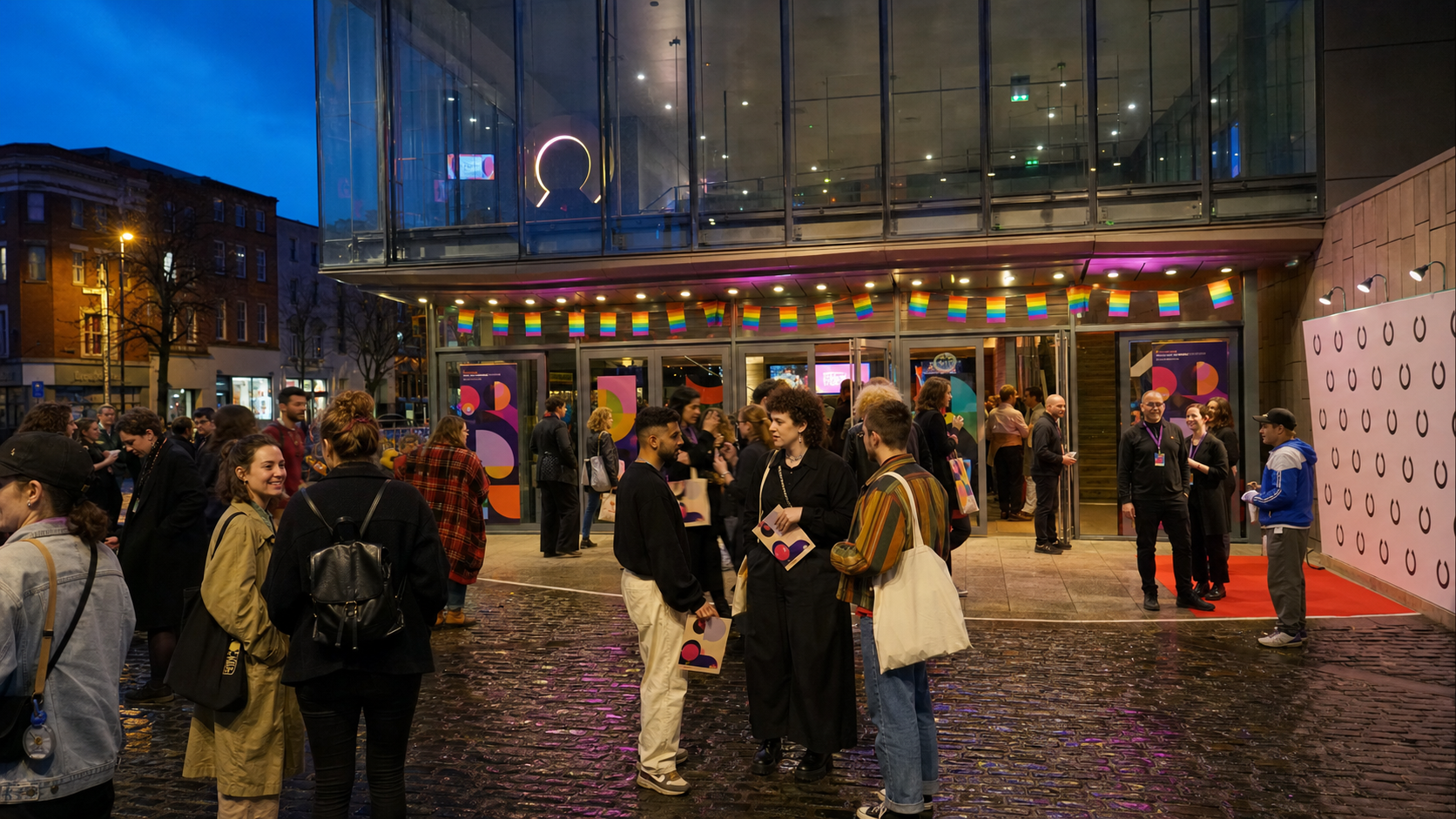
Gaze International LGBTQIA Film Festival Brings Global Cinema to Dublin's Light House and IFI
The Gaze International LGBTQIA Film Festival is in full swing at Dublin's Light House Cinema in Smithfield and the Irish Film Institute on Eustace Street, bringing a rich and diverse programme of international and Irish cinema to the capital as part of one of the longest-running LGBTQIA film festivals in Europe. This year's programme includes screenings, panel discussions, and public interviews under the Café au Gaze banner, with international and Irish guests sharing their experiences of making and watching LGBTQIA cinema in a rapidly changing cultural landscape.
Background
Gaze International LGBTQIA Film Festival has been a fixture of the Dublin cultural calendar since its founding in 1992, making it one of the oldest and most established LGBTQIA film festivals in Europe. The festival has grown significantly over the decades, expanding its programme, its venues, and its audience, and it now attracts filmmakers, critics, and audiences from across Ireland and internationally. Its commitment to showcasing the full diversity of LGBTQIA storytelling — from mainstream international productions to independent short films and documentaries — has made it an important platform for voices and stories that might otherwise struggle to find an audience in Ireland.
The festival's dual venue model, using both the Light House Cinema in Smithfield and the Irish Film Institute on Eustace Street, reflects its ambition and its reach. Both venues are among the most respected independent cinemas in Ireland, with strong track records in programming challenging and culturally significant cinema. The IFI, in particular, has a long history of supporting LGBTQIA cinema and has been a partner of the Gaze festival for many years.
Ireland's relationship with LGBTQIA rights and culture has been transformed over the past decade, most dramatically by the 2015 marriage equality referendum, which made Ireland the first country in the world to legalise same-sex marriage by popular vote. The Gaze festival has been part of that cultural transformation, providing a space for LGBTQIA stories and perspectives at a time when they were marginalised in mainstream Irish culture, and continuing to do so now that the legal landscape has changed.
Key Developments
Thursday's programme at the festival included a Café au Gaze event at the Light House Cinema, featuring public interviews and panel discussions with international and Irish guests. The romantic drama Iván and Hadoum was among the screenings at the Light House, while the IFI hosted a series of short films and documentaries from filmmakers across Europe and beyond. The festival's programming team has emphasised the diversity of the 2026 selection, which includes films from countries where LGBTQIA rights remain severely restricted alongside work from countries where significant progress has been made.
The Café au Gaze events, which have become one of the festival's most popular features, provide an opportunity for audiences to engage directly with filmmakers and cultural figures in a relaxed and informal setting. This year's guests include a number of Irish filmmakers whose work has been selected for the programme, as well as international guests whose films are receiving their Irish premieres at the festival.
Why It Matters
The Gaze festival matters for Irish cultural life in ways that go beyond the films it screens. It is a space where LGBTQIA people and their allies can come together to celebrate stories that reflect their experiences, and where those stories can be shared with a wider audience that might not otherwise encounter them. In a country that has made remarkable progress on LGBTQIA rights in recent years, the festival serves as a reminder that legal equality is not the same as cultural visibility, and that the work of telling LGBTQIA stories — with honesty, complexity, and artistry — remains as important as ever. The festival also plays an important role in connecting Irish LGBTQIA culture with the broader international LGBTQIA cultural community, providing a platform for Irish filmmakers to share their work internationally and for international filmmakers to find an audience in Ireland.
Local Impact
In Dublin, the Gaze festival is a significant event in the city's cultural calendar, drawing audiences from across the city and beyond. The Light House Cinema in Smithfield and the IFI on Eustace Street are both located in areas of the city with strong cultural communities, and the festival generates significant footfall for local businesses, restaurants, and bars throughout its run. The festival also has an important community dimension, providing a space for LGBTQIA people and their allies to come together in a welcoming and celebratory environment. Dublin City Council has been a supporter of the festival for many years, recognising its contribution to the city's cultural life and its role in making Dublin a more inclusive and welcoming city for LGBTQIA people.
What's Next
The Gaze International LGBTQIA Film Festival continues at the Light House Cinema and the Irish Film Institute throughout this week, with the full programme of screenings, panel discussions, and Café au Gaze events available on the festival's website. The closing night event, which traditionally features a special screening and a celebration of the festival's highlights, is expected to take place at the weekend. Full details of the remaining programme, including screening times and ticket information, are available on the Gaze website and at the box offices of both venues.