Galway Races Summer Festival Preview: Plate, Hurdle, and a Week of Racing Royalty at Ballybrit
The Galway Races Summer Festival opens on Monday, July 27, at Ballybrit Racecourse for a seven-day programme that represents the social and sporting centrepiece of the Irish summer, with 54 races scheduled across the week, total prize money exceeding €2 million, over 100,000 racegoers expected through the gates, and the two most prestigious handicap races in the Irish calendar — the Tote Galway Plate on Wednesday and the Guinness Galway Hurdle on Thursday — providing the competitive highlights of a festival that has been running continuously since 1869.
Background
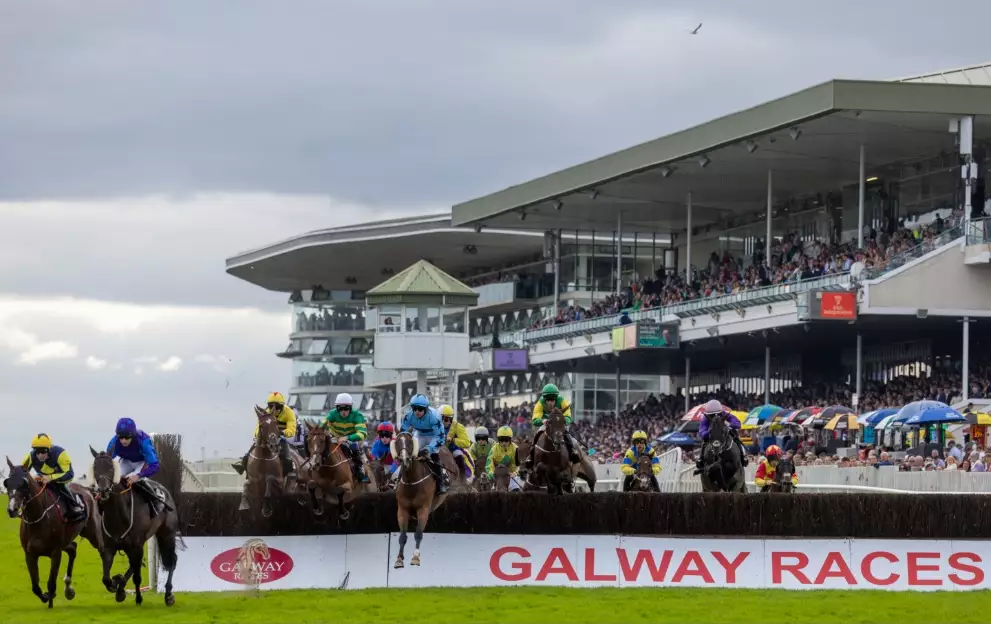
The Galway Races are more than a sporting event; they are a cultural institution. The festival at Ballybrit has been a fixture of the Irish summer for over 150 years, and its combination of world-class racing, vibrant atmosphere, and social occasion has made it one of the most attended sporting events in the country. The racecourse, set in the hills above Galway city, provides a spectacular backdrop for a week that draws racegoers from across Ireland, Britain, and further afield.
The festival's two flagship races — the Galway Plate and the Galway Hurdle — are among the most competitive and unpredictable handicaps in the racing calendar. The Plate, a Grade 3 handicap chase over two miles and six furlongs, is the "Blue Riband" of the festival and has a history of producing dramatic finishes and shock results. The Hurdle, a Grade 3 handicap over two miles, is equally competitive, with the statistics showing that winning favourites are a rarity — there has not been a winning favourite in the last nine renewals.
The 2026 festival features a mix of National Hunt jump racing and flat racing across the seven days, with 54 scheduled contests providing a comprehensive programme for punters and racegoers alike. The total prize fund of over €2 million reflects the festival's status as one of the premier racing events in Ireland and ensures that the quality of the entries is consistently high.
Key Developments
The festival opens on Monday, July 27, with Opening Day featuring the Connacht Hotel Handicap. Tuesday's Tribes Tuesday card is headlined by the Colm Quinn BMW Mile Handicap, one of the most competitive flat races of the week. Wednesday's Tote Galway Plate Day is the centrepiece of the festival, with the Plate attracting the strongest field of the week and generating the most betting interest. Thursday's Ladies Day combines the fashion spectacle — with a €13,000 prize fund for the Best Dressed Lady and Best Hat competitions — with the Guinness Galway Hurdle, the most prestigious hurdle race of the week.
Friday's card features the Guinness Handicap, Saturday brings the Galway Shopping Centre Handicap Hurdle, and the festival concludes on Sunday with the Mad Hatter's Family Fun Day and the Irish Stallion Farms EBF "Ahonoora" Handicap. The entertainment programme across the week includes live music from The Galway Tenors, DJ DOC, Spring Break, The Gamblers, The Conquerors, Jimmy and Claudia Buckley, and a range of other acts.
Trainers Willie Mullins and Joseph O'Brien have strong records in the Galway Hurdle, and both are expected to have significant representation in the race. Gordon Elliott, who has dominated the Galway Plate in recent years, will also be a major presence across the week. The betting markets for both feature races will be closely watched in the days leading up to the festival.
Why It Matters
The Galway Races are one of the most significant events in the Irish sporting and social calendar, and their economic impact on Galway city and county is substantial. The festival generates tens of millions of euros in economic activity, supporting hotels, restaurants, bars, and retail businesses across the region. The 100,000-plus attendance across the week makes it one of the most attended sporting events in Ireland, comparable in scale to the All-Ireland finals and the Cheltenham Festival.
The racing itself is of genuine quality. The Galway Plate and Hurdle attract fields that include horses trained by the leading stables in Ireland and Britain, and the competitive nature of the handicapping means that the results are genuinely unpredictable. The statistics bear this out: only one favourite has won the Galway Plate in the last ten years, and the Hurdle has been similarly resistant to market leaders. This unpredictability is part of the festival's appeal — it is one of the few occasions in the racing calendar where the outcome is genuinely open.
Local Impact
The festival's impact on Galway city is enormous. Hotels across the city and county are fully booked for the week, and the influx of visitors generates significant revenue for the hospitality sector. The racecourse itself employs hundreds of staff during the festival, and the associated events — from the fashion competitions to the live music — create additional employment and economic activity. Galway City Council and Galway County Council have both invested in infrastructure improvements to manage the traffic and crowd management challenges that the festival creates, and Translink and Bus Éireann operate enhanced services to and from the racecourse throughout the week.
What's Next
The festival runs from Monday, July 27, to Sunday, August 2. Tickets are available on the Galway Races website, and organisers advise visitors to plan travel in advance, as traffic restrictions are typically implemented for the duration of the festival. The betting markets for the Galway Plate and Hurdle will be published in the days leading up to the races, and the racing press will provide detailed previews and analysis of the key contests. The festival's conclusion on August 2 marks the beginning of the second half of the Irish flat racing season, with the Curragh's summer programme continuing through August and September.