Galway International Arts Festival Reaches Final Week with Record Attendance Projected
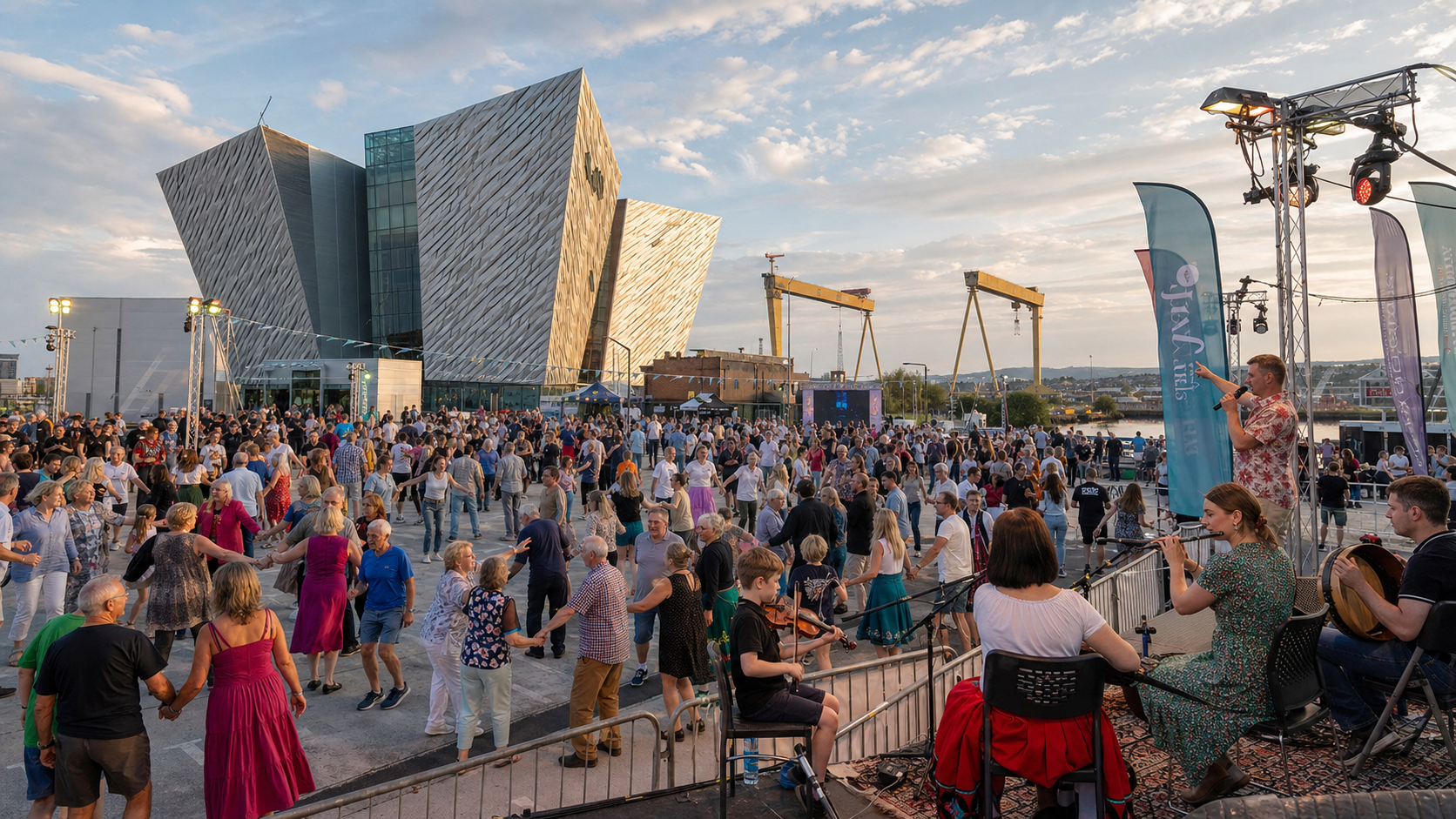
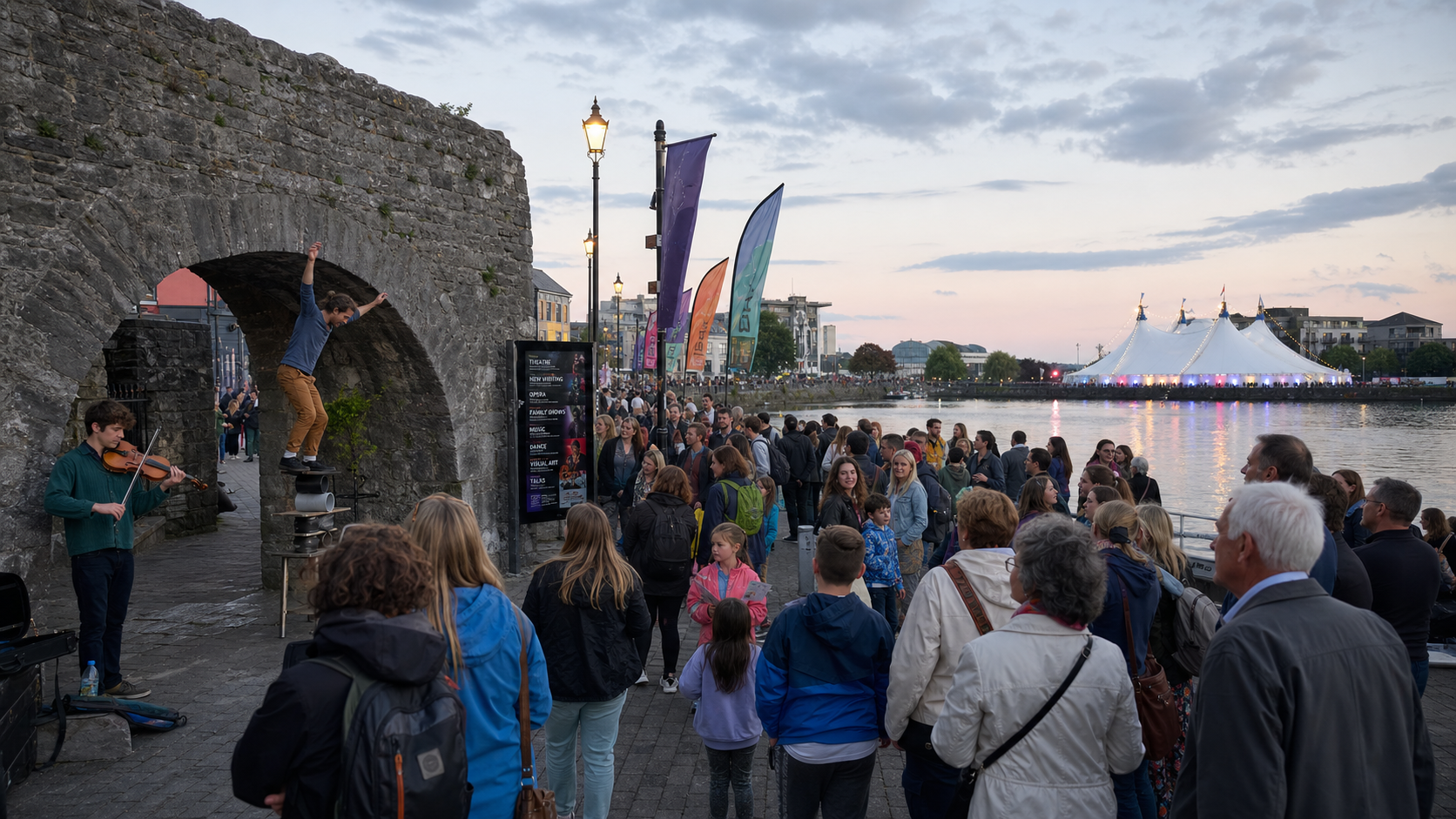
The 49th Galway International Arts Festival enters its final week — running until July 26 — with record attendance figures projected to exceed 450,000 visitors and an estimated €50 million in economic benefits for the city. The festival, which has been running since July 13, has featured a multidisciplinary programme spanning theatre, music, opera, circus, dance, and visual arts, with highlights including Druid's production of The Shaughraun, the Irish National Opera's world premiere of Testament, and Compagnie PPP's The Whale Street street spectacle.
Background
The Galway International Arts Festival, now in its 49th year, is one of Ireland's most significant cultural events and one of the most important multidisciplinary arts festivals in Europe. Founded in 1978, the festival has grown from a small local event into a major international gathering that attracts artists, performers, and audiences from across the world. Its location in Galway — a city with a strong artistic tradition, a vibrant student population, and a unique cultural identity shaped by its position on the edge of the Gaeltacht — gives it a distinctive character that sets it apart from other major European festivals.
The 2026 festival, which coincides with Ireland's EU Council Presidency and the launch of the Cultúr 2026 national cultural programme, has been positioned as a showcase for Irish artistic excellence on the European stage. The festival's programme, developed over several years by artistic director Paul Fahy and his team, reflects a commitment to presenting work of the highest international quality alongside emerging Irish talent.
The economic significance of the festival for Galway is substantial. The projected €50 million economic impact — generated through visitor spending on accommodation, food, transport, and retail — represents a significant contribution to the city's economy during what is already its busiest tourist season. Hotels across the city have been at full capacity for the duration of the festival, and restaurants and bars have reported their strongest trading figures of the year.
Key Developments
The theatrical highlights of the 2026 festival have been led by Druid Theatre's production of Dion Boucicault's The Shaughraun, directed by Garry Hynes. The production, staged at the Town Hall Theatre, has received critical acclaim for its energy, wit, and the quality of its ensemble performances. Hynes, who founded Druid in 1975 and has been one of the defining figures of Irish theatre for five decades, has brought her characteristic rigour and intelligence to a play that is rarely staged in its full complexity.
The Irish National Opera's world premiere of Testament, a chamber opera by composer Tarik O'Regan and librettist Colm Tóibín, has been one of the most talked-about events of the festival. The collaboration between two of Ireland's most distinguished artists — Tóibín, the Booker Prize-winning novelist, and O'Regan, whose work has been performed by leading opera companies worldwide — has produced a work of considerable emotional power that has drawn audiences from across Ireland and Europe.
The street programme has been a particular success, with Compagnie PPP's The Whale Street — featuring a giant whale and ship parading through the city centre — drawing large crowds and generating significant social media attention. The free street programme has been a key element of the festival's commitment to accessibility, ensuring that the festival is not exclusively for those who can afford ticket prices.
Why It Matters
The Galway International Arts Festival occupies a unique position in Irish cultural life. It is large enough to attract major international artists and companies, but small enough to maintain the intimacy and community connection that distinguishes it from the mega-festivals of Edinburgh or Avignon. Its location in Galway — a city that is simultaneously a major tourist destination, a university city, and a gateway to the Irish-speaking west — gives it a cultural resonance that extends beyond the purely artistic.
The festival's economic impact is also significant in the context of the broader debate about arts funding in Ireland. The Arts Council's Arts Insight report, published earlier this year, found that 90% of people under 35 attended an arts event in 2025, and that 77% of citizens describe Ireland as a "creative nation." The Galway festival is a major contributor to that cultural identity, and its continued success makes the case for sustained public investment in the arts.
Local Impact
The festival's impact on Galway city is felt across all sectors of the local economy. The hospitality sector — hotels, restaurants, bars, and cafes — benefits most directly, but the retail sector, transport providers, and cultural venues also see significant increases in activity during the festival fortnight. The University of Galway, which co-presents the First Thought Talks series, benefits from the association with a major international cultural event. Local artists and performers, many of whom participate in the festival's community and fringe programming, gain exposure and experience that supports their professional development. The festival's volunteer programme, which involves hundreds of Galway residents each year, creates a sense of community ownership and pride that extends well beyond the two-week event.
What's Next
The festival concludes on July 26 with a headline concert by Cian Ducrot at the Heineken Big Top. The festival's artistic team will begin planning for the 50th anniversary edition in 2027 — a milestone that is expected to attract significant additional investment and international attention. The economic impact assessment for the 2026 festival will be published in September, providing a detailed analysis of the festival's contribution to the Galway economy and to the broader Irish tourism sector.