Galway International Arts Festival 2026 Announces Ambitious Programme with World Premiere Opera, Druid Theatre and Flaming Lips
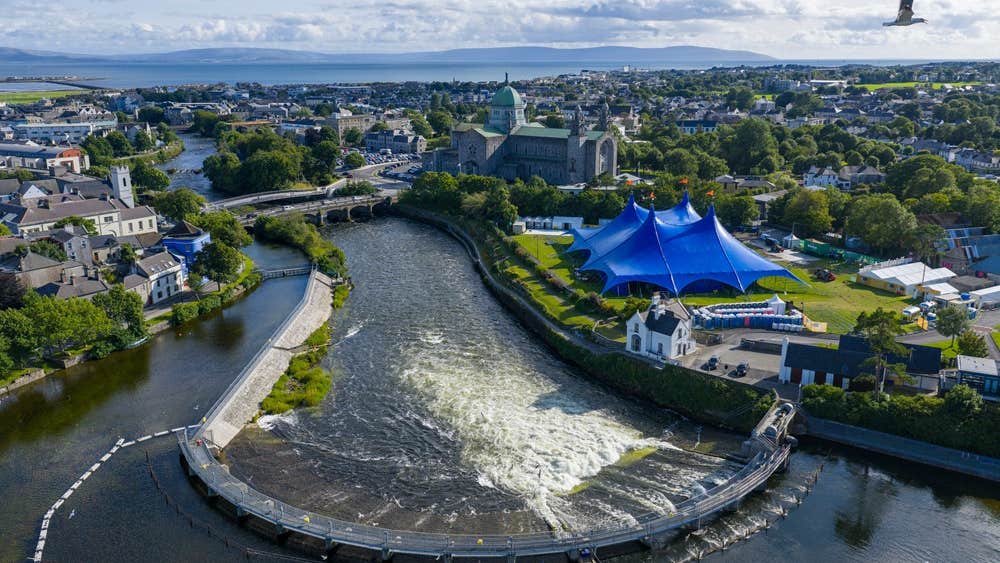
The Galway International Arts Festival has confirmed what many in the Irish arts world have been anticipating: a 2026 programme of exceptional ambition and range, running from July 13 to 26 and featuring a world premiere chamber opera by two of the most celebrated figures in contemporary Irish and international culture, a major new production from Druid Theatre, a landmark sculpture exhibition, and a music programme that spans from the avant-garde to the beloved. The festival, which has been a cornerstone of Irish cultural life for nearly five decades, is once again demonstrating why Galway is regarded as one of Europe's great arts cities.
Background
The Galway International Arts Festival was founded in 1978 and has grown from a modest local event into one of the most significant arts festivals in Europe, attracting audiences of over 200,000 people annually and generating an estimated €50 million for the Galway economy. The festival's success is built on a combination of world-class programming, a distinctive Galway atmosphere, and the city's unique capacity to absorb and celebrate large-scale cultural events without losing its character.
The festival has a particular reputation for commissioning and premiering new work, particularly in theatre and visual arts. Its relationship with Druid Theatre Company — one of Ireland's most celebrated theatre companies, founded in Galway in 1975 — has been one of the defining partnerships of Irish cultural life, producing some of the most significant theatrical productions of the past four decades. The festival has also been a platform for emerging Irish artists, providing opportunities for new voices to reach large audiences in a supportive and prestigious context.
The 2026 programme has been developed against the backdrop of a significant recovery in the Irish arts sector following the disruptions of the pandemic years. Audiences have returned to live events in large numbers, and the appetite for ambitious, high-quality cultural programming is strong. The festival's artistic director has indicated that the 2026 programme reflects a deliberate ambition to push the boundaries of what an Irish arts festival can achieve.
Key Developments
The centrepiece of the 2026 programme is the world premiere of Testament, a chamber opera created by novelist Colm Tóibín and composer Tarik O'Regan. Tóibín, whose novels include Brooklyn, The Master, and Nora Webster, is one of the most celebrated Irish writers of his generation, and his collaboration with O'Regan — a British-Moroccan composer whose work has been performed by leading opera companies around the world — promises to be one of the most significant new Irish operas in years. The work, which draws on Tóibín's deep engagement with questions of faith, identity, and belonging, will receive its world premiere at the festival before embarking on an international tour.
Druid Theatre's new production of The Shaughraun, Dion Boucicault's classic nineteenth-century melodrama, will be directed by Garry Hynes, the company's founder and one of the most distinguished theatre directors in the English-speaking world. Hynes's approach to classic Irish drama has consistently found new resonances and contemporary relevance in texts that might otherwise seem dated, and her treatment of The Shaughraun is expected to be no exception.
The visual arts programme is anchored by Presence, a major outdoor sculpture exhibition by British sculptor Sean Henry, whose monumental figurative works have been exhibited in public spaces around the world. The exhibition will be installed across multiple locations in Galway city, transforming the urban landscape and providing a free, accessible cultural experience for all visitors. The Heineken Big Top music programme features The Flaming Lips, Patti Smith Quartet, and The Saw Doctors, among others.
Why It Matters
The Galway International Arts Festival matters because it is one of the clearest expressions of Ireland's cultural ambition and confidence. The decision to commission a world premiere opera by Colm Tóibín and Tarik O'Regan — rather than simply presenting existing work — reflects a commitment to the creation of new Irish culture that goes beyond the merely curatorial. It is a statement that Ireland is not just a consumer of international culture but a producer of it.
The festival also matters because of its economic and social impact on Galway and the wider west of Ireland. The €50 million economic contribution is significant for a city of Galway's size, and the festival's ability to attract international visitors — from Europe, North America, and beyond — makes it one of the most effective cultural tourism assets in the country. The government's investment in the festival through the Arts Council and Fáilte Ireland is therefore not just a cultural subsidy but an economic investment with a demonstrable return.
The inclusion of The Saw Doctors in the Big Top programme is also worth noting. The Tuam band, who have been one of the most beloved acts in Irish music for over three decades, represent the festival's commitment to celebrating Irish popular culture alongside the more obviously prestigious elements of the programme. Their presence ensures that the festival remains accessible and relevant to a broad audience, not just the cultural cognoscenti.
Local Impact
The impact of the festival on Galway city is profound and multifaceted. During the two weeks of the festival, the city's population effectively doubles, with visitors filling every hotel, guesthouse, and Airbnb in the city and the surrounding area. The festival's economic impact is felt across the hospitality, retail, and transport sectors, and it provides a significant boost to the incomes of artists, technicians, and cultural workers across the west of Ireland.
The festival also has a lasting impact on Galway's cultural infrastructure. The relationships built between local and international artists during the festival often lead to ongoing collaborations, and the festival's commissioning programme has produced works that have gone on to be performed around the world, carrying the Galway name with them. The city's reputation as a cultural destination — reinforced by its designation as European Capital of Culture in 2020 — owes much to the sustained excellence of the festival.
What's Next
Tickets for the Galway International Arts Festival 2026 are now on sale through the festival's website and box office. The festival runs from July 13 to 26, with events taking place across multiple venues in Galway city. The full programme, including details of all performances, exhibitions, and events, is available on the festival's website. The festival's artistic director will present the programme in detail at a press launch in Galway on June 18.