GAA Launches New 16-Team All-Ireland Football Championship Format for 2026
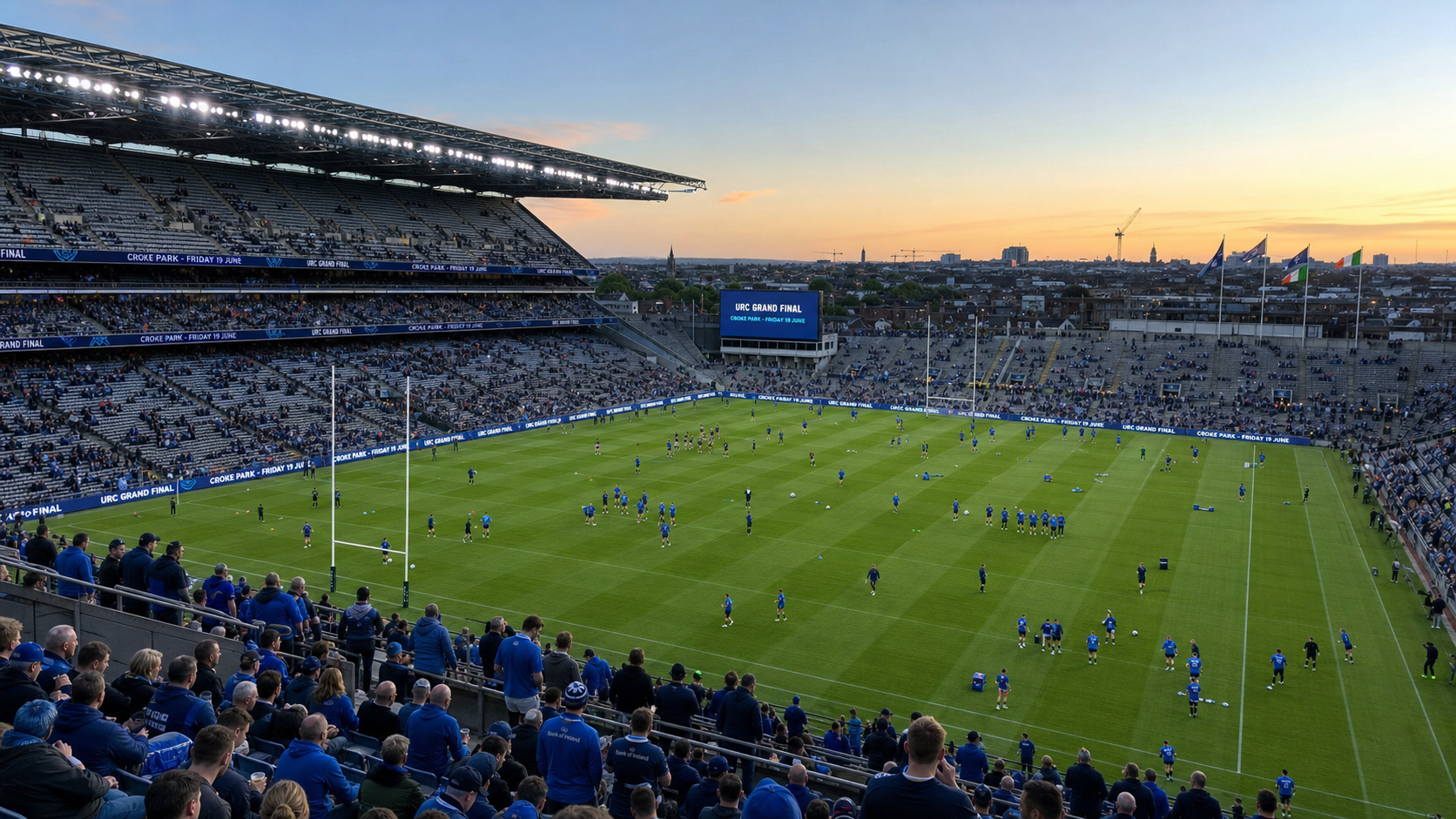
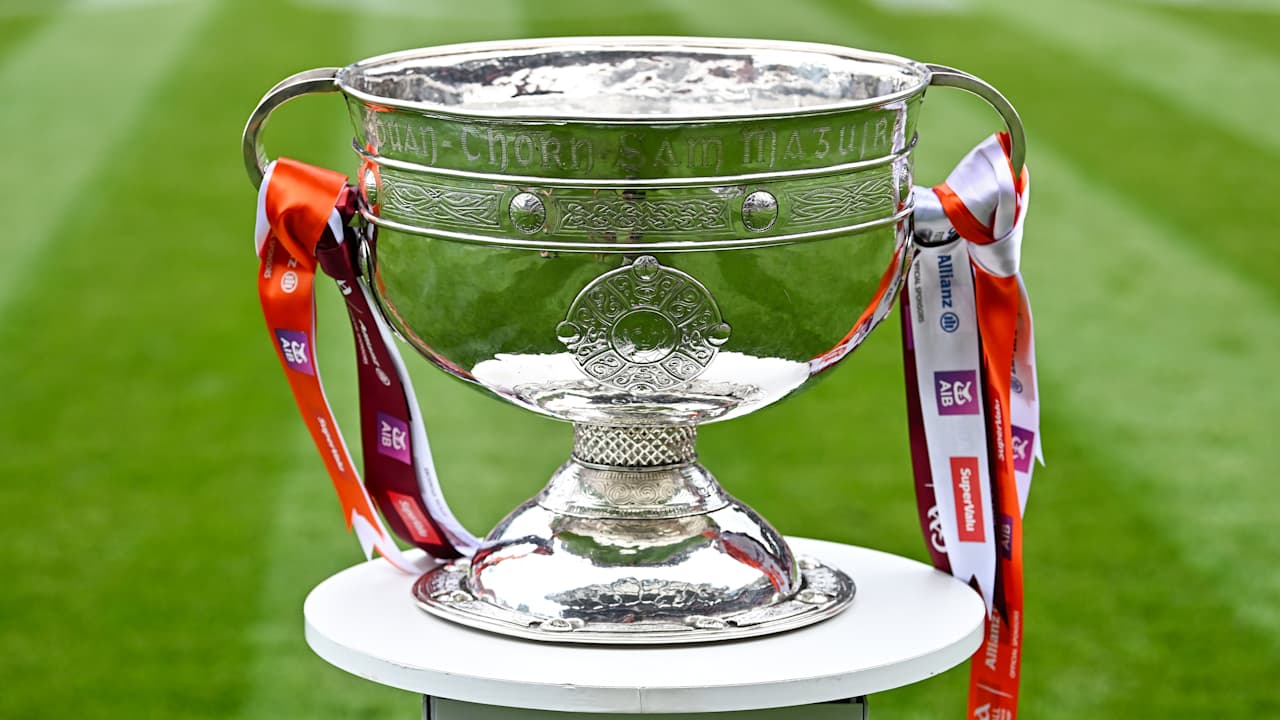
The GAA's 2026 All-Ireland Senior Football Championship will feature a new 16-team format approved by Annual Congress in 2025, replacing the previous round-robin structure with a modified double-elimination system designed to deliver more high-stakes knockout football. The final is scheduled for 26 July at Croke Park — and with the new format promising genuine jeopardy from the first round, the build-up has already generated considerable excitement across the island.
Background
The GAA has been reviewing its championship structures for several years, with the previous Super 8s round-robin format drawing sustained criticism for producing too many dead-rubber matches and failing to generate sufficient drama in the latter stages of the competition. The Super 8s, introduced in 2018, were intended to provide more high-quality football and reduce the number of one-sided provincial games, but critics argued they created a bloated middle section of the championship that diluted rather than intensified the competition. Annual Congress voted in 2025 to adopt the new 16-team model, which aims to ensure that every match carries genuine knockout significance from the outset.
The reform is part of a broader effort by the GAA to modernise its structures and respond to the changing demands of players, supporters, and broadcasters. Player welfare has been a growing concern, with inter-county footballers facing increasingly demanding schedules that combine club and county commitments across an extended season. The new format is designed to be more efficient without sacrificing the quality or drama that supporters expect from the All-Ireland series.
Key Developments
Qualification for the 16 spots is based on performance in provincial championships and the National Football League. The qualified teams include the four provincial champions, four beaten provincial finalists, the 2025 Tailteann Cup winner Kildare, and the next seven best-ranked teams from the 2026 National Football League. The modified double-elimination structure means teams have a second chance after a first defeat, but a second loss ends their championship — a format that rewards consistency while preserving the possibility of dramatic comebacks for teams that stumble early.
The new format has generated significant interest ahead of the provincial championships, with counties across Ireland preparing their squads for what promises to be a more intense and unpredictable competition. In a notable cross-community development, a DUP MP this week supported a Stormont motion acknowledging the GAA's integral role in the community — a gesture of recognition that would have been unthinkable in earlier decades and reflects the changing relationship between unionism and the GAA in Northern Ireland. Belfast is also preparing to host the All-Ireland Fleadh in 2026 and 2027, with organisers expecting continued growth in visitors from the Republic and the wider diaspora.
Armagh, reigning All-Ireland champions, are among the teams generating most pre-season interest, though their preparations were briefly disrupted when the squad arrived at Carton House to find it had been prepared for a Manchester United visit — a story that provided some light relief amid the serious business of championship preparation.
Why It Matters
The new championship format is the most significant structural change to Gaelic football's premier competition in years. For supporters across Ireland and the diaspora, it promises a more compelling and unpredictable championship, with the potential for major upsets and dramatic late-season twists that the round-robin format often failed to deliver. The format also has implications for player welfare: the double-elimination structure could extend the season for some counties, but the elimination of dead-rubber matches should reduce the overall burden on players who are not progressing deep into the competition. For the GAA as an organisation, the reform represents a willingness to adapt its most cherished competition in response to genuine feedback from its membership — a sign of institutional confidence and responsiveness that augurs well for the association's long-term health.
Local Impact
For GAA clubs and supporters in Belfast and across Northern Ireland, the new championship format is a source of genuine excitement. Ulster has produced some of the most competitive provincial football in recent years, with Armagh, Derry, Donegal, and Tyrone all capable of challenging for All-Ireland honours. The double-elimination structure means that Ulster teams who suffer an early defeat in the All-Ireland series will have a second chance to prove themselves — a provision that could be particularly significant for counties that have historically struggled to replicate their provincial form on the national stage. The All-Ireland Fleadh coming to Belfast in 2026 and 2027 adds a further dimension to the GAA's growing presence in the city, reinforcing the association's role as a cultural as well as sporting institution.
What's Next
Provincial championships are under way, with the All-Ireland series proper beginning in the summer. The final is scheduled for 26 July 2026 at Croke Park. Full details on the new format and fixtures are available via the GAA website and RTÉ Sport.