Féile an Phobail 2026 Launches in West Belfast with 1,000 Artists Across Hundreds of Events
Ireland's largest community arts festival has officially launched its 2026 programme, with Féile an Phobail set to bring over 1,000 artists to west Belfast across hundreds of events from 25 July to 9 August — a fortnight of cultural celebration that will coincide with the city's historic hosting of the Fleadh Cheoil na hÉireann, making August 2026 an extraordinary moment in Belfast's cultural life.
Background
Féile an Phobail — the Festival of the People — was born in the summer of 1988, in the immediate aftermath of one of the most violent periods of the Troubles. West Belfast was a community under siege, its streets patrolled by the British Army, its young people facing unemployment and the constant threat of violence. The festival was conceived as an act of cultural defiance — a declaration that the community's spirit, creativity, and identity could not be suppressed by conflict.
In the nearly four decades since its founding, Féile an Phobail has grown from a local community event into one of Ireland's most significant cultural festivals, attracting international artists, writers, musicians, and performers alongside the local talent that remains its heart. The festival has hosted figures including Noam Chomsky, Seamus Heaney, and Christy Moore, and has served as a platform for emerging Irish artists who have gone on to national and international careers.
The festival's roots in the Falls Road community remain central to its identity. Unlike many arts festivals that have become detached from their local communities as they have grown, Féile an Phobail has maintained a genuine grassroots character, with community organisations, schools, and local businesses deeply involved in its organisation and programming. The festival's ethos — that culture belongs to everyone, not just to those who can afford expensive tickets — is reflected in its commitment to free and low-cost events.
Key Developments
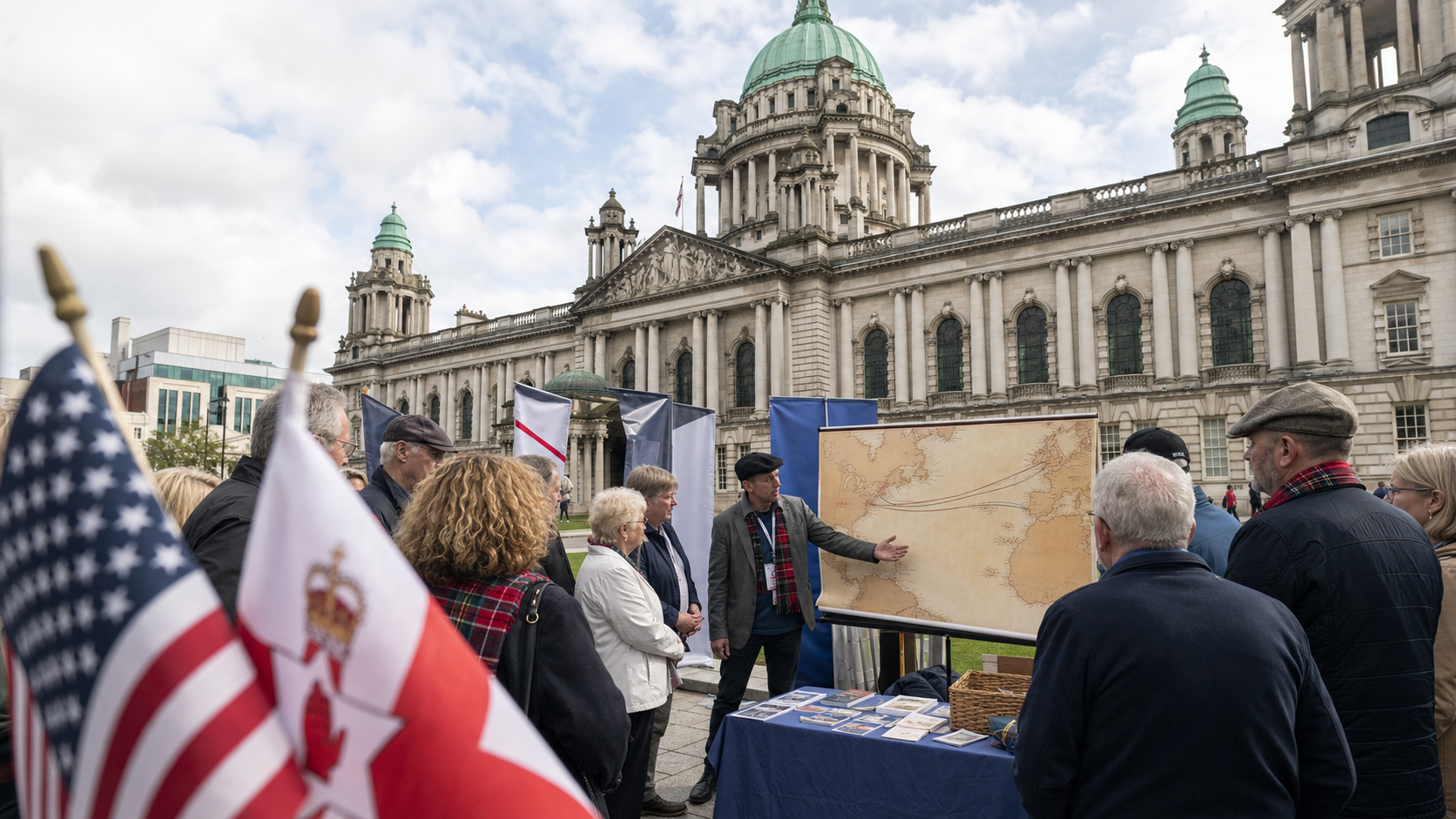
The 2026 programme was launched on 6 July at a ceremony in west Belfast attended by community leaders, artists, and elected representatives. Festival director Kevin Gamble described the event's ambition: 'Féile an Phobail provides a platform for expression and creativity, showcasing the best of our community to the world.' The 2026 programme features over 1,000 artists across hundreds of events, spanning theatre, music, literature, visual arts, film, and community celebration.
The festival runs from 25 July to 9 August, with the final week coinciding with the Fleadh Cheoil na hÉireann, which is also being held in Belfast. The overlap creates an extraordinary cultural convergence, with the city hosting two of Ireland's most significant cultural events simultaneously. Organisers have worked to ensure that the two festivals complement rather than compete with each other, with joint programming and cross-promotion planned.
This year's Féile programme includes a major new theatre production exploring the history of the Falls Road community, a series of literary events featuring prominent Irish writers, and a programme of traditional music sessions that will feed into the Fleadh atmosphere. The festival's céilí, held in the grounds of St Mary's University College on the Falls Road, is one of the most popular events in the programme and is expected to sell out quickly.
Why It Matters
Féile an Phobail's significance extends well beyond its cultural programming. The festival is a powerful statement about the resilience and creativity of a community that has experienced profound trauma and has chosen to respond with art rather than bitterness. In the context of the June 2026 civil unrest, which saw attacks on minority communities in several Northern Ireland towns, the festival's message of cultural openness and community solidarity carries particular resonance. The festival also has a significant economic dimension. A 2024 economic impact assessment estimated that Féile an Phobail generates over £3 million for the west Belfast economy each year, with the majority of spending concentrated in local businesses, restaurants, and accommodation providers. This year's programme, coinciding with the Fleadh, is expected to generate a significantly higher economic impact.
Local Impact
The practical impact of the festival on west Belfast is considerable. The Falls Road corridor, from the city centre to Andersonstown, is transformed during the festival fortnight, with outdoor stages, street performances, and community events bringing colour and energy to the area. Local businesses — cafés, restaurants, pubs, and shops — report significant increases in trade during the festival period, with many describing it as one of the most important weeks of their commercial year. The festival's youth programme, which involves hundreds of young people from west Belfast schools and community organisations in performance and creative workshops, provides opportunities that would otherwise be unavailable to many participants. The Culturlann McAdam Ó Fiaich on the Falls Road serves as the festival's cultural hub, hosting exhibitions, readings, and performances throughout the fortnight.
What's Next
Full programme details and ticketing information for Féile an Phobail 2026 will be published on the festival's website in the coming days. The festival opens on Saturday, 25 July, with a community parade and outdoor concert on the Falls Road. The literary programme, which includes events at the Culturlann and the Black Box in the Cathedral Quarter, will be announced separately. The festival's closing event on 9 August will coincide with the final day of the Fleadh Cheoil, creating a joint celebration that organisers hope will be a landmark moment in Belfast's cultural history.