Former PTSB Chief Wins Tracker Mortgage Appeal as Tribunal Finds Unfairness in Central Bank Inquiry
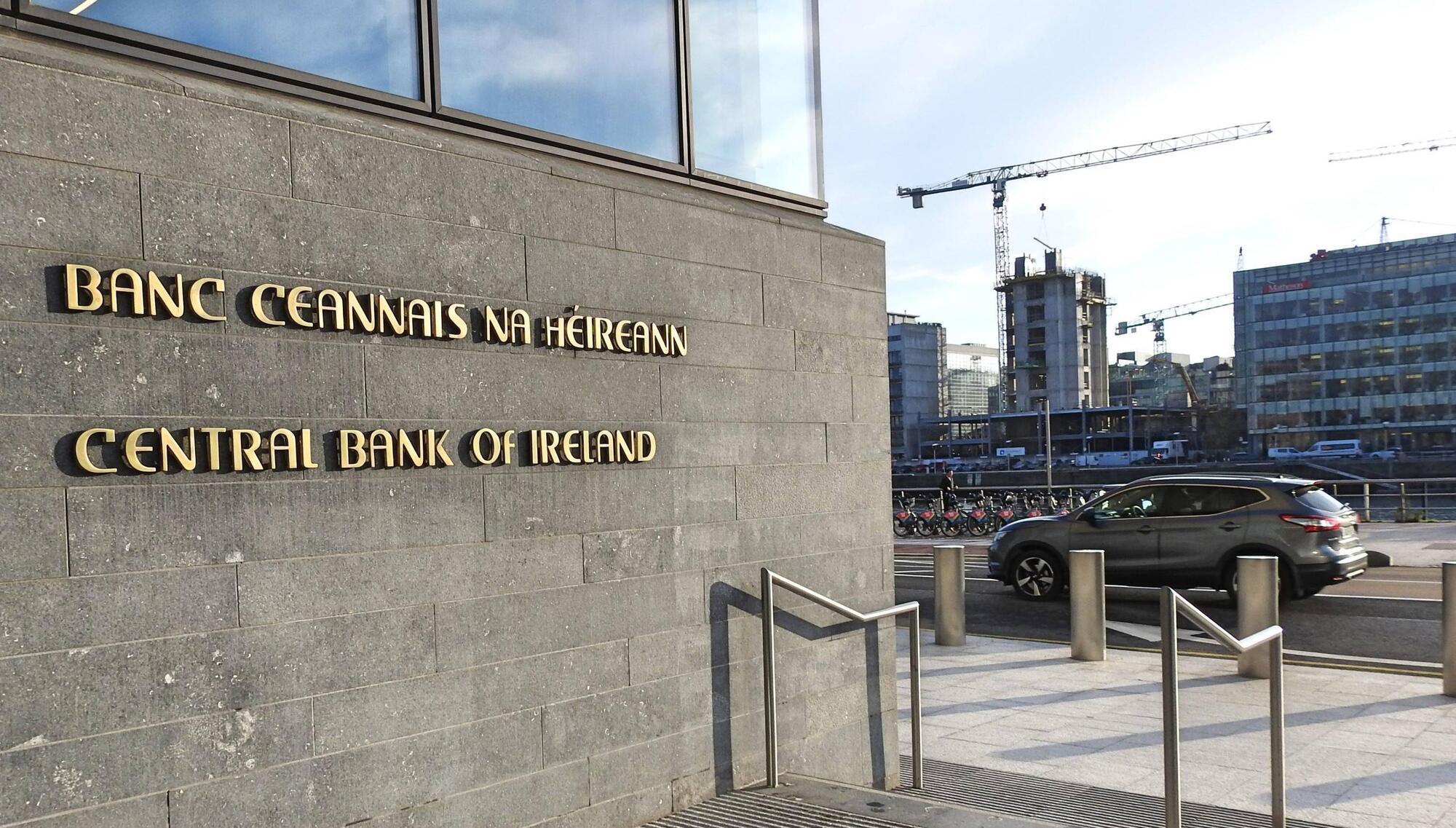
The Irish Financial Services Appeals Tribunal has overturned a Central Bank of Ireland decision to fine former Permanent TSB chief executive David Guinane €80,000 and issue him a reprimand over his role in the tracker mortgage scandal. The tribunal, chaired by former Supreme Court judge John MacMenamin, found there was a level of unfairness in how the Central Bank inquiry had proceeded, though it noted that the primary findings regarding the events of the scandal would remain unchanged. The ruling does not affect the broader tracker mortgage examination or the compensation paid to affected customers.
Background
The tracker mortgage scandal was one of the most damaging episodes in the history of Irish banking, involving lenders — including Permanent TSB, AIB, Bank of Ireland, Ulster Bank, and KBC — failing to ensure that customers were on the correct interest rates. Thousands of mortgage holders who had moved from tracker rates to fixed rates were denied their contractual right to return to a tracker when the fixed-rate period ended, resulting in significant overcharging that in some cases led to mortgage arrears, repossession proceedings, and severe financial hardship.
The Central Bank of Ireland conducted a major examination of the scandal, which resulted in the payment of approximately €700 million in redress and compensation to around 40,000 affected customers across the industry. PTSB identified 1,983 mortgage accounts entitled to redress and compensation as part of the examination, paying out approximately €55 million by 2019. The bank has maintained that 99 per cent of those customers have received their entitlements.
David Guinane served as chief executive of PTSB during the period in question. The Central Bank inquiry found that he had participated in a failure by the bank in 2009 to act in the best interests of its customers regarding the treatment of customers who moved from a tracker rate to a fixed rate and subsequently sought to return to a tracker. The inquiry explicitly stated there was no finding of dishonesty against Guinane and that he did not intend to harm or take advantage of customers.
Key Developments
The Irish Financial Services Appeals Tribunal published its ruling on 17 September 2026, overturning the Central Bank's decision to fine Guinane €80,000 and issue him a reprimand. The tribunal found that there was a level of unfairness in how the inquiry had proceeded — specifically in relation to the process by which Guinane was given the opportunity to respond to the findings against him — though it emphasised that the primary factual findings regarding the events of the scandal would remain unchanged.
The ruling does not constitute a finding that Guinane acted properly or that the bank's treatment of tracker mortgage customers was acceptable. Rather, it is a procedural ruling that the process by which the sanction was imposed did not meet the required standard of fairness. The Central Bank has indicated it is considering its response to the tribunal's ruling.
Separately, PTSB has been pursuing the dismissal of a small number of "dormant" tracker mortgage cases in the High Court, relying on a May 2025 Supreme Court judgment that reformed the rules for dismissing legal cases due to inactivity. The bank has argued that these cases involve customers who were not deemed eligible for redress under the industry-wide compensation scheme.
Why It Matters
The tribunal ruling is a reminder that the tracker mortgage scandal — despite the payment of hundreds of millions of euro in compensation — has not been fully resolved. The procedural finding against the Central Bank inquiry process raises questions about the robustness of the regulatory enforcement framework, and will be scrutinised carefully by legal practitioners and consumer advocates. For the thousands of customers who were affected by the scandal, the ruling may feel like a further injustice — a sense that the system continues to find ways to protect those in positions of power. The Central Bank's response to the ruling will be closely watched: if it decides not to pursue the matter further, it will face criticism for failing to hold senior bankers accountable; if it seeks to re-run the inquiry process, it will face questions about the cost and proportionality of doing so.
Local Impact
The tracker mortgage scandal affected customers across Ireland, from Dublin and Cork to smaller towns and rural areas. Many of those affected have spent years pursuing redress through the courts and through the Financial Services and Pensions Ombudsman, and the tribunal ruling has been met with frustration by consumer advocacy groups including the Tracker Mortgage Examination Steering Group and the Irish Mortgage Holders Organisation. The Free Legal Advice Centres (FLAC) has called on the Central Bank to publish a detailed response to the tribunal ruling, including its assessment of whether the inquiry process needs to be reformed to prevent similar procedural challenges in future enforcement cases.
What's Next
The Central Bank of Ireland is expected to publish a formal response to the tribunal ruling within the coming weeks, setting out its assessment of the implications and any steps it intends to take. The High Court cases involving dormant tracker mortgage claims are expected to be heard in the autumn of 2026, with judgments anticipated before the end of the year. The Oireachtas Finance Committee is expected to invite the Central Bank to appear before it to discuss the tribunal ruling and its implications for the regulatory enforcement framework.