Fleadh Cheoil's Cultural Heartbeat: Why Belfast's Historic Hosting Matters for Irish Music
As Fleadh Cheoil na hÉireann opens in Belfast for the first time in its 75-year history, musicians, cultural commentators, and community leaders are reflecting on what the festival's arrival in the city means — not just for the immediate economic and social impact, but for the long-term future of Irish traditional music and for the role that shared cultural heritage can play in building a more cohesive society across the island of Ireland.
Background
Fleadh Cheoil na hÉireann was founded in 1951 by Comhaltas Ceoltóirí Éireann, the organisation established to promote Irish traditional music, song, and dance. In the seven decades since its foundation, the Fleadh has grown from a modest gathering of traditional musicians into the world's largest celebration of Irish culture, attracting hundreds of thousands of visitors to whichever town or city is fortunate enough to host it.
The festival's relationship with Northern Ireland has been complicated by the political history of the island. Irish traditional music, with its roots in the Gaelic cultural tradition and its associations with Irish nationalism, was not always welcomed in the north, and the Fleadh's presence in Northern Ireland has been relatively limited. The 2013 hosting in Derry was a significant moment — the first time the festival had been held in the north since the 1950s — and its success helped to establish the template for how the Fleadh could work in a northern context.
Belfast's selection as the 2026 host was a more ambitious step. As the largest city in Northern Ireland and the seat of the devolved government, Belfast carries a symbolic weight that Derry, for all its cultural richness, does not. Hosting the Fleadh in Belfast is a statement about the city's relationship with Irish cultural expression and about the progress that has been made in creating a more inclusive and confident civic identity.
Key Developments
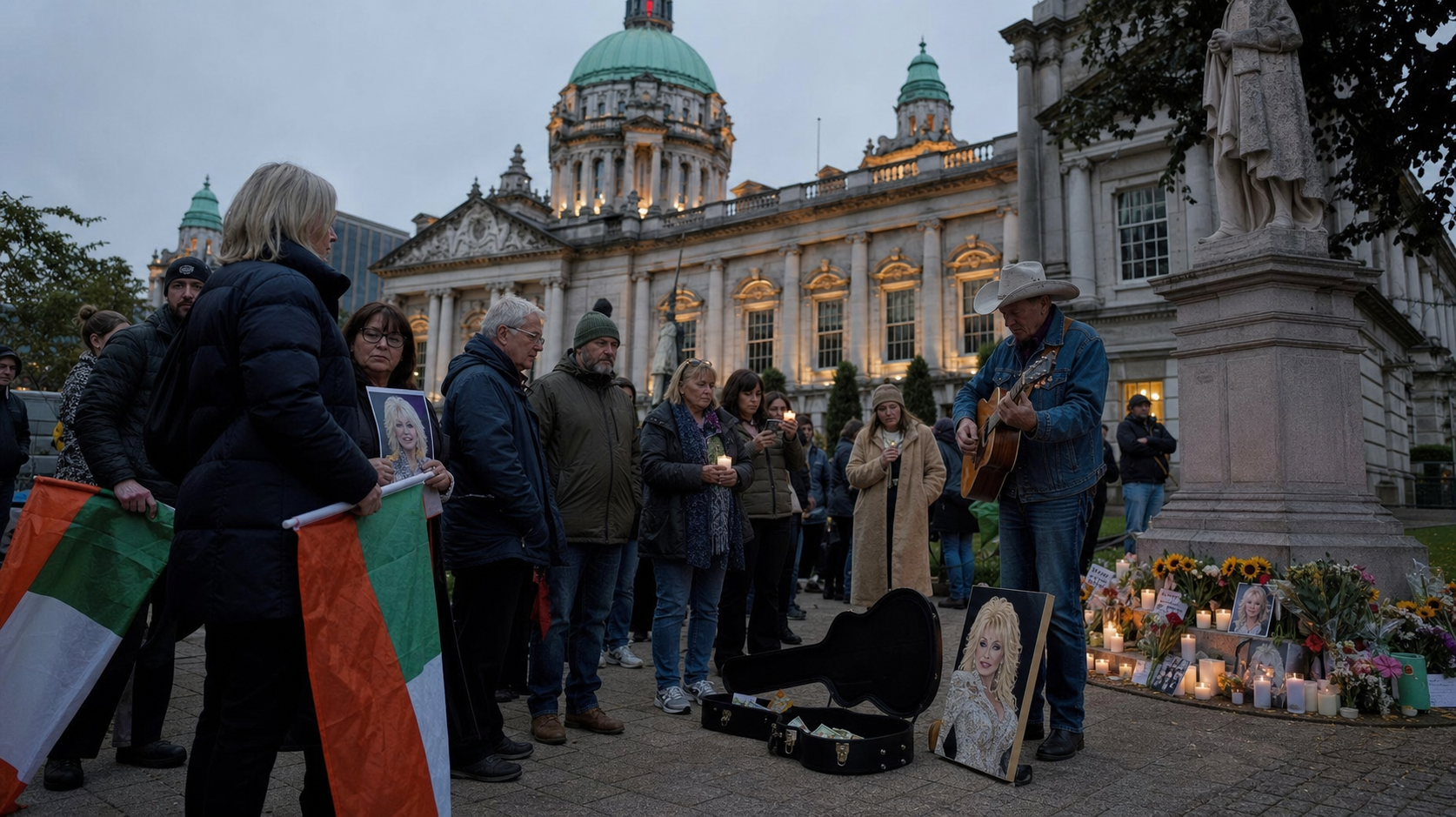
The opening ceremony at City Hall on Sunday brought together figures who would not have shared a platform in this context even a decade ago. President Catherine Connolly, First Minister Michelle O'Neill, Deputy First Minister Emma Little-Pengelly, and Secretary of State Sir Chris Bryant all attended, their presence a measure of how much the political landscape has changed and of how much shared cultural space has been created in the years since the Good Friday Agreement.
The musical programme for the eight-day festival is extensive, encompassing competitions across all traditional music disciplines, céilí dancing, singing, and storytelling, as well as a series of concerts and informal sessions that will take place in venues across the city. The competition finals, which are the centrepiece of the Fleadh for serious traditional musicians, will see competitors from across Ireland and from the Irish diaspora in Britain, North America, and Australia competing for the title of All-Ireland champion in their respective disciplines.
The festival's organisers have made a particular effort to ensure that the programme reflects the diversity of Belfast's contemporary cultural landscape, with events that draw on the city's multiple traditions and that are designed to be accessible to people who may not have a prior connection to Irish traditional music. The "Sharing Traditions" showcase at the opening ceremony, which brought together Irish dancers, Highland pipers, and performers from the South Asian Dance Academy, was a deliberate expression of that inclusive approach.
Why It Matters
The Fleadh's arrival in Belfast matters for Irish traditional music because it brings the art form into contact with a new audience and a new set of cultural contexts. Traditional music has always been a living tradition — one that absorbs influences and adapts to new environments while maintaining its essential character — and the Belfast hosting provides an opportunity for that process of adaptation and renewal to take place in one of the most culturally complex cities in these islands.
For the musicians who will compete and perform over the eight days of the festival, Belfast offers something that previous host towns have not: the experience of playing in a city where the relationship between Irish cultural expression and the broader civic identity is still being negotiated. That negotiation is not always comfortable, but it is generative, and the music that emerges from it is likely to be richer for the encounter.
The Fleadh also matters for Belfast itself. The city has been working to develop its cultural infrastructure and its reputation as a destination for cultural tourism, and the hosting of the world's largest Irish cultural festival is a significant addition to that portfolio. The economic impact — 800,000 visitors over eight days — is substantial, but the longer-term reputational benefit may be even more significant.
Local Impact
In the Cathedral Quarter, the Gaeltacht Quarter, and the other areas of Belfast where the Fleadh's events are concentrated, the festival has already transformed the character of the city. Streets that are normally quiet on a Sunday afternoon were filled with music, conversation, and the particular energy that the Fleadh generates wherever it goes. Local musicians who have spent years playing in sessions in Belfast's pubs and community centres are finding themselves performing alongside some of the finest traditional musicians in the world, an experience that is both humbling and inspiring.
What's Next
The Fleadh runs until Sunday 9 August, with the competition finals and the closing concert the highlights of the final days. Comhaltas will announce the host city for the 2027 Fleadh in the coming months, with several towns and cities understood to be in contention. Whatever the outcome of that decision, the Belfast hosting of 2026 will be remembered as a landmark moment in the history of Irish traditional music and in the cultural life of the city.