Flahavan's Workers Win Pay Rises of Up to 21.5% as Waterford Dispute Reaches Triumphant Conclusion
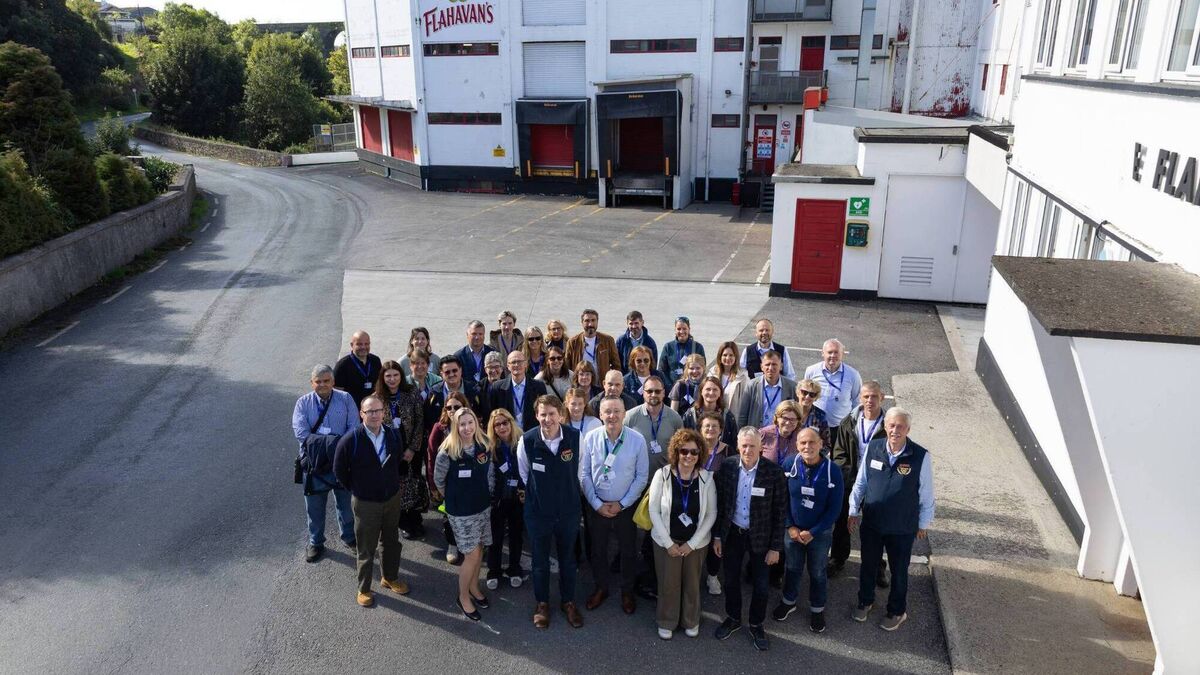
Workers at the Flahavan's oat production facility in Kilmacthomas, Co Waterford, have secured pay increases of between 13% and 21.5% following months of industrial tension, with the Unite trade union declaring the outcome a decisive victory for collective bargaining and worker solidarity. The deal, covering approximately 90 employees at the iconic Irish porridge brand, is backdated to 1 January 2026 and will remain in place until 30 June 2027.
Background
Flahavan's has been a fixture of Irish breakfast tables for over two centuries, with the Kilmacthomas mill producing oats that have become synonymous with Irish morning culture. The company, owned by Finegrove Holdings Limited, reported a turnover of €38 million for the year ending June 2025, though operating profits had declined to €422,829 — a figure that formed part of the backdrop to the pay dispute that erupted in the summer of 2026.
The Unite union, which represents the majority of the plant's workforce, had been in negotiations with management over a new pay agreement when the dispute took a sharp turn in August 2026. Workers voted unanimously to ballot for industrial action after the company attempted to link any pay increase to a flexibility arrangement that had neither been seen nor negotiated by the union. The move was characterised by Unite as an attempt to extract concessions under the guise of a pay deal — a tactic the workforce rejected outright.
The threat of strike action at one of Ireland's most beloved food brands sent shockwaves through the industry. Flahavan's, which exports to markets across Europe and North America, faced the prospect of significant reputational and operational damage if production was disrupted during the critical autumn and winter period, when demand for porridge peaks.
Key Developments
Following the ballot result, the company agreed to decouple the pay deal from the flexibility policy — a concession that Unite regional officer Eoin Drummey described as a complete vindication of the members' position. Negotiations resumed in earnest, and by late September 2026 a comprehensive agreement had been reached.
Under the terms of the deal, bakery packers secured a 13% parity increase, while bakery processors — whose roles carry greater technical demands — received a 21.5% parity uplift. All workers additionally received a 3.5% general pay increase, backdated to 1 January 2026. The agreement runs until 30 June 2027, providing a period of stability for both the workforce and management.
Drummey said the outcome demonstrated what workers could achieve when they stood together. "Our members were clear from the outset that they would not accept a pay deal that came with strings attached," he said. "The company has now recognised the value of its workforce, and these increases reflect the contribution these workers make every single day to one of Ireland's most iconic brands."
Workers expressed relief and satisfaction at the outcome, with several noting that the increases would make a meaningful difference to household budgets at a time when the cost of living remains elevated across the country.
Why It Matters
The Flahavan's settlement carries significance well beyond the gates of the Kilmacthomas mill. It arrives at a moment when workers across Ireland are pushing back against the erosion of real wages, and it demonstrates that even in a relatively small regional facility, collective action can deliver substantial results. The 21.5% increase for bakery processors is among the largest single-round pay rises secured in the Irish food manufacturing sector in recent years.
The dispute also highlighted a broader tension in Irish industrial relations: the tendency of some employers to bundle pay increases with unilateral changes to working conditions. The Unite union's insistence on separating the two issues — and its willingness to ballot for strike action to enforce that position — sets a precedent that other unions and workforces will note carefully. For workers in the food and beverage sector, where margins are tight and employer leverage is often significant, the Flahavan's outcome offers a template for effective negotiation.
The settlement also reflects the enduring strength of the Flahavan's brand as a lever for workers. A strike at a company so closely associated with Irish identity and heritage would have attracted considerable public attention, and management clearly calculated that the reputational cost of prolonged industrial action outweighed the financial cost of a generous settlement.
Local Impact
Kilmacthomas is a small town in west Waterford, and the Flahavan's plant is one of its most significant employers. The pay increases will circulate through the local economy, benefiting businesses in the town and the surrounding area. For workers who commute from Dungarvan, Carrick-on-Suir, and other nearby towns, the backdated element of the deal provides an immediate financial boost.
The settlement also removes the cloud of uncertainty that had hung over the plant since August, when the ballot for industrial action was announced. Local community groups and businesses had expressed concern about the potential impact of a strike on the town's economy, and the resolution has been welcomed across the board. The Flahavan's mill, which has operated on the same site for generations, remains a source of considerable local pride.
What's Next
The agreement runs until 30 June 2027, at which point both parties will return to the negotiating table. Unite has indicated that it will seek to build on the gains secured in this round, and the union's regional office has signalled that it will monitor compliance with the flexibility policy commitment closely. Workers have expressed a willingness to engage in future discussions about working arrangements, provided those discussions are conducted transparently and in good faith. The company, for its part, has indicated that it views the settlement as a foundation for a more stable industrial relations environment at the Kilmacthomas facility.