First-Time Buyer Mortgage Loans Hit 18-Year High as Irish Property Demand Remains Intense
The volume of mortgage loans issued to first-time buyers in Ireland has reached its highest level in 18 years, a striking data point that illuminates the intensity of demand for home ownership in a market that continues to be defined by chronic supply shortages and persistently high prices. The figures, reported by the Irish Times on June 11, reveal that despite the financial challenges of the current environment — high interest rates, elevated house prices, and the cost-of-living pressures that have squeezed household budgets — the desire to own a home remains as strong as ever among Irish people, and that a significant number are finding ways to make it happen.
Background
Ireland's housing market has been one of the most discussed and debated topics in public life for the past decade. The combination of rapid population growth, insufficient new housing supply, and the legacy of the post-2008 construction collapse has produced a market in which house prices in Dublin and other major cities are among the highest in Europe relative to average incomes. The housing crisis has been a central issue in successive general elections and has driven significant policy innovation, from the Help to Buy scheme to the Land Development Agency and the various social housing programmes.
The mortgage market is a key indicator of the health of the housing market and the broader economy. When mortgage lending is high, it reflects both the demand for home ownership and the willingness of lenders to extend credit — a combination that requires borrowers to have stable employment, adequate income, and sufficient savings for a deposit. The fact that first-time buyer mortgage lending has reached an 18-year high therefore tells us something important about the state of the Irish economy as well as the housing market.
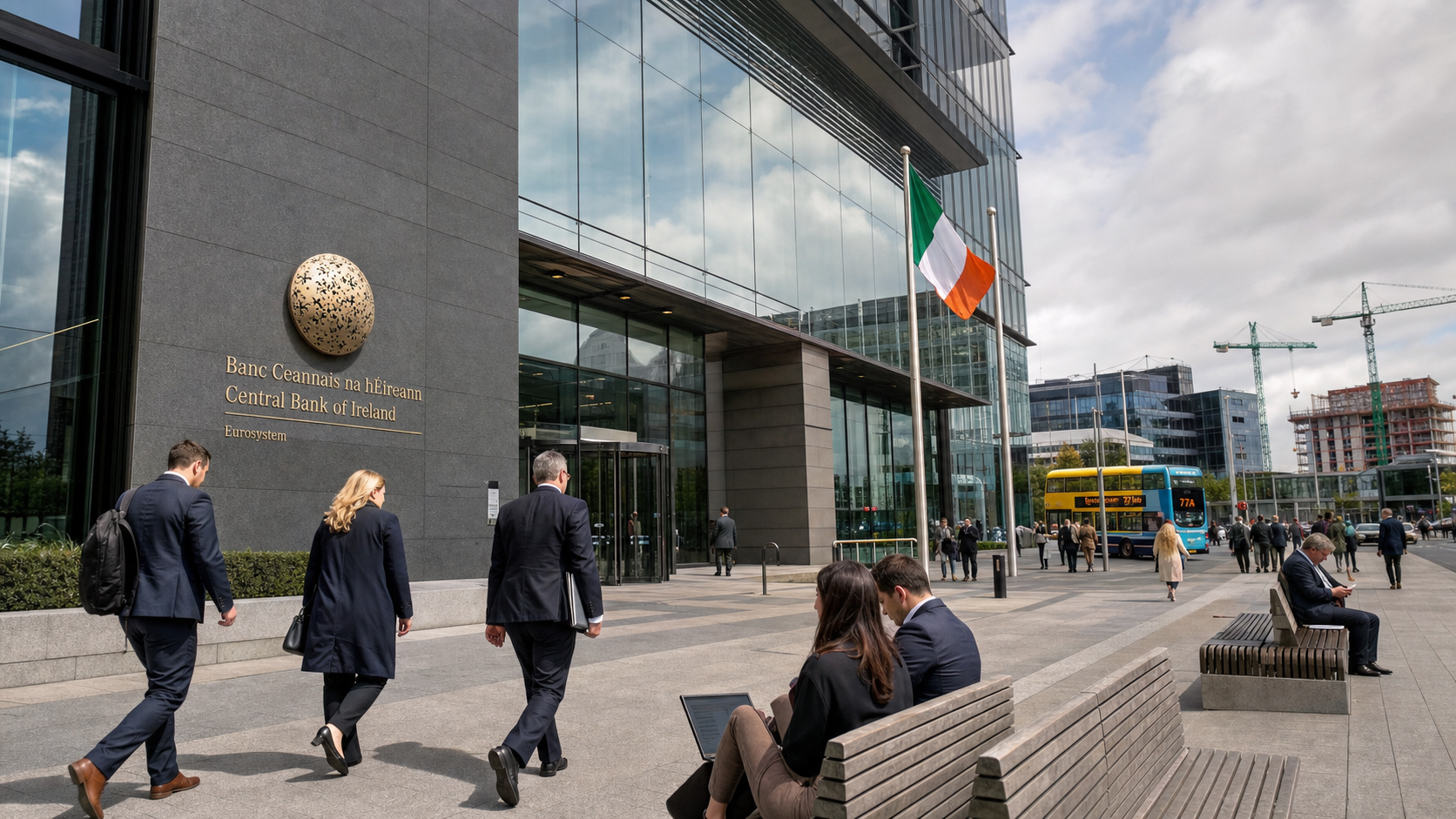
The 18-year comparison is significant because it places the current level of mortgage lending in the context of the pre-crash boom years of the mid-2000s, when lending standards were far more lax and the housing market was in the grip of a speculative bubble. The current high level of lending is occurring in a very different regulatory environment, with the Central Bank of Ireland's mortgage lending rules — which cap the loan-to-income and loan-to-value ratios available to borrowers — providing a structural safeguard against the kind of reckless lending that contributed to the 2008 crash.
Key Developments
The Irish Times reported on June 11 that the volume of mortgage loans to first-time buyers had reached its highest level since 2008, citing data from the Banking and Payments Federation Ireland. The figures cover the first quarter of 2026 and show a significant year-on-year increase in both the number of loans and the total value of lending. The average loan size has also increased, reflecting the continued rise in house prices across most of the country.
The data shows that the Help to Buy scheme — which provides a tax rebate of up to €30,000 to first-time buyers of new homes — continues to be a significant driver of activity in the new homes market. The scheme has been extended and expanded several times since its introduction, and its continued popularity reflects the difficulty that first-time buyers face in accumulating a sufficient deposit in a market where house prices are rising faster than savings rates.
The First Home Scheme, which allows the government and participating lenders to take an equity stake in a property to bridge the gap between what a buyer can afford and the market price, has also been contributing to the increase in first-time buyer activity. The scheme has been particularly active in Dublin and the commuter counties, where the gap between affordability and market prices is most acute.
Why It Matters
The 18-year high in first-time buyer mortgage lending matters because it reflects the fundamental strength of demand for home ownership in Ireland, even in a challenging financial environment. It suggests that the government's various demand-side supports — Help to Buy, First Home Scheme, the Local Authority Home Loan — are having a measurable impact on the ability of first-time buyers to access the market.
However, the high level of mortgage lending also raises questions about affordability and financial risk. The Central Bank's lending rules are designed to ensure that borrowers do not take on more debt than they can service, but the combination of high house prices and high interest rates means that many first-time buyers are stretching their finances to the limit. Any significant increase in unemployment or interest rates could put pressure on households that are already at the edge of their affordability limits.
The data also highlights the continued imbalance between demand and supply in the Irish housing market. The fact that first-time buyer lending is at an 18-year high does not mean that the housing crisis is being resolved — it means that those who can access the market are doing so in large numbers, while those who cannot are being left further behind. The supply-side constraints that are the root cause of the crisis remain largely unaddressed.
Local Impact
The impact of the mortgage lending data is felt most directly in the areas where first-time buyer activity is most concentrated. In Dublin, the commuter counties of Kildare, Meath, Wicklow, and Louth, and in the major regional cities of Cork, Galway, and Limerick, first-time buyers are competing intensely for a limited supply of new and second-hand homes. The high level of mortgage lending reflects this competition and the willingness of buyers to commit significant financial resources to securing a home.
In rural areas, the picture is different. First-time buyer activity is lower in absolute terms, but the relative affordability of rural housing means that the financial stretch required is less extreme. The government's rural housing initiatives — including the Croí Cónaithe scheme, which provides grants for the renovation of vacant rural properties — have been contributing to activity in some rural areas, though the overall impact on supply remains limited.
What's Next
The Banking and Payments Federation Ireland will publish its next quarterly mortgage market report in September, providing an updated picture of lending activity through the summer months. The government is expected to announce further housing measures in the October budget, with the Help to Buy scheme and the First Home Scheme both under review. The Central Bank of Ireland is also conducting a review of its mortgage lending rules, with a consultation paper expected later in 2026.