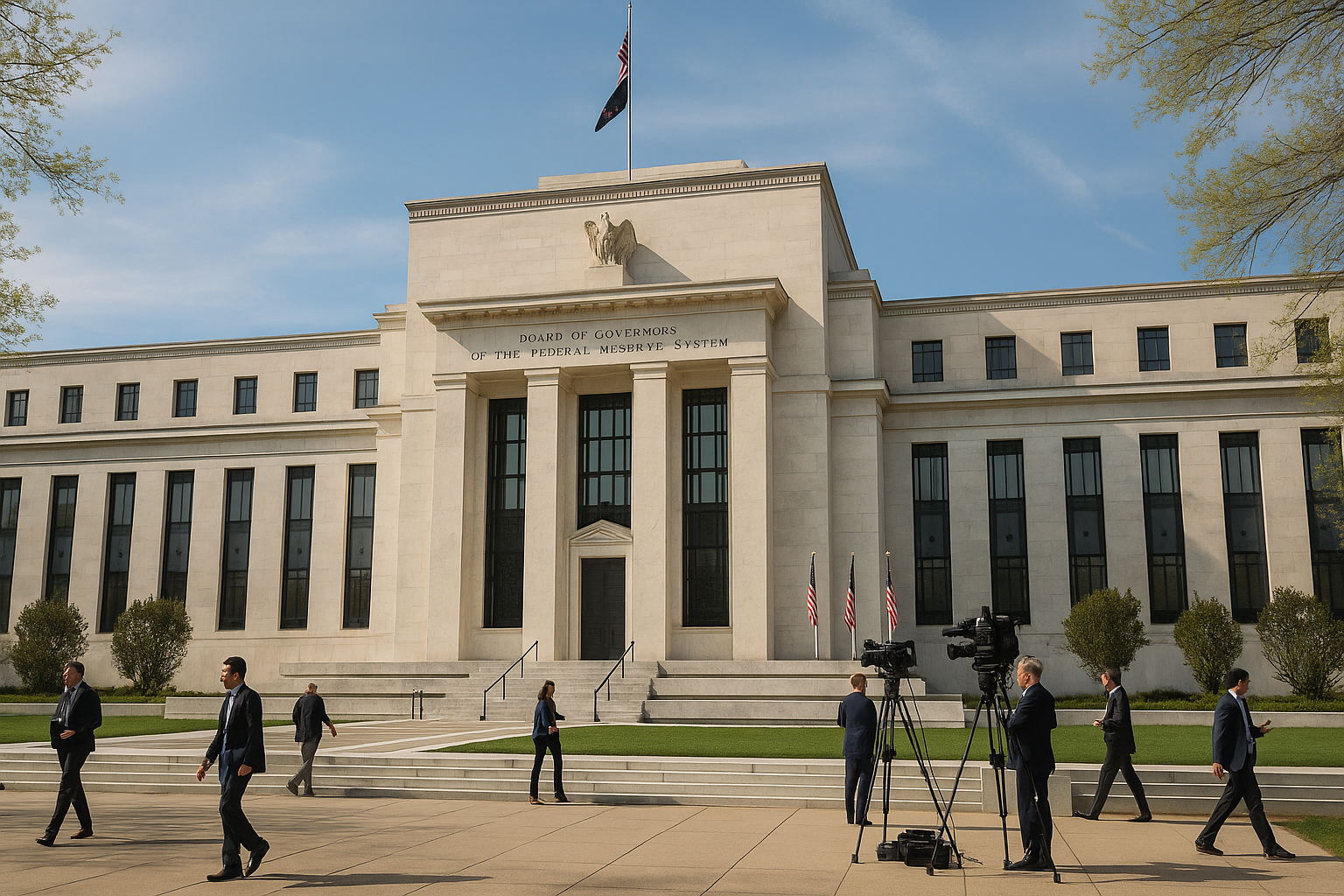
Federal Reserve Set to Hold Rates Steady at April 28-29 Meeting as Inflation Concerns Persist
The Federal Reserve is expected to leave interest rates unchanged when its Federal Open Market Committee convenes on April 28-29, 2026, as policymakers navigate a complex economic landscape marked by re-emerging inflation pressures and a stronger-than-anticipated labour market.
Background
The Fed has maintained its benchmark federal funds rate at its current level for several consecutive meetings, having paused its rate-cutting cycle earlier in 2026 after inflation proved stickier than forecast. The central bank's dual mandate — maximum employment and price stability — has been complicated by a surge in global energy prices tied to the ongoing Middle East conflict, which has reignited consumer price pressures across the United States.
Key Developments
The March 2026 Consumer Price Index showed inflation running at 3.3% year-over-year, well above the Fed's 2% target, with a month-over-month increase of 0.9%. Brent crude oil prices have risen more than 55% since the start of the Iran conflict, feeding through to gasoline, transportation, and manufacturing costs. Meanwhile, the March jobs report showed non-farm payrolls increasing by 178,000, a figure that exceeded analyst expectations and underscored the continued resilience of the US labour market.
Consumer confidence, however, has taken a hit. The April 2026 Consumer Confidence Index fell to 49.8 points from 53.3 the prior month, reflecting growing household anxiety about the cost of living. Real GDP growth slowed to an annualised rate of just 0.5% in the fourth quarter of 2025, raising concerns about stagflation — a combination of slow growth and elevated inflation that limits the Fed's policy options.
In a notable development, the Department of Justice has dropped its criminal investigation into current Fed Chair Jerome Powell, removing a cloud of uncertainty that had hung over the institution. Powell is expected to hold a press conference following the April 29 rate decision, where markets will scrutinise his language for any hints of future cuts or hikes.
Why It Matters
The Fed's decision carries enormous consequences for American households and businesses. Mortgage rates, credit card interest, and business borrowing costs are all tied to the central bank's benchmark rate. With the unemployment rate at 4.3% and inflation still elevated, the Fed faces a difficult balancing act: cutting rates risks stoking further price increases, while holding or raising rates could dampen economic growth and employment.
Markets are pricing in a near-zero probability of a rate cut at the April meeting, with most analysts pushing their expectations for the first cut to late 2026 at the earliest. The Fed's updated economic projections and dot plot, released at the meeting, will provide fresh insight into where policymakers see rates heading over the next two years.
What's Next
The FOMC statement and Chair Powell's press conference on April 29 will be the focal point for financial markets. Investors will be watching for any shift in the Fed's assessment of inflation risks and any guidance on the conditions that would need to be met before rate cuts resume. The next major data point will be the April jobs report, due in early May.
Sources: CNBC; Trading Economics