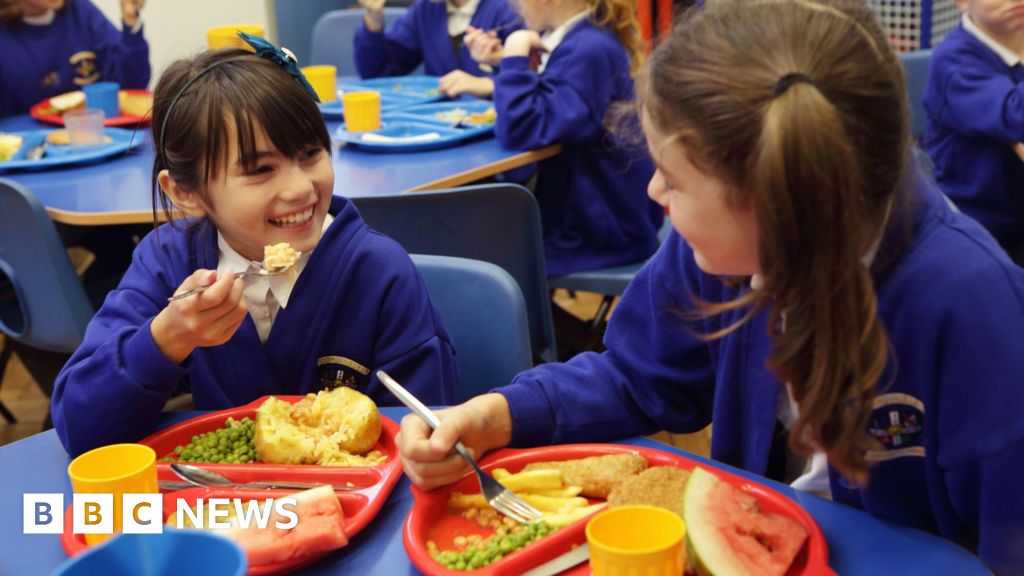
England's School Dinners Get First Overhaul in a Decade as Fried Food Ban Announced
Millions of children across England are set to benefit from a comprehensive overhaul of school dinner standards — the first in over a decade — as the government announces plans to ban daily servings of deep-fried food and sugary treats, and limit "grab-and-go" options like pizza and sausage rolls.
The new standards, which aim to "kickstart a transformation of school food" and improve child health, will see fruit become the primary dessert offering and require schools to publish their menus, giving parents greater visibility over what their children are eating.
Background
School food standards in England have not been comprehensively updated for over a decade, despite growing evidence of the link between diet and educational attainment, mental health, and long-term health outcomes. Childhood obesity rates in England remain a significant public health concern, with the government under pressure to take more decisive action to improve children's diets.
Key Developments
The new standards will ban the daily serving of deep-fried foods such as nuggets and chips, and limit the availability of "grab-and-go" options like pizza and sausage rolls. Steamed sponges and other high-sugar desserts will also be restricted, with fruit becoming the primary dessert offering. Schools will be required to publish their menus, giving parents greater transparency. The changes represent the most significant reform of school food standards since the Jamie Oliver-inspired reforms of the mid-2000s.
In related positive news for households, the UK's National Energy System Operator (NESO) has announced a summer programme that will allow electricity companies to offer incentives to customers with smart meters, including periods of free or cheaper electricity during off-peak times when surplus energy is available on the grid. According to The Guardian, the school food overhaul is expected to benefit millions of children across England.
Why It Matters
Improving school food standards is one of the most direct ways the government can influence children's health and wellbeing. Research consistently shows that children who eat healthier lunches perform better academically, have better concentration, and are less likely to develop obesity and related health conditions in later life.
What's Next
The new standards will be subject to a consultation period before being implemented. Schools will be given time to adapt their menus and catering arrangements to meet the new requirements. The government has indicated that it will provide support and guidance to schools to help them make the transition.