Elgin Acquires 200MW Blackhall Solar Farm in Meath for €200m as Ireland Races Toward 80% Renewable Target
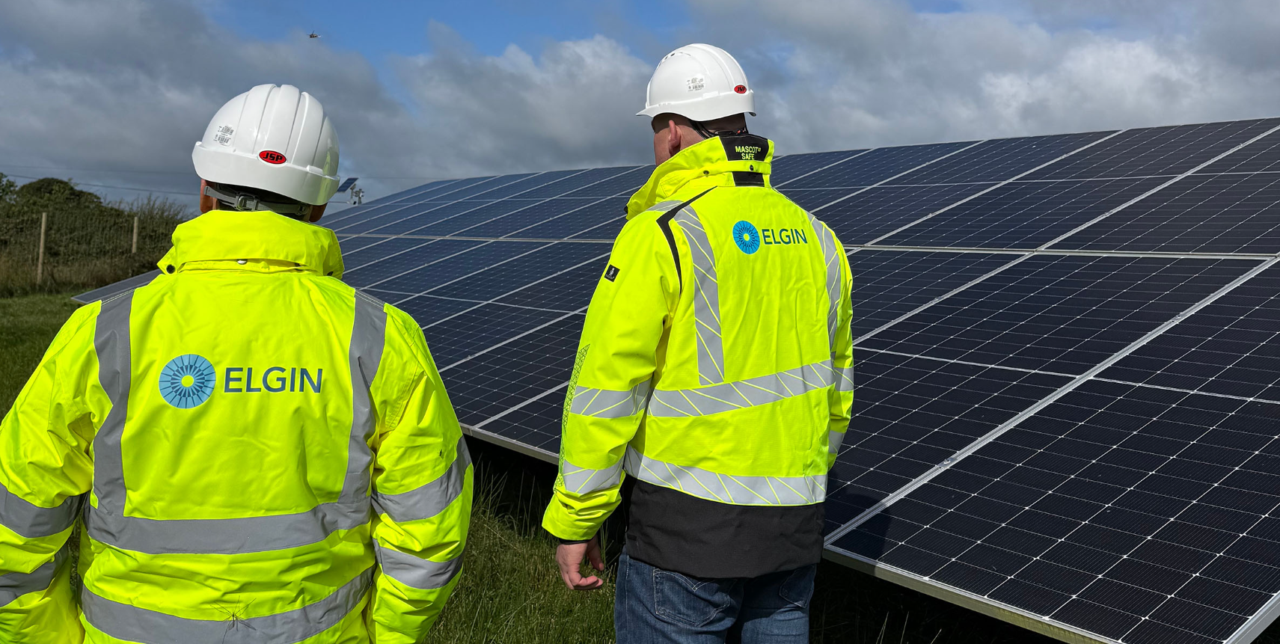
Independent power producer Elgin has confirmed the acquisition of the Blackhall Solar Farm project in County Meath from German energy firm GP Joule for €200 million, with the 200-megawatt facility — which already has planning consent and grid connection agreements in place — expected to participate in Ireland's sixth Renewable Electricity Support Scheme auction at the end of October.
Background
Ireland's renewable energy transition is one of the most ambitious in Europe. The Government has committed to generating 80% of the country's electricity from renewable sources by 2030, a target that requires the addition of thousands of megawatts of new renewable capacity over the next four years. Solar power, which was a relatively minor contributor to Ireland's energy mix until recently, has emerged as one of the fastest-growing components of the renewable portfolio, driven by falling technology costs, improving grid infrastructure, and the availability of large areas of suitable land in the midlands and east of the country.
The Renewable Electricity Support Scheme, which provides long-term price guarantees to renewable energy projects through competitive auctions, has been the primary mechanism for driving investment in new renewable capacity. The sixth RESS auction, scheduled for the end of October 2026, is expected to be the largest to date, with a significant volume of solar, wind, and battery storage projects competing for contracts. Projects that secure RESS contracts receive a guaranteed price for their electricity over a fifteen-year period, providing the revenue certainty needed to attract the investment required for construction.
Elgin, an independent power producer with a growing portfolio of solar and battery storage projects in Britain and Ireland, has been expanding its Irish presence in recent years. The company recently secured approximately €600 million in financing for solar and battery storage projects in Britain, and the Blackhall acquisition represents a significant addition to its Irish assets.
Key Developments
The Blackhall Solar Farm project, located in County Meath, is described as being in the "late stage" of development, having already secured the necessary planning consents and grid connection agreements. This means that Elgin can move directly to the construction phase once a RESS contract is secured, without the delays and uncertainties associated with the planning and grid connection processes that have slowed many other renewable energy projects in Ireland.
Elgin's chief executive, Dermot Kelleher, described the acquisition as a significant addition to the company's Irish assets. "The Blackhall project will contribute to Ireland's decarbonisation goals, energy security, and long-term economic growth," he said. "We are committed to delivering this project as efficiently as possible and to working with the local community in Meath to ensure that the benefits of the development are shared as widely as possible."
GP Joule, the German energy firm that developed the Blackhall project through its planning and grid connection phases, indicated that the sale represents an important milestone for the company, which has been shifting its strategic focus toward engineering, procurement, and construction activities in mainland Europe. The sale allows GP Joule to realise the value it has created through the development process while allowing Elgin to take the project through to construction and operation.
Why It Matters
The Blackhall acquisition is a significant signal of investor confidence in Ireland's renewable energy market. The €200 million investment — one of the largest single renewable energy transactions in Ireland in recent years — demonstrates that international capital is available for Irish renewable projects when the regulatory and planning environment is sufficiently clear and predictable. The project's late-stage status, with planning and grid connection already secured, is a reminder of the importance of streamlining these processes for the broader pipeline of renewable projects that Ireland needs to meet its 2030 targets.
The 200MW capacity of the Blackhall project is substantial — equivalent to the electricity needs of approximately 50,000 homes — and its contribution to the RESS auction will help to ensure that the sixth round delivers the volume of new capacity that the Government is targeting. The project will also contribute to Ireland's energy security at a time when global energy markets remain volatile due to the ongoing conflict in Iran.
Local Impact
For County Meath, the Blackhall Solar Farm represents a significant economic development, bringing construction employment and long-term operational jobs to the area. Solar farms also generate rates income for local authorities, providing a revenue stream that can be directed toward local services and infrastructure. Elgin has indicated that it will engage with the local community in Meath throughout the construction and operational phases of the project, and the company has committed to a community benefit fund that will provide financial support to local organisations and initiatives. The project's location in the midlands, where the land is relatively flat and the solar resource is good, is typical of the sites being developed for solar energy in Ireland, and the Blackhall project will join a growing cluster of solar installations in the region.
What's Next
Elgin will submit the Blackhall project to the sixth RESS auction at the end of October 2026. If the project secures a contract — which is considered likely given its late-stage status and competitive cost profile — construction could begin in 2027, with the facility expected to be operational by 2028. The company will also need to finalise its financing arrangements for the Irish project, building on the €600 million financing package it recently secured for its British portfolio. A community consultation process is expected to begin in the coming months, with Elgin seeking input from local residents and stakeholders on the design and operation of the facility.