Electric Ireland Pays £750,000 to Five NI Charities After Utility Regulator Investigation
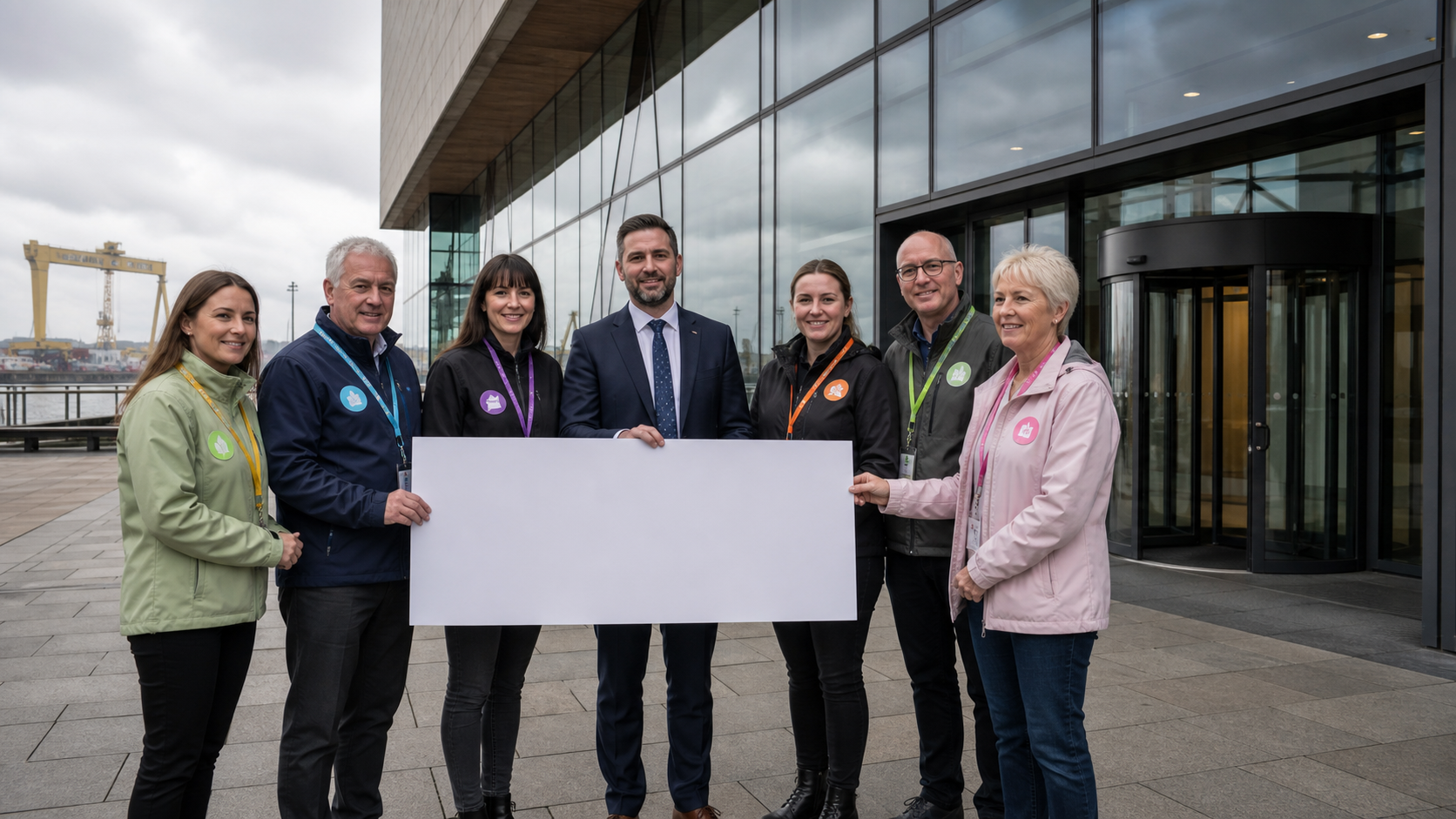
Five Northern Ireland charities have shared a £750,000 windfall from Electric Ireland after the Utility Regulator concluded a three-year investigation into the energy supplier's compliance with its domestic electricity licence. The settlement, confirmed on Thursday, sees Bryson Energy, National Energy Action, Samaritans, Age NI, and the NSPCC each receive £150,000 — money that will go directly toward supporting some of the most vulnerable people in Northern Ireland.
Background
Electric Ireland, a subsidiary of the state-owned ESB group, operated as a domestic electricity supplier in Northern Ireland for a number of years before withdrawing from the residential market in 2024. At the point of its exit, its remaining household customers were transferred to Power NI. The company continues to serve non-domestic, business customers in the region, meaning its obligations under the Utility Regulator's licensing framework remain active.
The Utility Regulator, the independent body responsible for overseeing the electricity and gas markets in Northern Ireland, opened its investigation into Electric Ireland in 2023. The probe centred on a series of concerns about the company's conduct toward domestic customers, including the manner in which it communicated with them, the adequacy of its complaint-handling procedures, and aspects of its marketing practices. These are areas where licence obligations are clearly defined, and the regulator determined that Electric Ireland had fallen short of the required standards in each of them.
This is not the first time Electric Ireland has faced regulatory scrutiny in Northern Ireland. In October 2020, the company paid £250,000 to charities following an earlier investigation into its customer service and complaint-handling practices. The recurrence of similar concerns over a six-year period raises questions about the systemic nature of the issues identified, though the company has committed to remedial action as part of the current settlement.
Key Developments
The Utility Regulator formally closed its investigation on Wednesday, September 10, 2026, having accepted an "alternative resolution" from Electric Ireland. This mechanism, permitted under the regulator's enforcement policy, allows companies to resolve investigations without a formal finding of breach, provided they make a meaningful financial commitment and implement concrete remedial measures. Under the terms agreed, Electric Ireland paid £750,000 in total, with each of the five named charities receiving £150,000.
The charities selected reflect the nature of the investigation's concerns. Bryson Energy and National Energy Action both work directly with households struggling with energy costs, making them natural recipients of funds arising from an energy sector compliance failure. Samaritans, Age NI, and the NSPCC address broader vulnerability and welfare concerns that can be exacerbated by poor customer service and inadequate complaint resolution. In addition to the financial payment, Electric Ireland committed to implementing new internal systems to manage its licence obligations and improved quality assurance controls to prevent future failures.
The Utility Regulator confirmed that the commitments made by Electric Ireland remain binding despite the company's departure from the residential market, and stated that it would continue to monitor compliance. The regulator noted that some of the charities receiving funds provide direct support to individuals struggling with energy costs — a pointed acknowledgement of the real-world impact of the failures under investigation.
Why It Matters
The £750,000 settlement represents a meaningful injection of funds into the voluntary and community sector at a time when demand for charitable services in Northern Ireland is running at historically high levels. Energy poverty remains a serious concern across the region, with electricity tariffs set to rise by 12.6% from October and home heating oil prices hovering near £1 per litre. Against that backdrop, the funds directed to Bryson Energy and National Energy Action will have immediate practical value for households struggling to keep the lights on and the heating running.
The settlement also reinforces the Utility Regulator's willingness to use its enforcement powers to generate tangible community benefit, rather than simply imposing fines that disappear into general revenue. This approach — directing regulatory settlements toward charities that address the harms caused by the conduct under investigation — is increasingly recognised as best practice in consumer regulation. For Northern Ireland's charity sector, it represents a model worth watching as the regulator continues to oversee a market facing significant cost pressures.
Local Impact
Each of the five charities operates across Northern Ireland, with services reaching into communities from Belfast to the rural border counties. Age NI's work with older people facing energy poverty is particularly relevant in areas like Fermanagh and Tyrone, where rural isolation compounds the difficulties of managing rising fuel costs. The NSPCC's child protection services and Samaritans' mental health support lines operate across the region, and both organisations have noted that financial stress within households is a significant driver of the issues they encounter. The £150,000 received by each charity will fund frontline services at a time when statutory funding is under severe pressure across the public sector.
What's Next
The Utility Regulator will continue to monitor Electric Ireland's compliance with the commitments made as part of the settlement. The five charities are expected to announce specific plans for how the funds will be deployed in the coming weeks. The regulator has indicated it will publish a full account of the investigation and its resolution, providing transparency about the nature of the failures identified and the remedial steps agreed. Energy sector observers will be watching to see whether the alternative resolution mechanism is used more frequently as a tool for generating community benefit from regulatory enforcement.