Dáil Summer Recess: Political Winners and Losers as Ireland Enters Crucial Pre-Budget Period
With the Dáil having risen for its summer recess, political analysts and commentators have delivered their mid-year verdicts on the performance of Ireland's key political figures, with Health Minister Jennifer Carroll MacNeill and Social Democrats leader Holly Cairns emerging as the standout performers of the first half of 2026, while Justice Minister Jim O'Callaghan faces sustained criticism over the legal aid crisis and communication failures during the fuel protests.
Background
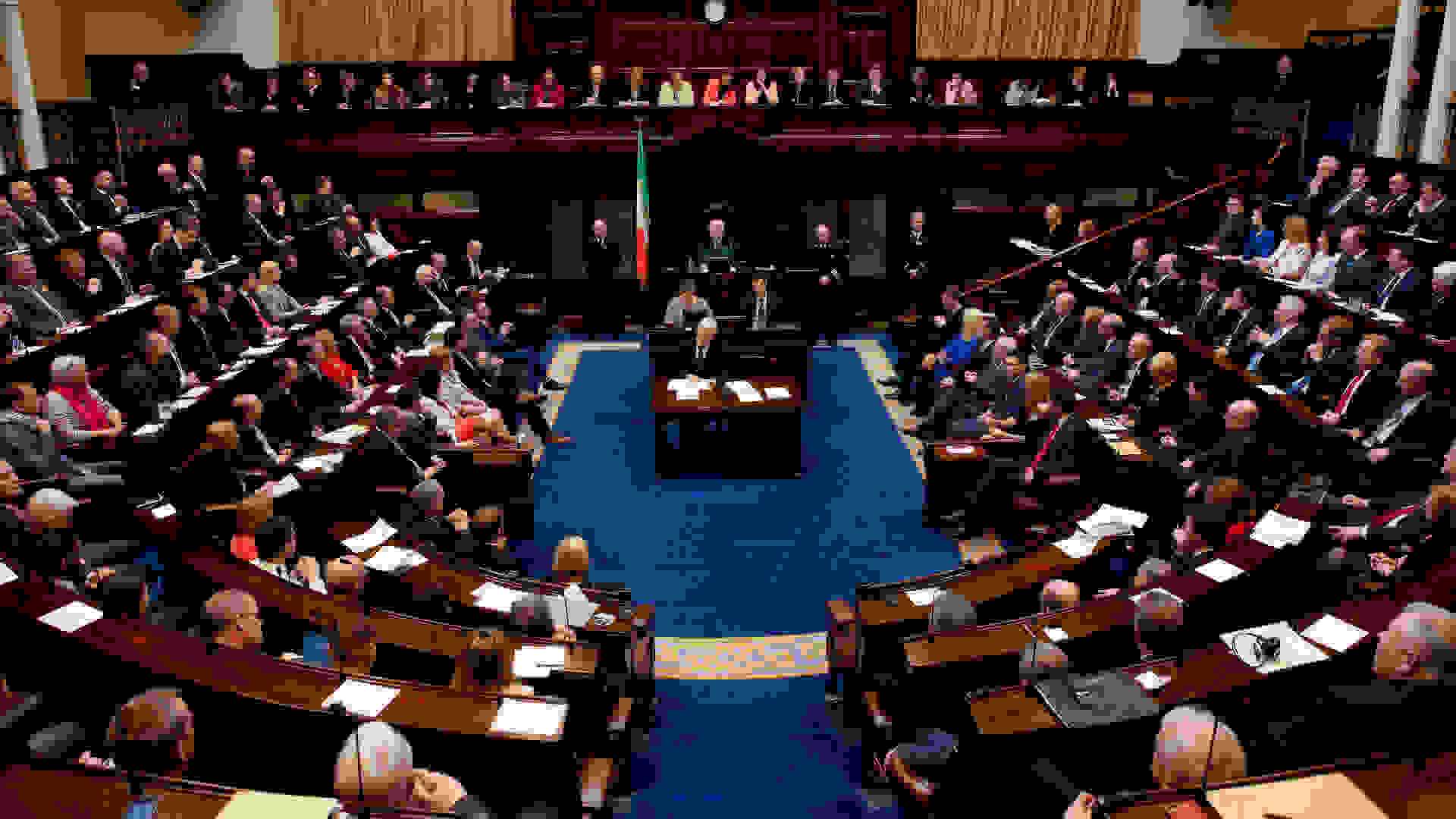
The Dáil rose for its summer recess in mid-July, leaving the government to manage a series of ongoing crises — the drought and hosepipe ban, the Aughinish Alumina controversy, the Aer Lingus restructuring — without the scrutiny of daily parliamentary questions. The recess runs until September, when the House will return to begin the intensive pre-budget period that will culminate in Budget 2027 in October.
The political landscape in Ireland in mid-2026 is one of considerable complexity. The coalition government of Fine Gael, Fianna Fáil, and the Green Party is managing a series of difficult issues, from the housing crisis to the cost of living, while maintaining a broadly stable majority in the Dáil. The opposition is led by Sinn Féin, which remains the largest single party in the state but has struggled to translate its poll ratings into a clear path to government. The Social Democrats, under Holly Cairns, have emerged as a significant force in the centre-left, while Labour continues its slow recovery from the catastrophic losses of 2020.
Recent polling from Ireland Thinks, conducted in early July, placed Fine Gael at 20%, Sinn Féin at 19%, and Fianna Fáil at 17%, with the Social Democrats at 12%. The next general election must be held by early 2030, giving the current government considerable time to manage its agenda — but the budget in October will be a crucial test of its ability to deliver for voters.
Key Developments
Health Minister Jennifer Carroll MacNeill has been identified by multiple analysts as the standout performer of the first half of 2026. Her firm management of the public-only contracts dispute with hospital consultants, her handling of the National Maternity Hospital controversy — including her statement that BAM should not tender for the project following fire-certification complications at the National Children's Hospital — and her consistent communication style have earned her considerable respect across the political spectrum. Her decision to commission an independent review of the National Maternity Hospital business case, due before Cabinet in autumn 2026, has been widely praised as a proportionate and responsible response to a complex situation.
Social Democrats leader Holly Cairns has maintained high approval ratings throughout the first half of the year, with her party's parliamentary presence expanded following a by-election victory in Cork in March. Cairns has positioned the Social Democrats as a credible centre-left alternative to both Sinn Féin and the government parties, with a particular focus on housing, health, and cost-of-living issues.
Justice Minister Jim O'Callaghan has had a more difficult six months. His handling of the fuel protests in February — when a communication breakdown between his department and the Garda Commissioner led to confusion about the government's response — drew significant criticism. The ongoing dispute with solicitors over criminal legal aid, which has seen dozens of solicitors resign from the criminal panel in protest at the government's flat-fee reform, has added to the pressure on the minister.
Why It Matters
The mid-year political assessment matters because it shapes the narrative going into the budget period. A minister who is perceived as performing well has greater political capital to spend on difficult decisions; one who is under pressure is more vulnerable to opposition attacks and internal party criticism. For the coalition as a whole, the first half of 2026 has been broadly satisfactory — the government has managed a series of difficult issues without any major political crisis — but the second half will be more demanding. Budget 2027, which Taoiseach Micheál Martin has indicated will be an €8.5 billion package focused on rewarding work, will be the defining political event of the year, and its reception will go a long way toward determining the government's prospects at the next election.
Local Impact
The political developments of the first half of 2026 have had tangible consequences for communities across Ireland. The legal aid crisis, driven by the dispute between the Department of Justice and criminal solicitors, has left some defendants in rural areas struggling to find legal representation — a particular problem in counties like Donegal, Roscommon, and Leitrim, where the number of solicitors on the criminal panel is already limited. The housing crisis continues to affect communities across the country, with the government's Croí Cónaithe scheme delivering some new units but falling well short of the scale required to address the underlying shortage. The drought and hosepipe ban have added a new dimension of pressure on households and businesses, particularly in the agricultural sector.
What's Next
The Dáil returns from its summer recess in September, with Budget 2027 the dominant item on the political agenda. The budget is expected to be presented in October, with the government under pressure to deliver meaningful relief on the cost of living while maintaining fiscal discipline. The Aughinish Alumina controversy, the Aer Lingus restructuring, and the ongoing housing crisis will all feature prominently in the pre-budget debate. The next general election must be held by early 2030, but the political dynamics of the next twelve months will go a long way toward determining when the Taoiseach decides to go to the country.