Dubliner Jailed After Killing 'Devoted Mother' in Welsh Road Crash That Cut Short Life Near 25th Wedding Anniversary
A Dublin man has been sentenced to a custodial term in Wales after a road crash that killed Lydia La Polla, a woman described in court as a devoted mother whose life was needlessly cut short not far from her 25th wedding anniversary. The case, which has been reported by BBC News, has drawn renewed attention to the devastating consequences of dangerous driving and the lasting impact on the families of victims.
Background
Road traffic collisions involving Irish nationals abroad are a recurring and painful feature of the Irish diaspora experience. Irish people live and work in every corner of the world, and the risks they face on foreign roads — whether as drivers, passengers, or pedestrians — are a source of ongoing concern for families at home and for the consular services that support Irish citizens abroad. Wales, which shares a close cultural and economic relationship with Ireland and is home to a significant Irish community, has been the scene of a number of fatal collisions involving Irish nationals in recent years.
The case of Lydia La Polla is particularly poignant. A devoted mother, she was killed in a road crash caused by a Dublin man whose dangerous driving ended her life at a moment when she and her family were approaching a significant personal milestone — her 25th wedding anniversary. The court's description of her life being "needlessly cut short" captures the senselessness of a death that was entirely preventable.
Dangerous driving is a persistent problem on roads across the United Kingdom and Ireland, despite decades of road safety campaigns, legislative changes, and improvements in vehicle safety technology. The human cost of dangerous driving — measured not only in lives lost but in the grief, trauma, and long-term consequences for the families of victims — is enormous, and cases like this one serve as a reminder of the real-world consequences of decisions made behind the wheel.
Key Developments
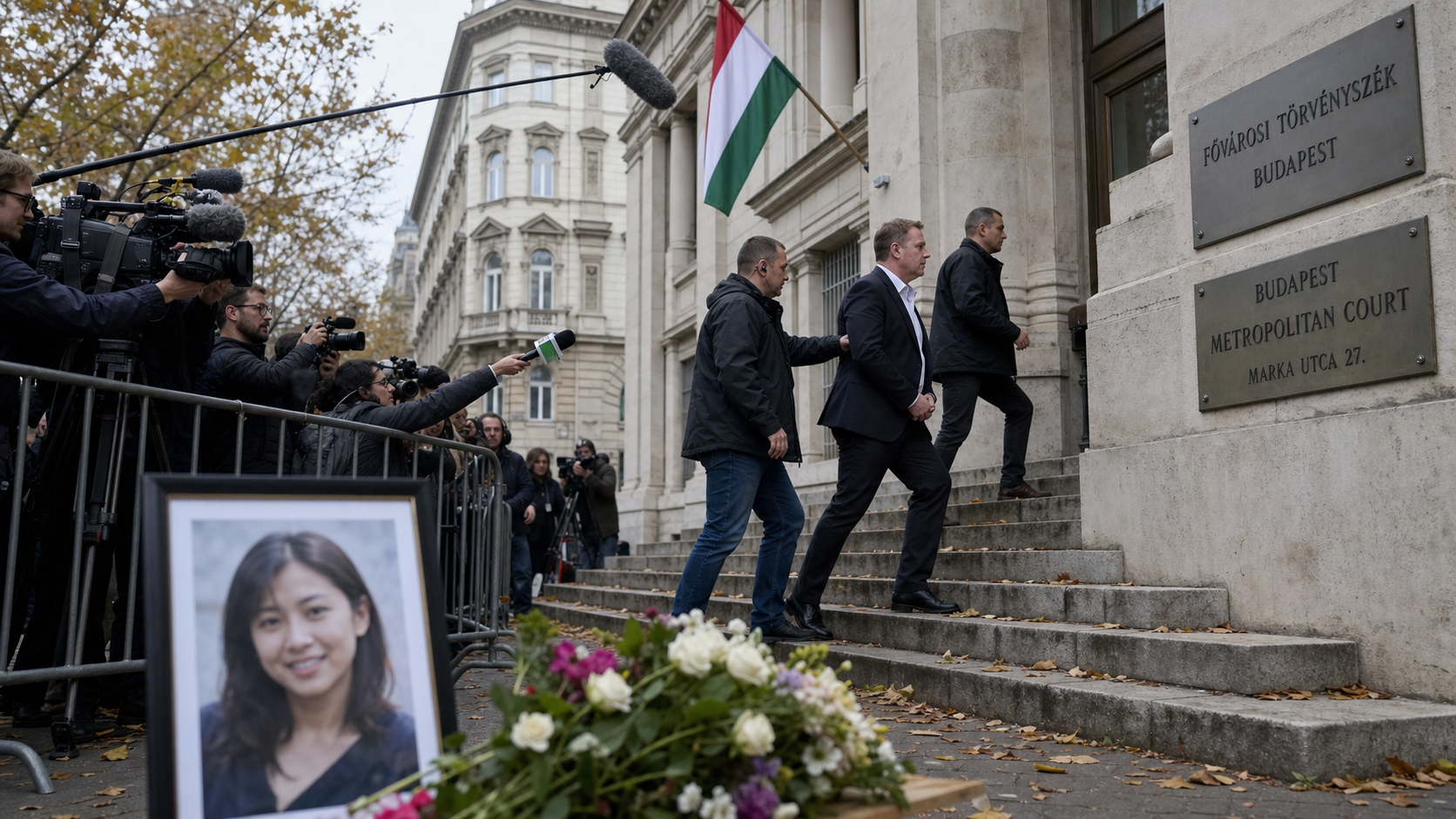
The Dublin man was convicted of causing death by dangerous driving following a trial in Wales. The court heard evidence about the circumstances of the crash and the impact of Lydia La Polla's death on her family. The prosecution described her as a devoted mother whose life was needlessly cut short, and the court was told that she died not far from her 25th wedding anniversary — a detail that underlined the personal tragedy of her loss for her husband and children.
The sentencing judge imposed a custodial term, reflecting the seriousness of the offence and the devastating consequences for the victim's family. The case has been reported by BBC News and has attracted attention in Ireland, where the Irish community in Wales and the broader diaspora have followed the proceedings with concern and sympathy for the La Polla family.
The Irish Embassy in London, which has consular responsibility for Wales, has been in contact with the family and has provided the support available to Irish nationals involved in legal proceedings abroad. The Department of Foreign Affairs has a dedicated consular assistance service for Irish citizens who find themselves in difficulty overseas, including those involved in road traffic incidents.
Why It Matters
Cases like this one matter because they remind us that the consequences of dangerous driving extend far beyond the moment of impact. Lydia La Polla's family — her husband, her children, her wider circle of family and friends — will carry the loss of her for the rest of their lives. The Dublin man responsible for her death will serve a prison sentence, but no sentence can restore what has been taken from the La Polla family. The case also matters as a reminder to Irish people living and working abroad that the responsibilities of road safety apply wherever they are — that the same standards of care and attention that are expected on Irish roads are expected on roads in Wales, in Australia, in the United States, and everywhere else that Irish people make their lives.
Local Impact
The Irish community in Wales is a significant and well-established one, with roots going back to the industrial era when large numbers of Irish workers came to work in the Welsh coal mines and steel works. Today, the Irish community in Wales is diverse and spread across the country, from Cardiff and Swansea to the smaller towns and villages of the Welsh valleys and coast. The case of Lydia La Polla has resonated within this community, as it does within the broader Irish diaspora, as a reminder of the fragility of life and the importance of responsible behaviour on the roads. The Irish community in Wales has expressed its condolences to the La Polla family and its support for the campaign for safer roads that groups like the Road Safety Authority in Ireland and its equivalents in the UK continue to pursue.
What's Next
The Dublin man convicted of causing Lydia La Polla's death will serve his sentence in a Welsh prison, with the possibility of transfer to an Irish prison under the relevant prisoner transfer arrangements if he wishes to serve part of his sentence closer to home. The La Polla family have indicated through their legal representatives that they hope the sentence will bring some measure of justice, though they acknowledge that nothing can compensate for the loss of their mother and wife. Road safety advocates in Ireland and Wales have cited the case as evidence of the need for continued vigilance and enforcement on the roads, and for the maintenance of the legislative and educational frameworks that seek to reduce the incidence of dangerous driving.