Dublin Fringe Festival 2026: The Shows That Will Define Irish Theatre This Autumn
The Dublin Fringe Festival 2026 has unveiled what its curators are describing as the most ambitious and diverse programme in the event's history, with ten standout productions spanning theatre, performance art, and live art that push the boundaries of what Irish theatre can be and reflect the extraordinary breadth of talent in the Irish arts community at present.
The festival, which runs across multiple venues in Dublin city centre including the Project Arts Centre, the Smock Alley Theatre, and a series of site-specific locations, has established itself as one of the most important platforms for new Irish work and for international work with an Irish connection. This year's programme reflects the festival's commitment to risk-taking, diversity, and the exploration of urgent contemporary themes.
Background
The Dublin Fringe Festival was founded in 1995 as an alternative to the more established Dublin Theatre Festival, providing a platform for emerging artists and experimental work that might not find a home in the mainstream theatre circuit. Over the past three decades, it has grown into one of the most significant arts festivals in Ireland, attracting audiences of more than 50,000 people annually and launching the careers of many of Ireland's most celebrated theatre-makers.
The festival has always been characterised by its willingness to take risks and to champion work that challenges audiences and pushes the boundaries of theatrical form. It has been a platform for some of the most important Irish theatre of the past three decades, including early work by artists who have gone on to achieve international recognition. The 2026 programme continues that tradition, with a selection of shows that range from intimate solo performances to large-scale ensemble pieces.
The festival takes place against the backdrop of a vibrant and growing Irish theatre scene, which has been energised in recent years by a new generation of artists who are bringing fresh perspectives and new forms to the stage. The success of Irish theatre internationally — in London's West End, on Broadway, and at major European festivals — has raised the profile of the sector and created new opportunities for Irish artists to develop their work and reach new audiences.
Key Developments
Among the highlights of the 2026 programme is a new work by one of Ireland's most celebrated playwrights, which explores the experience of the Irish diaspora in the United States through a combination of verbatim theatre and original dramatic writing. The production, which has been developed over two years through a series of workshops and residencies, is expected to be one of the most talked-about shows of the festival.
The programme also includes a major new work by a young Dublin-based theatre company that has been making waves on the Irish circuit with its innovative approach to physical theatre and its engagement with contemporary social issues. The company's new production, which deals with the experience of young people navigating the housing crisis, has been described by early audiences as "urgent, funny, and heartbreaking in equal measure."
International work features prominently in the programme, with productions from companies in France, Germany, and the United States bringing new perspectives and new theatrical languages to Dublin audiences. The festival's commitment to international programming reflects its belief that Irish theatre is enriched by engagement with the broader global theatre community.
Why It Matters
The Dublin Fringe Festival plays a crucial role in the ecology of Irish theatre, providing a platform for work that might not find a home in the mainstream circuit and creating opportunities for emerging artists to develop their practice and reach new audiences. The festival's willingness to take risks and to champion experimental work is essential to the health of the broader theatre sector, which depends on a constant flow of new ideas and new voices to remain vital and relevant.
The 2026 programme reflects the extraordinary diversity of Irish theatre at present, with work that spans a wide range of forms, themes, and perspectives. From intimate solo performances to large-scale ensemble pieces, from verbatim theatre to physical performance, the programme demonstrates that Irish theatre is not a single tradition but a multiplicity of traditions, each with its own history and its own possibilities.
The festival also plays an important economic role in Dublin's cultural life, attracting visitors from across Ireland and internationally and generating significant economic activity in the city centre. The concentration of arts activity in the festival period creates a vibrant cultural atmosphere that benefits the city as a whole and reinforces Dublin's reputation as a major European cultural destination.
Local Impact
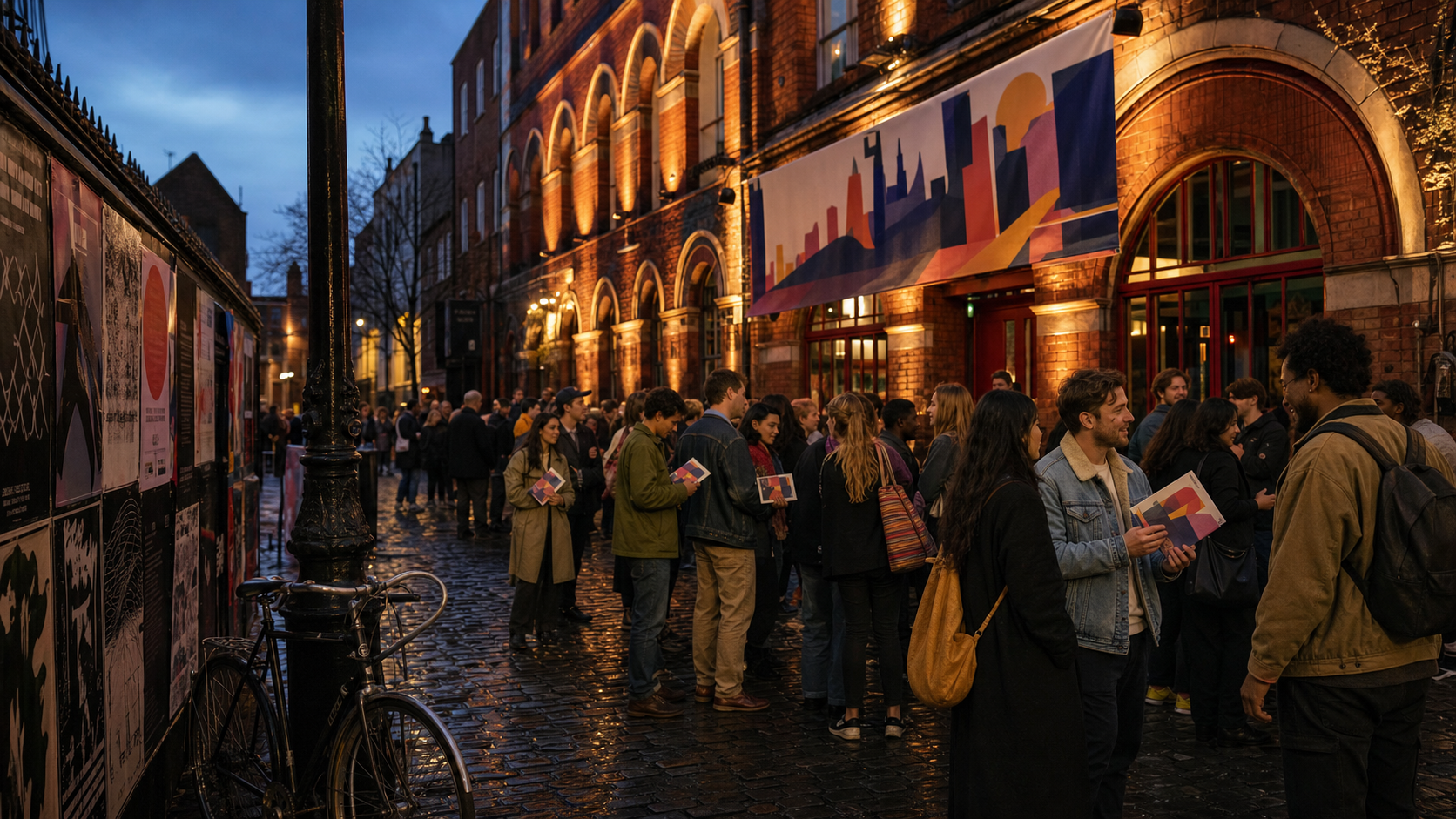
The Dublin Fringe Festival takes place across a network of venues in Dublin city centre, from the established theatres of Temple Bar and the south inner city to site-specific locations in unexpected corners of the city. The festival's use of non-traditional venues — warehouses, public spaces, community halls — is part of its identity and reflects its commitment to making theatre accessible to audiences who might not normally attend conventional theatre venues. The economic impact of the festival is felt across the city centre, with restaurants, bars, and hotels all benefiting from the increased footfall that the festival generates.
What's Next
The Dublin Fringe Festival 2026 runs from September 12 to 27, with the full programme available on the festival's website. Tickets for the most popular shows are expected to sell out quickly, and the festival is encouraging audiences to book early to avoid disappointment. A series of free events and public programmes will also be available throughout the festival period, ensuring that the Fringe remains accessible to audiences of all backgrounds and means.