Dublin District Heating Project Moves to Planning as Poolbeg Waste Heat to Warm 50,000 Docklands Homes
Dublin City Council has issued a planning notice under the Part 8 process for the long-awaited Dublin District Heating Project, a scheme that will capture waste heat from the Poolbeg incinerator and pipe it beneath the River Dodder to provide heating and hot water to approximately 50,000 homes and businesses across the Dublin Docklands — a development that would make the capital's fastest-growing urban quarter one of the most sustainably heated districts in Europe.
Background
The concept of using the Dublin Waste to Energy plant at Poolbeg as a source of district heating has existed since the early 2000s, when the incinerator was still in the planning stages. The idea is straightforward in principle: the process of burning household waste generates enormous quantities of heat, much of which is currently released into the atmosphere as a byproduct of electricity generation. Capturing that heat and distributing it through an underground pipe network to nearby buildings would dramatically reduce the carbon footprint of heating in the Docklands, replacing gas boilers and electric heating systems with a low-carbon alternative.
The project has faced repeated delays over two decades, primarily due to funding challenges and the complexity of the infrastructure required. A passage beneath the River Liffey was installed as early as 2010 in anticipation of the scheme, but the broader network never materialised. The Irish Glass Bottle site at Ringsend, now being developed as a major residential quarter, was originally intended to be among the first beneficiaries of the district heating system, but delays forced those buildings to install heat pumps as an interim measure, with the infrastructure designed to allow future connection to the network.
The current planning notice represents the most concrete step forward in the project's history. The Department of Climate, Energy and the Environment has committed €50 million toward the estimated €70 million cost of the first phase, providing the financial foundation that previous iterations of the scheme lacked.
Key Developments
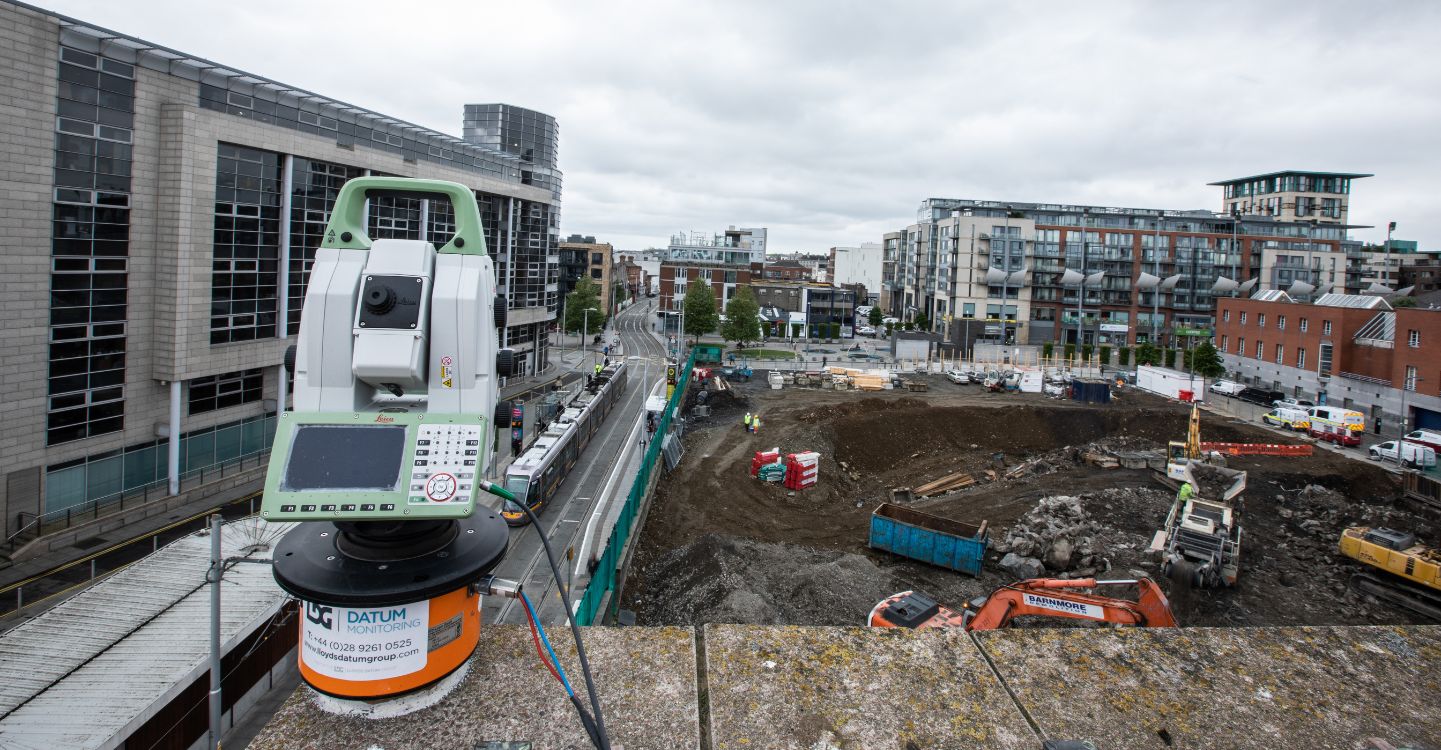
The first phase of the Dublin District Heating Project will involve laying approximately 8.5 kilometres of underground piping across the north and south quays of the Docklands. The centrepiece engineering challenge is the construction of a new tunnel beneath the River Dodder, linking Sir John Rogerson's Quay on the south side with York Road in Ringsend. This tunnel will carry the insulated pipes that transport heat from the Poolbeg plant to the distribution network.
The public has until October 7, 2026, to apply to An Coimisiún Pleanála for a screening determination regarding environmental impacts, and until October 21, 2026, to submit written observations directly to Dublin City Council. Construction is targeted to begin in 2027, with the first customer connections — starting with the Irish Glass Bottle site — planned for 2028. At full capacity, the scheme could serve up to 50,000 homes and commercial buildings across the Docklands, making it one of the largest district heating networks in Ireland.
The project aligns with Ireland's broader climate commitments under the Climate Action Plan, which sets ambitious targets for the decarbonisation of heat — one of the most challenging sectors to address given the dominance of gas boilers in the existing building stock.
Why It Matters
District heating is well established across Scandinavia and central Europe, where cities like Copenhagen and Vienna have built extensive networks that provide low-carbon heat to the majority of their residents. Ireland has been slow to develop this model, partly because of the dominance of natural gas in the heating market and partly because of the infrastructure investment required. The Dublin District Heating Project represents a genuine step toward closing that gap.
The timing is particularly significant given the energy price crisis that has gripped Irish households since 2022. Bord Gáis Energy announced a 9.1% electricity price increase and a 10.6% gas price increase effective October 2026, while Energia confirmed a 6.73% dual-fuel increase for its 290,000 customers. District heating, once connected, provides a degree of insulation from wholesale gas market volatility because the heat source — waste from the incinerator — is not subject to the same price fluctuations as fossil fuels.
Local Impact
The Docklands is Dublin's most rapidly developing urban quarter, with thousands of new apartments under construction or recently completed at sites including the Irish Glass Bottle site, Horgan's Quay, and the North Lotts. Residents of these developments, many of whom are young professionals and families, will be among the first to benefit from the district heating connection. The scheme will also serve commercial buildings along the quays, reducing the carbon footprint of some of Dublin's largest office developments. For the broader city, the project demonstrates that large-scale sustainable infrastructure is achievable in an Irish urban context — a proof of concept that could inform similar schemes in Cork, Limerick, and Galway.
What's Next
The public consultation period runs until October 21, 2026. Dublin City Council will then review submissions before proceeding with the planning process. Subject to planning approval, construction is expected to begin in 2027, with the first customer connections in 2028. The council has indicated that it will engage directly with affected stakeholders — including residents and businesses along the pipe route — as the project moves toward construction.