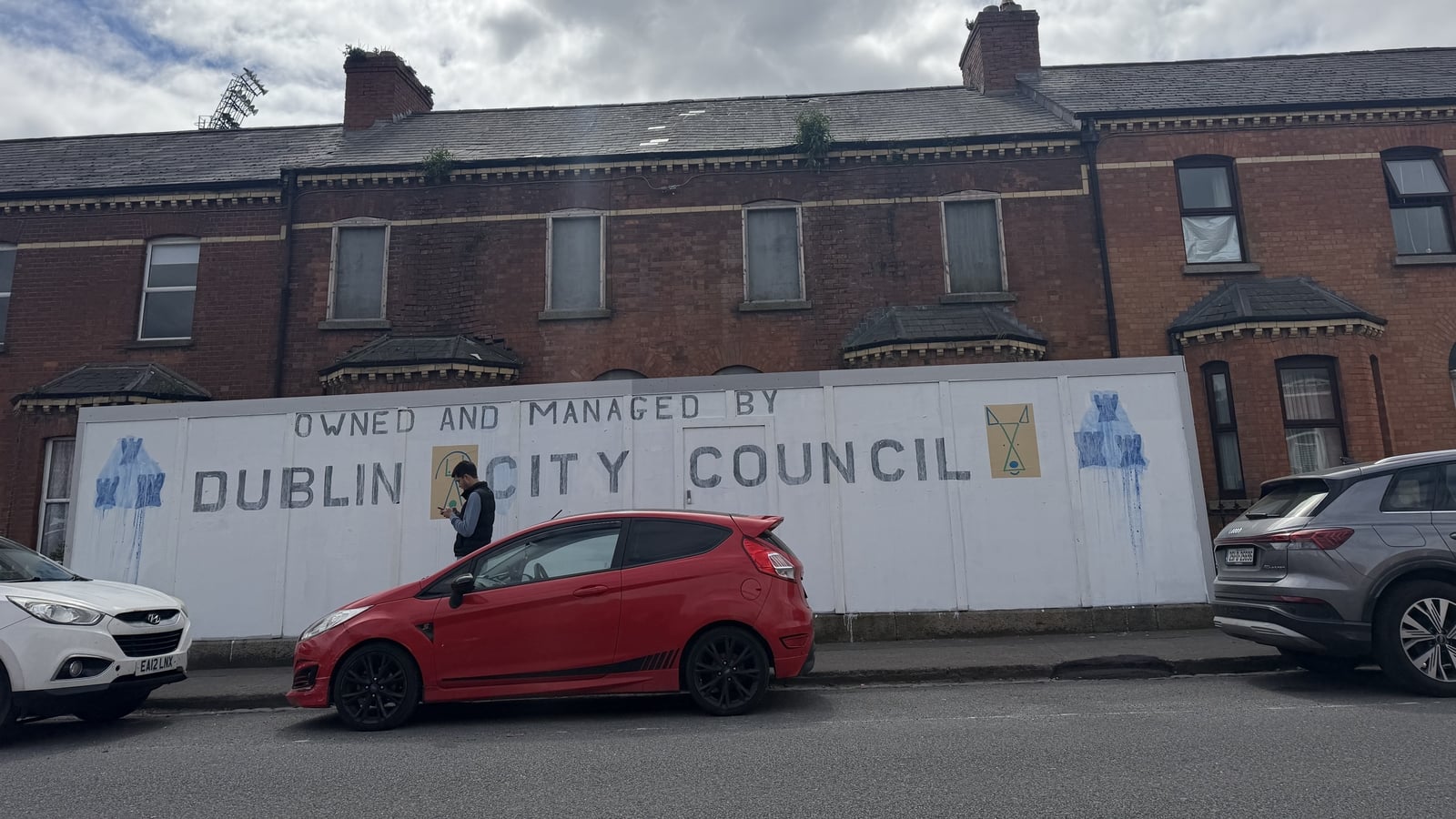
Dublin City Council Launches High-Salaried Rejuvenation Unit to Tackle City Centre Dereliction
Dublin City Council has established a new project management unit tasked with spearheading the rejuvenation of the capital's city centre, advertising for staff with salaries ranging from €79,000 to nearly €110,000 — a significant investment in professional capacity that reflects the scale of the challenge facing a city centre that has been blighted by vacancy and dereliction for years despite being at the heart of one of Europe's fastest-growing economies.
Background
Dublin city centre's struggle with vacancy and dereliction is one of the more paradoxical features of Ireland's economic success story. Despite the country's strong economic performance over the past decade, and despite the acute shortage of commercial and residential space that has driven rents to record levels, significant stretches of the city centre remain characterised by vacant shopfronts, derelict buildings, and underutilised sites that represent both a visual blight and a missed opportunity for the city's development.
The problem has multiple causes. The legacy of the 2008 financial crisis left many city centre properties in the hands of receivers and banks, who were often reluctant to invest in development or to sell at prices that would make development viable. The shift in retail patterns — accelerated by the Covid-19 pandemic — has left many traditional retail streets with high vacancy rates as anchor tenants have closed or relocated. And the planning system, while not the primary cause of the problem, has sometimes been slow to facilitate the kind of mixed-use development that could bring life back to vacant buildings.
The Dublin City Taskforce, established by the government in 2023 to develop a strategy for the rejuvenation of the city centre, published its report in 2024 with a series of recommendations for addressing the vacancy and dereliction problem. The establishment of the new project management unit within Dublin City Council is a direct response to those recommendations, providing the council with the professional capacity to implement the taskforce's proposals.
Key Developments
Dublin City Council has advertised for a team of project managers and urban regeneration specialists to staff the new unit, with salaries ranging from €79,000 for more junior roles to nearly €110,000 for senior positions. The salary levels reflect the competitive market for experienced urban regeneration professionals and the council's recognition that attracting the right talent is essential to the success of the initiative.
The initial phase of the unit's work will be a three-year pilot project focused on tackling vacancy and dereliction on two key streets: North Frederick Street, which runs between Parnell Square and Dorset Street in the north inner city, and Middle Abbey Street, which connects O'Connell Street to Capel Street and has been one of the most visibly derelict streets in the city centre for several years.
The longer-term plan involves the incorporation of a council-owned special purpose vehicle in 2026 to scale the rejuvenation effort city-wide. The SPV model — in which the council establishes a separate legal entity to acquire and develop derelict sites — is designed to give the council greater flexibility and commercial agility than is possible within the constraints of normal local authority procurement and financial management. The SPV will operate on a "revolving fund" model, using the proceeds from the sale or lease of developed properties to fund further acquisitions and developments.
Why It Matters
The establishment of the rejuvenation unit represents a significant shift in Dublin City Council's approach to the city centre problem. For years, the council's response to vacancy and dereliction was primarily regulatory — using the derelict sites register, the vacant sites levy, and planning enforcement to put pressure on property owners to bring their buildings back into use. These tools have had limited success, partly because the financial penalties involved are insufficient to overcome the economic logic of holding vacant property in a rising market.
The new approach — using professional project management capacity and a commercial SPV to actively acquire and develop derelict sites — is more interventionist and more likely to produce tangible results. The model has been used successfully in other European cities, including Rotterdam and Leipzig, where municipal authorities have played an active role in urban regeneration rather than relying solely on the private sector.
The salary levels being offered for the new unit have attracted some criticism, with questions raised about whether the council should be paying private sector rates for public sector roles. The council's response is that the complexity and commercial nature of the work requires professionals with private sector experience and that the salary levels are necessary to attract candidates of the required calibre.
Local Impact
The pilot project's focus on North Frederick Street and Middle Abbey Street will be welcomed by businesses and residents in the north inner city, where the concentration of vacant and derelict properties has been a source of frustration for years. North Frederick Street, which runs through the Parnell Square area — one of Dublin's most historically significant Georgian streetscapes — has seen a number of its buildings fall into disrepair, undermining the character of an area that has significant potential as a cultural and hospitality destination. Middle Abbey Street, which connects the city's main retail thoroughfare to the Capel Street area, has been blighted by vacant units that have deterred investment and reduced footfall in the surrounding area.
What's Next
The new project management unit is expected to be fully staffed by September 2026, with the pilot project on North Frederick Street and Middle Abbey Street beginning in earnest in the fourth quarter of the year. The council-owned SPV is expected to be incorporated before the end of 2026, with its first property acquisitions anticipated in early 2027. The progress of the pilot project will be reviewed after 18 months, with a decision on whether to extend and scale the programme to be made on the basis of that review.


