Donegal International Rally Cancelled After Teenage Spectator Dies in Crash
The Donegal International Rally, one of the most prestigious and beloved events on the Irish motorsport calendar, was cancelled on Saturday after a teenage spectator died and two others were injured when a competing car left the road and struck a group of spectators near Kilmacrennan during the 12th stage of the event — a tragedy that has cast a profound shadow over the motorsport community in Ireland and prompted an immediate Garda investigation into the circumstances of the crash.
Background
The Donegal International Rally has been a fixture of the Irish motorsport calendar for decades, attracting some of the finest rally drivers in Ireland and internationally to compete on the challenging roads of County Donegal. The event, which typically draws large crowds of spectators to the county each June, is one of the most important events in the Irish Tarmac Rally Championship and has a reputation for producing some of the most exciting and technically demanding stages in Irish rallying. The roads of Donegal — narrow, winding, and often bordered by stone walls and ditches — provide a unique challenge for drivers and a spectacular spectacle for the thousands of fans who line the stages each year.
Spectator safety at rally events has been a subject of ongoing attention within the motorsport community, with organisers and governing bodies working to balance the traditional accessibility of rally stages with the need to protect those who come to watch. The Donegal Rally has a strong safety record, and the tragedy on Saturday is the first fatal spectator incident in the event's long history. The shock within the motorsport community has been profound, with tributes pouring in from drivers, teams, and fans across Ireland and internationally.
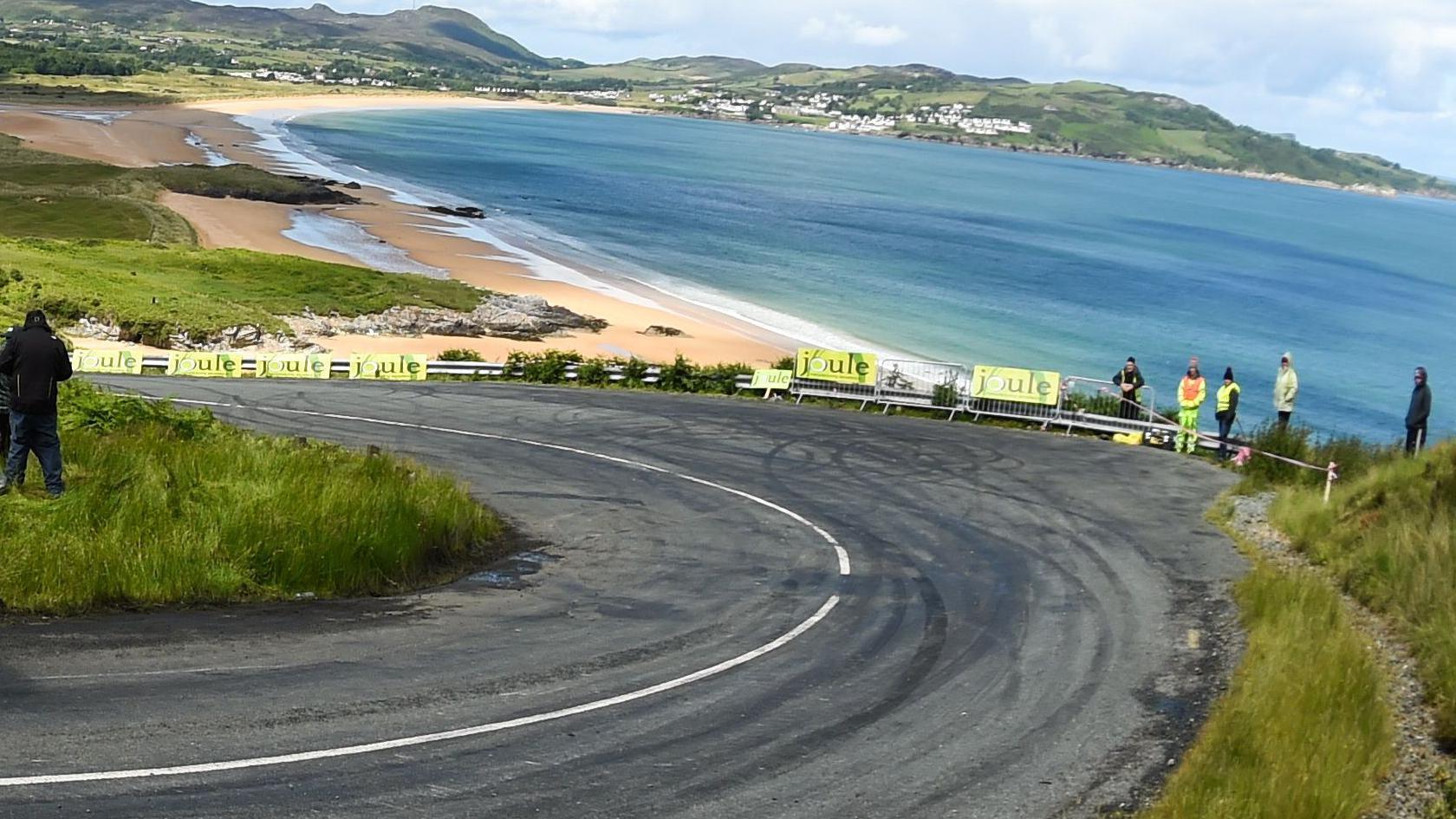
The Kilmacrennan area, where the incident occurred, is a popular spectator location on the Donegal Rally route, known for its dramatic scenery and the close proximity it offers to the competing cars. The stage had been running without incident before the crash, which occurred when a competing car left the road at speed and struck a group of spectators who were watching from what was believed to be a designated viewing area.
Key Developments
The incident occurred during the 12th stage of the rally, with the competing car striking spectators near Kilmacrennan. Emergency services were called immediately, and the teenage victim was pronounced dead at the scene. Two other spectators were taken to hospital with injuries, the severity of which has not been publicly disclosed. The remaining stages of the rally were immediately cancelled, and the following day's racing was also called off as a mark of respect to the victim and their family.
The Gardaí are coordinating a full investigation into the circumstances of the crash, working alongside Motorsport Ireland and the event organisers to establish exactly what happened and why. The investigation will examine the condition of the road, the speed of the competing car, the positioning of spectators, and the adequacy of the safety measures in place at the location. The driver of the competing car is understood to be cooperating fully with the investigation.
Motorsport Ireland, the governing body for motorsport in Ireland, issued a statement expressing its deepest sympathies to the family and friends of the deceased and confirming that it would cooperate fully with the Garda investigation. The organisation has also indicated that it will conduct its own internal review of the safety arrangements at the event, with the aim of learning lessons that can be applied to future events.
Why It Matters
The tragedy at the Donegal Rally raises fundamental questions about spectator safety at motorsport events that the Irish motorsport community will need to address honestly and thoroughly. Rally events, by their nature, involve high-speed vehicles on public roads, and the management of spectator safety is a complex and ongoing challenge. The Donegal Rally has historically been regarded as a well-organised and safety-conscious event, and the tragedy on Saturday is a reminder that even the most carefully managed events can be subject to catastrophic incidents. The investigation will need to examine not just the specific circumstances of this crash but the broader framework of safety regulations and practices that govern spectator management at Irish rally events. The findings will have implications for the entire Irish rally calendar.
Local Impact
The impact of the tragedy on the Donegal community has been profound. The rally is one of the county's most important annual events, attracting thousands of visitors and generating significant economic activity for local businesses. The cancellation of the remaining stages has left a sense of shock and grief that extends well beyond the motorsport community. Local politicians, community leaders, and sporting organisations have expressed their condolences to the family of the deceased and called for a thorough investigation into the circumstances of the crash. The Donegal GAA, the county's GAA board, and other sporting organisations have also expressed their sympathies, reflecting the close-knit nature of the county's sporting community. The future of the Donegal Rally will inevitably be a subject of discussion in the coming months, as the motorsport community grapples with the implications of the tragedy.
What's Next
The Garda investigation into the crash is ongoing, with a full forensic examination of the scene having been completed in the immediate aftermath of the incident. The investigation is expected to take several months, with a report to be submitted to the Director of Public Prosecutions in due course. Motorsport Ireland's internal review of the safety arrangements at the event is also under way, with the findings expected to be published before the end of the year. The future of the Donegal International Rally will be considered by the event organisers and Motorsport Ireland in the light of the investigation's findings, with a decision on whether and how the event will proceed in future years expected to be made in the autumn.