Cork Midsummer Festival Brings International Arts to the Rebel City in Week of Multidisciplinary Celebration
Cork city is alive with the energy of the Midsummer Festival this week, as one of Ireland's most ambitious and eclectic arts events presents a programme of theatre, music, dance, and visual arts that transforms the Rebel City into a stage for some of the most exciting creative work being produced in Ireland and internationally — with the festival running until 21 June and drawing audiences from across the country and beyond.
Background
The Cork Midsummer Festival has established itself over more than two decades as one of the most important events in the Irish arts calendar, a festival that consistently punches above its weight in terms of the quality and ambition of its programming. Unlike many Irish arts festivals that focus on a single discipline — literature, music, or theatre — Cork Midsummer is genuinely multidisciplinary, presenting work across theatre, dance, music, visual arts, and site-specific performance in venues ranging from the Cork Opera House and the Everyman Theatre to unexpected outdoor locations across the city.
The festival's identity is rooted in Cork's distinctive cultural character — a city that has always had a strong sense of its own identity and a healthy scepticism of Dublin-centric cultural narratives. Cork has produced some of Ireland's most significant artists, writers, and musicians, and the Midsummer Festival provides a platform for that creative energy while also bringing international work to the city that might not otherwise be seen outside Dublin or Belfast. The festival's commitment to commissioning new Irish work — rather than simply presenting existing productions — has made it a significant force in the development of Irish theatre and performance in particular.
This year's festival, running from 14 to 21 June, has been shaped by the theme of transformation — a reflection of the broader social and cultural changes that Ireland is navigating, from the housing crisis and immigration to the evolving relationship between tradition and modernity in Irish life. The programming reflects this theme across multiple disciplines, with works that challenge audiences to think differently about familiar subjects and to encounter perspectives that are not always represented in mainstream Irish culture.
Key Developments
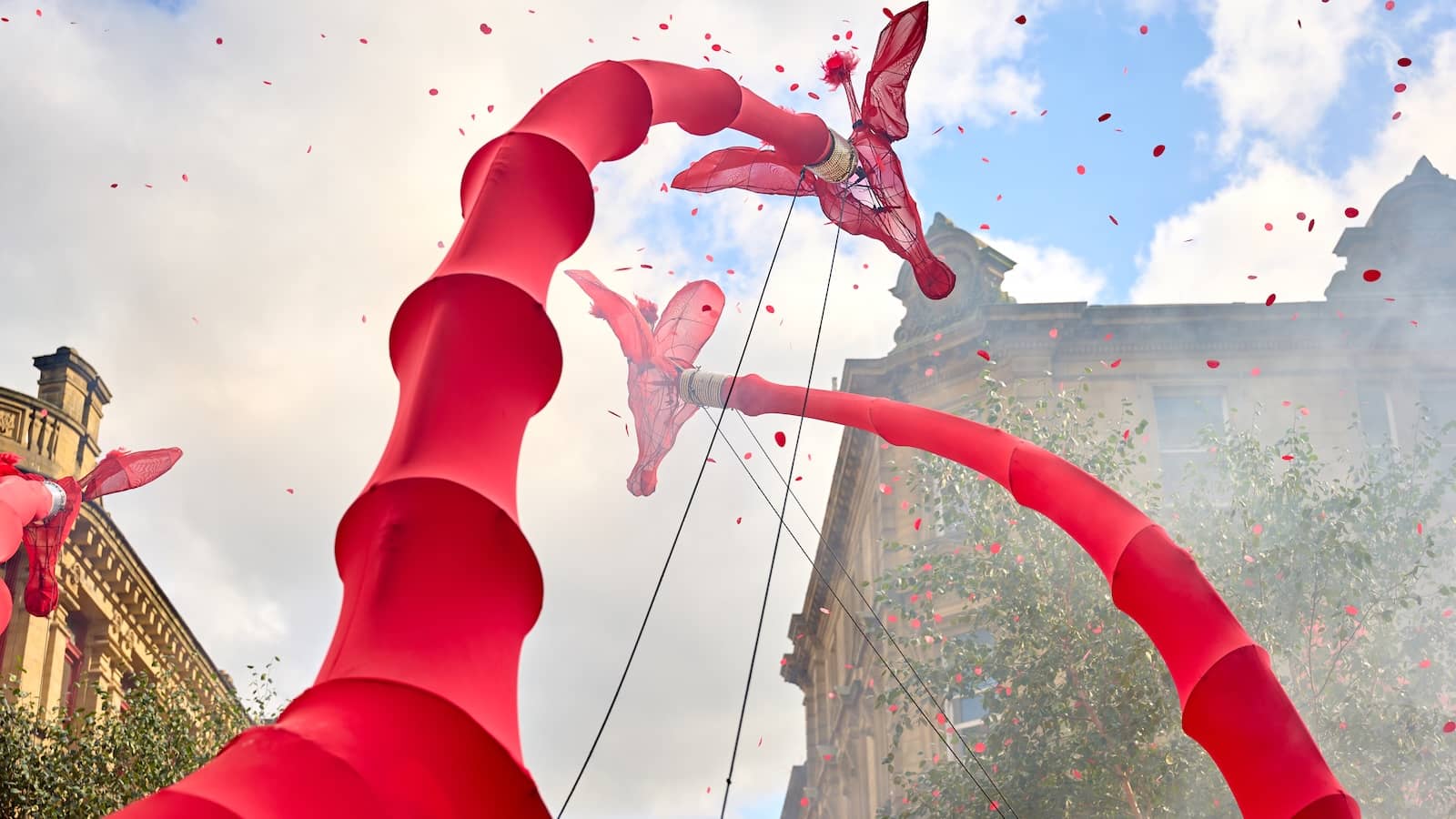
The festival's theatre programme has been particularly strong this year, with several world premieres of new Irish work alongside international productions that have been specially adapted for Cork audiences. The Everyman Theatre has been the hub for the main theatre programme, with the Cork Opera House hosting larger-scale productions and musical events. Site-specific performances have taken place in locations across the city, including the English Market, the Lee Fields, and several of Cork's historic public buildings.
The music programme has featured a mix of traditional Irish music, contemporary classical, and experimental electronic work, reflecting the breadth of Cork's musical culture. Several of the festival's music events have taken place in unconventional venues — warehouses, courtyards, and public squares — creating an atmosphere of discovery and surprise that is central to the Midsummer experience. The visual arts programme has included exhibitions in several of Cork's galleries, with a particular focus on work by emerging Irish artists who are engaging with questions of identity, place, and belonging.
The festival has also maintained its commitment to accessibility, with a range of free and low-cost events designed to ensure that the Midsummer experience is available to all Cork residents, not just those who can afford premium ticket prices. Community workshops, outdoor performances, and family-friendly events have been integrated throughout the programme, reflecting the festival's belief that arts engagement should be a civic right rather than a privilege.
Why It Matters
The Cork Midsummer Festival matters for reasons that go beyond the immediate pleasure of the individual events it presents. Arts festivals of this kind play a crucial role in the cultural life of cities, providing a concentrated period of creative activity that generates economic benefits, builds community pride, and attracts visitors who contribute to the local economy. Cork's festival sector — which also includes the Cork Jazz Festival, the Cork Film Festival, and the Cork Folk Festival — is one of the city's most important cultural assets, and the Midsummer Festival is among the most prestigious of these events.
The festival also plays an important role in the development of Irish arts more broadly. By commissioning new work and providing a platform for emerging artists, it contributes to the pipeline of creative talent that sustains Irish culture. Several of the most significant Irish theatre productions of the past decade had their origins in commissions or early presentations at Cork Midsummer, and the festival's track record of identifying and supporting emerging talent is one of its most valuable contributions to Irish cultural life.
Local Impact
The economic impact of the Cork Midsummer Festival on the city is significant. Hotels, restaurants, and bars across Cork city centre benefit from the influx of festival visitors, and the festival's programme of events in venues across the city — from the South Mall to the Northside — helps to distribute that economic activity beyond the immediate city centre. Local artists, technicians, and production staff are employed throughout the festival, providing an important source of income for Cork's creative community. The festival also has a significant impact on Cork's international profile, attracting arts journalists, programmers, and cultural tourists from across Europe and beyond who contribute to the city's reputation as a destination for serious arts engagement.
What's Next
The Cork Midsummer Festival runs until Saturday, 21 June, with a full programme of events across all disciplines. The festival's closing weekend includes several of the most anticipated productions of the programme, and tickets for the remaining events are available through the festival website. The festival team will begin planning for the 2027 edition in the autumn, with the commissioning process for new Irish work expected to begin in September. Cork City Council, which is a major funder of the festival, has confirmed its continued support for the event as part of its broader commitment to Cork's cultural infrastructure.