Cork and Kerry Dual Diagnosis Hub Reaches 250 Clients as Integrated Care Model Proves Its Worth
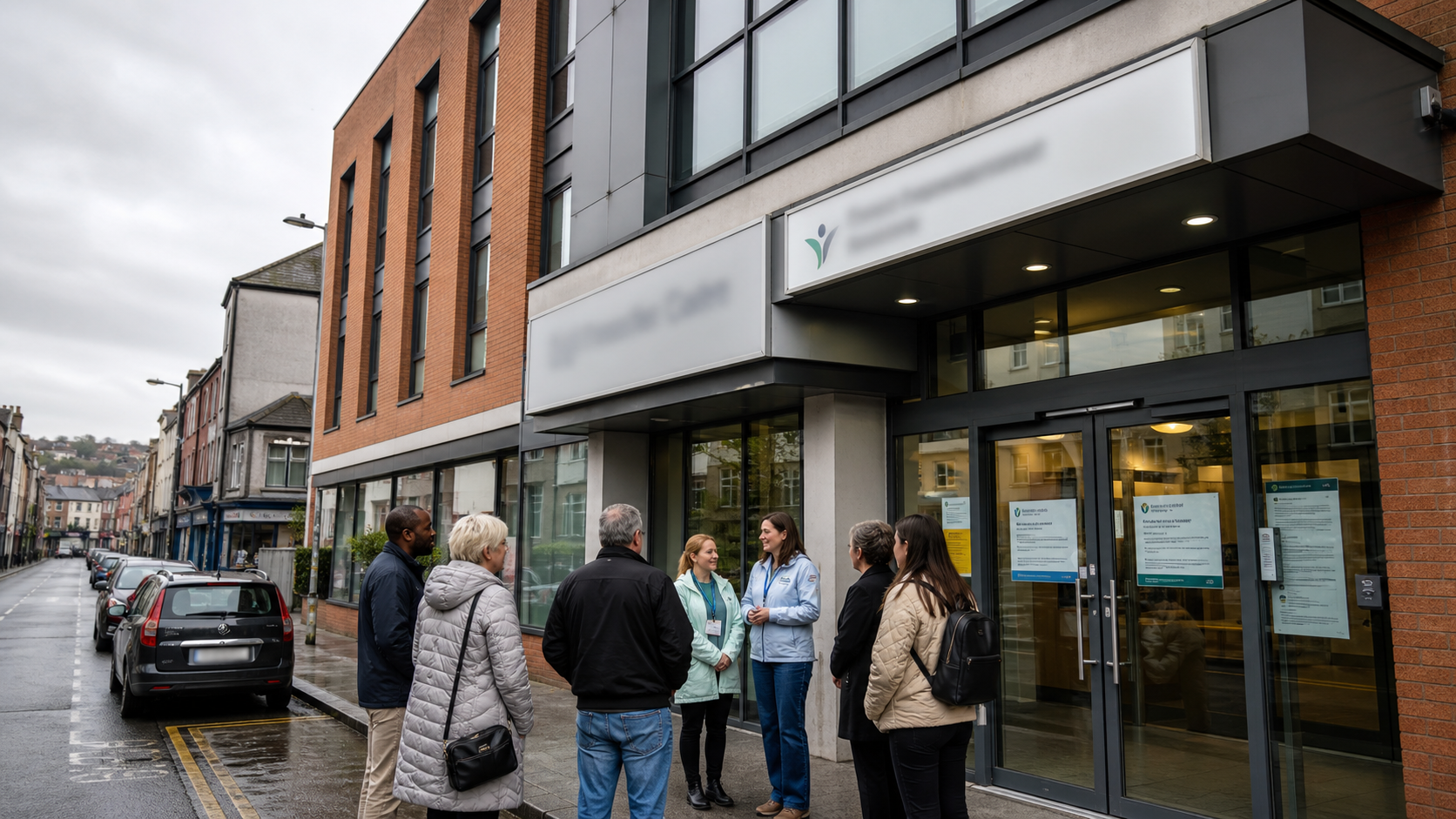
A specialist dual diagnosis hub serving Cork and Kerry is now supporting 250 people who experience both mental health difficulties and substance use disorders — a cohort that has historically fallen between the gaps of separate mental health and addiction services. The centre at Heron House in Blackpool, Cork, provides integrated multidisciplinary care that represents a significant advance in how the HSE approaches one of the most complex and underserved areas of Irish healthcare.
Background
The challenge of dual diagnosis — the co-occurrence of a mental health disorder and a substance use problem — has long been one of the most difficult issues in Irish healthcare. For decades, people presenting with both conditions were caught in a frustrating loop: mental health services would decline to treat them until they addressed their addiction, while addiction services would argue that the mental health issue needed to be stabilised first. The result was that many of the most vulnerable people in Irish society received no effective treatment at all, cycling through emergency departments, short-term crisis interventions, and periods of homelessness without ever accessing the sustained, integrated care they needed.
The HSE launched its National Clinical Programme for Dual Diagnosis in May 2023, with a model of care that envisioned a national network of 12 adult dual diagnosis teams and four adolescent teams. The programme was designed to break down the institutional silos that had prevented effective treatment, by creating specialist teams that could address both conditions simultaneously. Cork and Kerry, as one of the largest and most complex health regions in the country, was identified as a priority area for early implementation.
The Heron House centre in Blackpool, Cork, was established as the regional hub for the Cork and Kerry area. The centre brings together psychiatrists, psychologists, addiction counsellors, social workers, and nursing staff in a single multidisciplinary team — an approach that is standard in many European countries but that has been slow to develop in Ireland. The centre also provides outreach services for adolescents aged 11 to 17, working with young people presenting to Early Intervention in Psychosis programmes and Crisis Resolution Teams.
Key Developments
The figure of 250 people currently supported by the Cork and Kerry hub represents a significant milestone for the programme. Each of those individuals has a complex clinical profile that would previously have made them difficult to place within the existing service structure. The integrated model at Heron House allows clinicians to treat the whole person rather than a single presenting condition — an approach that the evidence consistently shows produces better outcomes in terms of recovery, reduced hospitalisation, and improved quality of life.
The programme has also established a pilot dual diagnosis service within Cork Prison, funded through Budget 2025. This service, which involves the appointment of a specialist dual diagnosis clinician, addresses a population that is disproportionately affected by co-occurring disorders and that has historically received inadequate mental health and addiction support within the prison system. Early feedback from the prison service has been positive, with the specialist clinician able to identify and begin treating conditions that would previously have gone unaddressed during a period of incarceration.
The adolescent outreach component of the Cork and Kerry service is particularly significant. Young people with dual diagnosis presentations are among the most vulnerable in the healthcare system, and early intervention is critical to preventing the entrenchment of both conditions. The service works closely with schools, youth services, and family support organisations across Cork and Kerry to identify young people who may benefit from specialist support.
Why It Matters
The expansion of dual diagnosis services in Cork and Kerry is part of a broader national shift in how Ireland approaches mental health and addiction. For too long, the two areas were treated as entirely separate domains, with separate funding streams, separate clinical pathways, and separate professional cultures. The evidence from countries that have implemented integrated dual diagnosis models — including the United Kingdom, the Netherlands, and Australia — is clear: integrated care produces significantly better outcomes than parallel or sequential treatment. People with dual diagnosis who receive integrated care are more likely to achieve sustained recovery, less likely to be hospitalised, and less likely to become homeless.
Ireland's progress in this area has been slower than in comparable countries, partly because of the fragmented structure of the HSE and partly because of the historical stigma attached to both mental illness and addiction. The National Clinical Programme for Dual Diagnosis represents a genuine attempt to address that legacy, and the Cork and Kerry hub is one of the most tangible expressions of that commitment. The figure of 250 people currently in receipt of integrated care is not large in absolute terms — it represents a fraction of the total population with dual diagnosis needs in the region — but it demonstrates that the model works and that demand exists.
The planned national network of 12 adult teams and four adolescent teams, if fully implemented, would represent a transformation in the availability of dual diagnosis services across Ireland. The Cork and Kerry experience will be central to the evidence base for that expansion.
Local Impact
In Cork city and county, the Heron House hub has already begun to change the experience of people with dual diagnosis and their families. GPs in the Cork area have reported that they now have a clear referral pathway for patients who present with co-occurring conditions — something that was previously absent. The centre's location in Blackpool, a northside Cork neighbourhood with significant social deprivation, reflects a deliberate decision to place the service where it is most needed. In Kerry, the outreach component of the service has been particularly welcomed in rural areas where access to specialist mental health and addiction services has historically been very limited. The HSE's Community Healthcare Organisation for Cork and Kerry has indicated that it will seek additional funding in Budget 2027 to expand the team's capacity and reduce waiting times for assessment.
What's Next
The HSE's National Dual Diagnosis Rehabilitation Centre at the Keltoi facility in Dublin is expected to open in 2027, providing a national resource for the most complex cases. The Cork and Kerry hub will be one of the primary referring services for that centre. Budget 2027 discussions, which are currently under way, include a submission from the HSE for additional funding to expand the dual diagnosis programme to further community health areas. The results of the Cork Prison pilot will be evaluated in early 2027, with a view to rolling out the model to other prisons across the country. The programme's national steering group is due to publish a progress report before the end of 2026.