CLEAR-Neagh Project Deploys DNA Fingerprinting to Unlock Secrets of Lough Neagh's Pollution Crisis
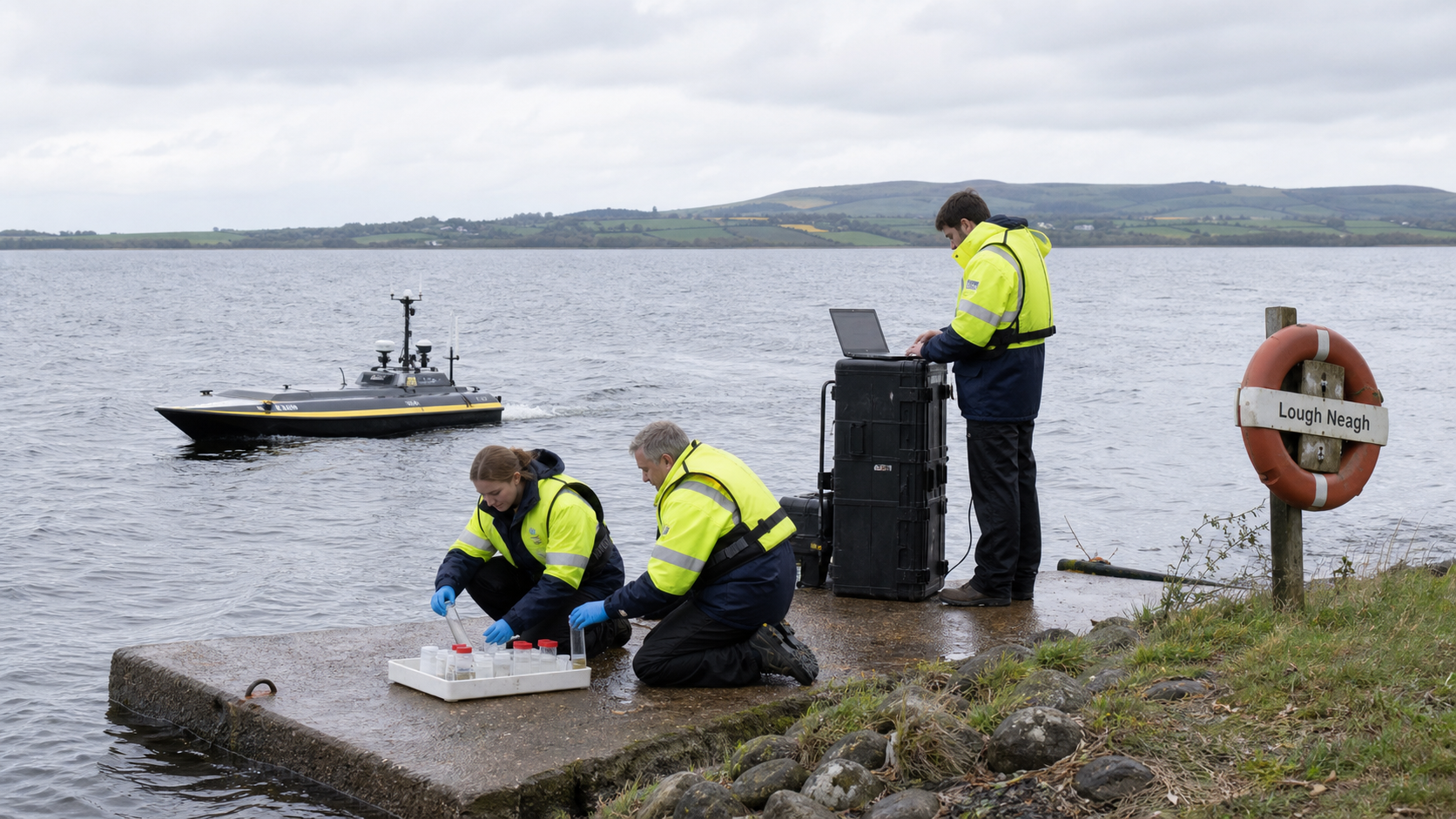
Scientists working on the £920,000 CLEAR-Neagh project are deploying cutting-edge environmental DNA fingerprinting technology and autonomous unmanned survey vessels to identify the precise sources and seasonal patterns of pollution in Lough Neagh — the largest freshwater lake in the UK and Ireland — in an 18-month investigation that researchers hope will provide the definitive evidence base needed to begin the lake's long-term restoration.
Background
Lough Neagh is one of the most significant natural features of the island of Ireland, covering approximately 383 square kilometres and providing drinking water to approximately 40% of Northern Ireland's population. The lake is also a site of enormous ecological importance, supporting a wide range of fish, bird, and invertebrate species, and has been designated as a Special Protection Area and a Ramsar wetland of international importance.
The lake's ecological health has been in serious decline for several decades, driven by a combination of agricultural runoff, sewage discharge, and the effects of climate change. The crisis reached a new level of public visibility in 2023, when severe blue-green algal blooms — caused by the excessive nutrient levels in the lake — covered large areas of the water surface, killing fish, deterring swimmers, and generating widespread public alarm. The blooms were the most severe in living memory and prompted urgent calls for action from environmental groups, local communities, and politicians across the political spectrum.
The CLEAR-Neagh project — Catchment-Level Environmental AMR and eDNA Reconnaissance for Lough Neagh — was established in response to that crisis. Led by the UK Centre for Ecology and Hydrology in collaboration with Biota Tech and the Lough Neagh Partnership, the project is funded by £920,000 from the Department of Agriculture, Environment and Rural Affairs and the Natural Environment Research Council, and forms part of the broader £9 million UK Freshwater Quality Programme coordinated by water@leeds at the University of Leeds.
Key Developments
The project's core innovation is its use of environmental DNA — or eDNA — technology to identify the sources of pollution in the lake and its catchment. By analysing DNA "fingerprints" found in water samples, scientists can distinguish whether pollution originates from human, agricultural, or wildlife sources — a level of precision that was not previously achievable with conventional monitoring methods. The technique is being combined with microbial source tracking, physicochemical monitoring, and antimicrobial resistance gene tracking to build a comprehensive picture of the lake's ecological condition.
Autonomous unmanned survey vessels are being used to collect samples from difficult or inaccessible areas of the lough, ensuring safety and consistency in the data collection process. As of August 2026, the team has been conducting extensive field testing, collecting numerous samples from the lake and its surrounding rivers. The data will be integrated with hydrological information and catchment models to create high-resolution maps of pollution pathways.
Why It Matters
The CLEAR-Neagh project matters because Lough Neagh matters — to the ecology of the island of Ireland, to the communities that depend on it for drinking water and livelihoods, and to the cultural identity of Northern Ireland. The lake has been at the centre of Irish life for millennia, from the mythological stories of Fionn Mac Cumhaill to the contemporary fishing communities of the Antrim and Tyrone shores. Its degradation is not merely an environmental problem — it is a cultural and social crisis.
The project's use of eDNA technology represents a significant advance in the scientific tools available for freshwater monitoring. If the technique proves as effective as researchers hope, it could be applied to other threatened freshwater bodies across Ireland and the UK, providing a new approach to the identification and remediation of pollution sources. The antimicrobial resistance tracking element of the project is also significant, given the growing global concern about the spread of antibiotic-resistant bacteria through environmental pathways.
Local Impact
For the communities around Lough Neagh — in counties Antrim, Armagh, Down, Londonderry, and Tyrone — the CLEAR-Neagh project represents a genuine reason for hope after years of watching the lake's condition deteriorate. The eel fishing industry, which has been a feature of life on the lough for centuries, has been severely affected by the ecological decline, and the restoration of the lake's health is essential for the survival of that tradition. The project's findings will be hosted on an online science platform, providing policymakers and stakeholders with the evidence they need to develop targeted restoration measures.
What's Next
The CLEAR-Neagh project is scheduled to run for 18 months, concluding in November 2027. The team will publish interim findings throughout the project, with a comprehensive final report expected in early 2028. The findings will inform the development of a long-term restoration plan for Lough Neagh, which is expected to require significant investment in agricultural practice changes, sewage treatment upgrades, and catchment management measures across the five counties that drain into the lake.