Clare GAA Coach Brings Historic First Cúl Camp to Uganda, Inspiring Over 100 Children
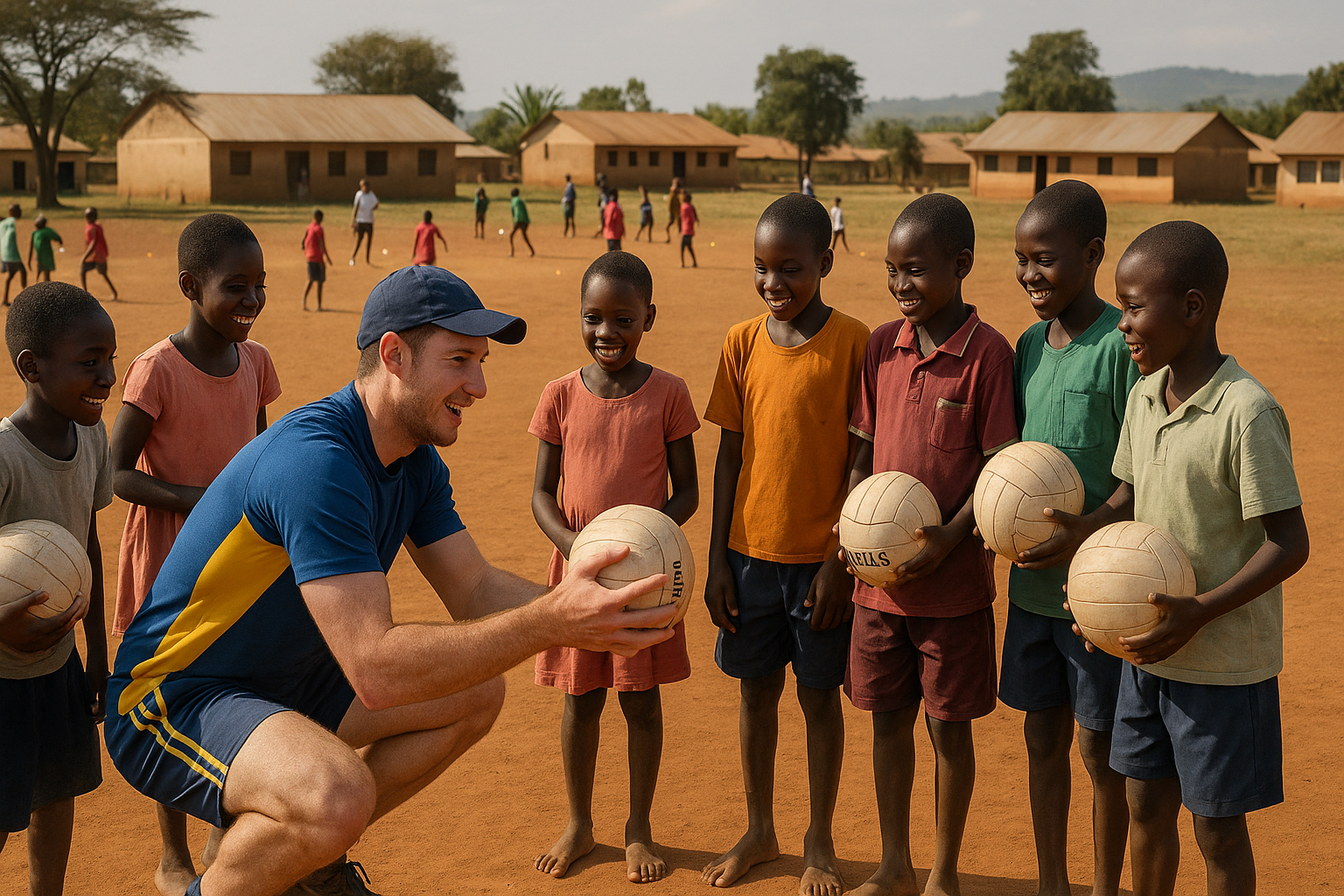
John Conroy, a PE teacher and Clare GAA coach who has spent years volunteering in Uganda, has made history by leading the first-ever GAA Cúl Camp on African soil — bringing the joy of Gaelic games to more than 100 children at Walukuba West Primary School in Jinja, eastern Uganda.
The camp, which took place in April 2026, is the latest milestone in a remarkable story that began when Conroy introduced Gaelic football to a class of deaf children at the school, sparking an explosion of interest that has since seen over 450 children engage with the sport — and led to Gaelic games terminology being incorporated into the official Ugandan Sign Language dictionary.
Background
John Conroy, a County Clare native, has been a driving force behind the growth of Gaelic football in Uganda for over a decade. His volunteer work, initially with Rays of Hope Hospice in Jinja, led him to introduce Gaelic games to a group of deaf pupils at Walukuba West Primary School. What began as an informal session quickly captured the imagination of the children, and word spread rapidly through the school community.
In July 2024, Conroy founded the Nile Óg Cusacks GAA Club — a name that nods to both the River Nile and Cusack Park in Ennis, County Clare, linking the two cultures in a single identity. The club's crest similarly symbolises the bond between Ireland and Uganda, connecting the River Nile with the Poulnabrone Dolmen. The GAA supports the global growth of Gaelic games through its Global Games Development Fund (GGDF), a partnership with the Department of Foreign Affairs, which provides financial assistance for projects that promote Gaelic games and Irish culture worldwide. The Nile Óg Cusacks have benefited from this support, as well as from the backing of the Irish Embassy in Uganda.
In a proud moment for the club, Gaelic games terminology — including "hurling" and "Gaelic football" — was incorporated into the official Ugandan Sign Language dictionary, enabling full participation for deaf players and marking a significant step forward for inclusivity in sport.
Key Developments
The April 2026 Cúl Camp brought together over 100 children from across the school community for a week of coaching, games, and celebration. The camp received strong support from the GAA's international development team, with Ciaran McLoughlin, Head of International Games, providing gear for the event. The Irish Embassy in Uganda was also supportive of the initiative.
Approximately 80 children now train weekly under Ugandan teachers and volunteers using YouTube coaching plans from Ireland, and the school community at Walukuba West has grown to over 1,200 students engaged with the sport. Conroy emphasises that the project promotes inclusion and equality at every level — deaf children train and play alongside their hearing peers, and girls participate alongside boys, with female captains leading teams.
Despite the success, challenges remain. Players often train barefoot, there is a scarcity of shorts — particularly for girls — and pitch conditions are poor. Securing sustainable funding for the growth of the game in a country of 50 million people, half of whom are under 16, remains a significant challenge that Conroy and his supporters are working to address.
Why It Matters
The story of the Nile Óg Cusacks is a testament to the power of sport to build community, foster inclusion, and create connections across cultures. For the GAA — an organisation rooted in the parishes and townlands of Ireland — the Jinja initiative represents something genuinely extraordinary: the organic growth of Gaelic games in a community with no Irish diaspora connection, driven entirely by the enthusiasm of local children and the dedication of one volunteer. It is a reminder that sport, at its best, is not about trophies or television rights but about belonging, identity, and joy.
For the children of Jinja, the Cúl Camp offered not just sporting opportunity but a sense of pride and connection to a global community. The incorporation of Gaelic games into Ugandan Sign Language is a particularly powerful symbol: a sport that began in rural Ireland in the 1880s has now become part of the linguistic heritage of a Ugandan school community.
Local Impact
For GAA clubs across Ireland, including in Northern Ireland, the Nile Óg Cusacks story is an inspiring reminder of the association's global reach and its capacity to bring people together across boundaries of language, culture, and ability. Ulster clubs have a proud tradition of international outreach, and the success of Conroy's initiative in Uganda will resonate strongly with coaches and volunteers who understand the transformative power of Gaelic games at community level. The story also highlights the importance of the GAA's Global Games Development Fund and the role of Irish embassies in supporting cultural diplomacy through sport.
What's Next
Conroy has ambitious plans to host an East African GAA competition in 2027, which would bring together clubs from across the region. The initiative is seeking funding and support to continue its growth. With half of Uganda's 50 million population under the age of 16, the potential for Gaelic games to take root and flourish on the continent is enormous — and the Nile Óg Cusacks have shown that the appetite is there.
Read the full story at Irish Mirror. More from the GAA at GAA.ie.