Citi Opens Landmark €650 Million European Headquarters in Dublin's North Docklands
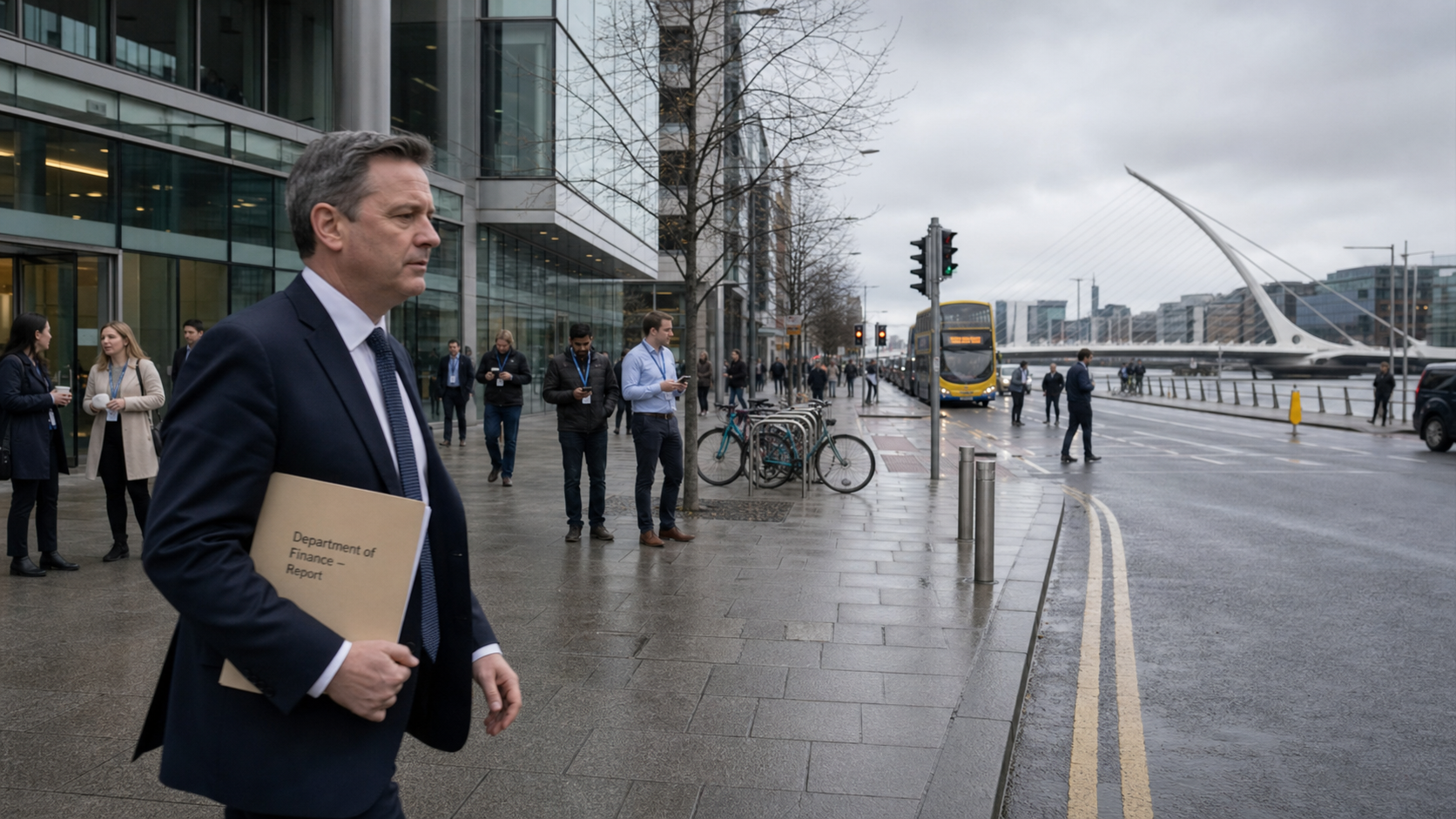
Citigroup has officially opened its new European headquarters at the Waterfront South Central development in Dublin's North Docklands, marking one of the most significant commercial property milestones in the city's recent history. The 12-storey, 459,000 square foot building, developed by Ronan Group Real Estate at a combined cost of approximately €650 million for site acquisition and construction, is designed to be one of the most sustainable offices in Citi's global portfolio. The opening consolidates Dublin's position as one of Europe's leading financial services hubs and represents a major vote of confidence in the city's long-term economic prospects.
Background
Citi has been a significant presence in Dublin since the 1960s, and the city serves as the bank's European headquarters for a range of operations including treasury, technology, and operations functions. The decision to build a new, purpose-designed headquarters at the Waterfront South Central site — one of the last major brownfield development opportunities in the Dublin Docklands — reflects the bank's long-term commitment to Ireland and its confidence in Dublin as a location for high-value financial services employment.
The project was announced in 2023, when Citi entered into a deal with Ronan Group Real Estate to acquire the Waterfront South Central site and construct its new base, while simultaneously selling its existing headquarters at 1 North Wall Quay to RGRE for redevelopment. The transaction was one of the most complex commercial property deals in Dublin's recent history, involving multiple parties and a significant degree of financial engineering.
Construction began in 2024, with a topping-out ceremony held in March 2025 to mark the completion of the building's highest structural point. The project was delivered ahead of schedule, a significant achievement given the complexity of the development and the challenging conditions in the construction sector.
Key Developments
The new headquarters is a 12-storey building with a triple basement, providing approximately 459,000 square feet of commercial space. Citi occupies approximately 300,000 square feet — roughly 65% of the building — with the remainder available for other tenants. The building is targeting a LEED v4 Platinum rating for green building performance, a WiredScore Platinum rating for digital infrastructure, and WELL Platinum certification for its interior spaces. It is also aiming for Zero Carbon certification and a Building Energy Rating of A3.
Sustainable design elements include an HVAC heat pump system, rainwater harvesting, and the use of water-efficient sanitary fittings. During construction, 86.5% of construction waste was diverted from landfills, and granulated blast furnace slag was incorporated into the concrete mix to reduce the project's carbon footprint. The building's sustainability credentials are expected to make it one of the most environmentally advanced commercial buildings in Ireland.
The opening of the new headquarters means that Citi's former premises at 1 North Wall Quay will now transfer to RGRE for redevelopment into a 500,000 square foot commercial property — a further significant addition to Dublin's office stock.
Why It Matters
The opening of Citi's new European headquarters is significant for Dublin and for Ireland's economy for several reasons. It represents a major long-term commitment by one of the world's largest financial institutions to the city, at a time when competition for financial services investment between European cities has intensified following Brexit. Dublin has been one of the primary beneficiaries of the post-Brexit relocation of financial services activity from London, and the Citi headquarters opening reinforces the city's position as a leading European financial centre.
The building's sustainability credentials are also significant in the context of Ireland's broader economic strategy. The government has been working to attract investment in high-value, knowledge-intensive sectors, and the development of world-class, sustainable commercial real estate is an important part of that effort. The Citi headquarters sets a new benchmark for sustainable commercial development in Dublin, and is likely to influence the design standards for future major office developments in the city.
For the North Docklands area, the opening of the headquarters is the latest in a series of major developments that have transformed the district over the past two decades. The area, which was largely derelict in the 1990s, is now one of the most dynamic commercial districts in Europe, home to the European headquarters of some of the world's largest technology and financial services companies.
Local Impact
The new headquarters will employ several thousand people, making it one of the largest single-site employers in the North Docklands. The opening will generate significant economic activity in the surrounding area, with increased footfall benefiting local restaurants, cafés, and retail businesses. The North Docklands is well served by public transport, with the Luas Red Line, Dublin Bus, and the DART all providing access to the area. The opening of the headquarters is also expected to accelerate the development of the remaining sites in the Waterfront South Central scheme, which will ultimately provide additional commercial and residential space in the area.
What's Next
The opening of the Citi headquarters marks the beginning of a new chapter for the Waterfront South Central development. RGRE will now proceed with the redevelopment of the former Citi premises at 1 North Wall Quay, which is expected to be completed within the next two to three years. The broader Waterfront South Central scheme includes additional commercial and residential elements that will be developed over the coming years, further transforming the North Docklands area. Citi has indicated that it will continue to invest in its Dublin operations, with plans to expand its technology and operations functions in the city over the next five years.