Kinahan's Dubai Expulsion Leaves Cartel Boss Facing Uncertain Future as International Net Tightens
The expulsion of Christy Kinahan Sr from Dubai marks a significant moment in the international effort to dismantle the Kinahan Organised Crime Group, leaving the alleged cartel founder with few viable options for relocation as the September 29 departure deadline passes. European intelligence services are monitoring his movements closely, with Africa emerging as a possible destination, though the US government's $5 million bounty and international sanctions significantly limit the number of jurisdictions willing to provide him with a safe haven.
Background
Christy Kinahan Sr's story is one of the most remarkable in the history of Irish organised crime. Born in Dublin in the 1950s, he built the Kinahan Organised Crime Group from modest beginnings into one of the most significant drug trafficking organisations in Europe, with operations spanning Ireland, the United Kingdom, Spain, the Netherlands, and beyond. At its peak, the cartel was estimated to be responsible for a significant proportion of the cocaine and heroin entering Ireland and the UK, and its violence — including a series of high-profile murders — left a trail of devastation in communities across the country.
Kinahan relocated to Dubai in the 2010s, using the UAE's relatively permissive regulatory environment to establish a base of operations for the cartel's financial activities. His presence in Dubai was an open secret for years, but the UAE's reluctance to act against him — despite repeated requests from Irish and European law enforcement — was a source of considerable frustration for investigators. The situation changed dramatically in April 2022, when the United States Treasury Department imposed sanctions on the Kinahan cartel and placed a $5 million bounty on Kinahan Sr's head.
The sanctions, which were the first ever imposed by the US on an Irish criminal organisation, significantly complicated the cartel's ability to operate and placed enormous pressure on the UAE to act. His eldest son, Daniel Kinahan — who had become the public face of the cartel through his involvement in boxing promotion — was subsequently extradited from Dubai to Ireland to face criminal charges.
Key Developments
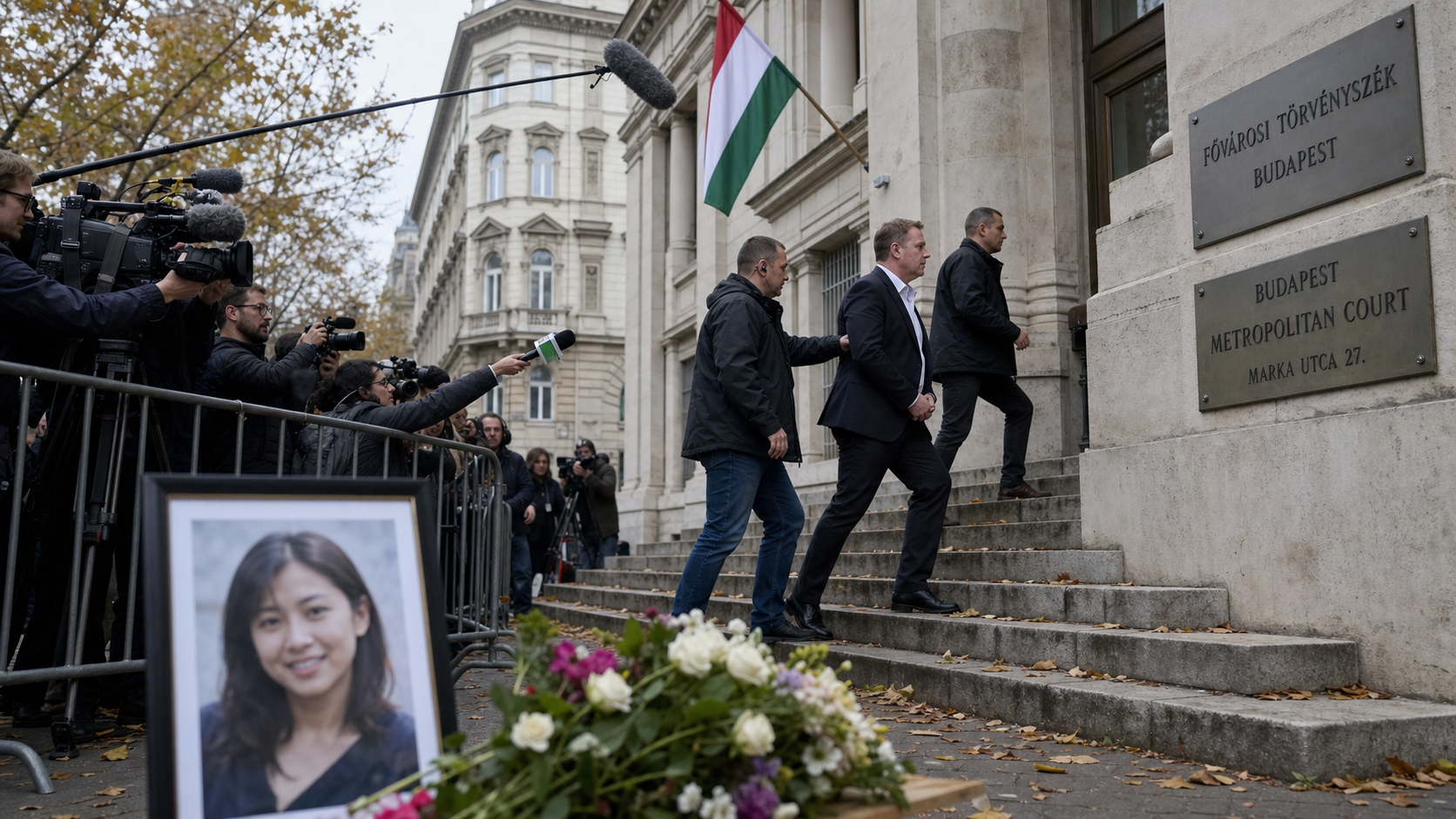
Kinahan Sr's most recent UAE residence visa, sponsored by OSA Management Consultancies DWC LLC, expired on 1 April 2026 and was officially cancelled in UAE government portals on 31 August 2026. Following the revocation of his visa and the exhaustion of his appeals, he was formally instructed to exit the country by 29 September 2026.
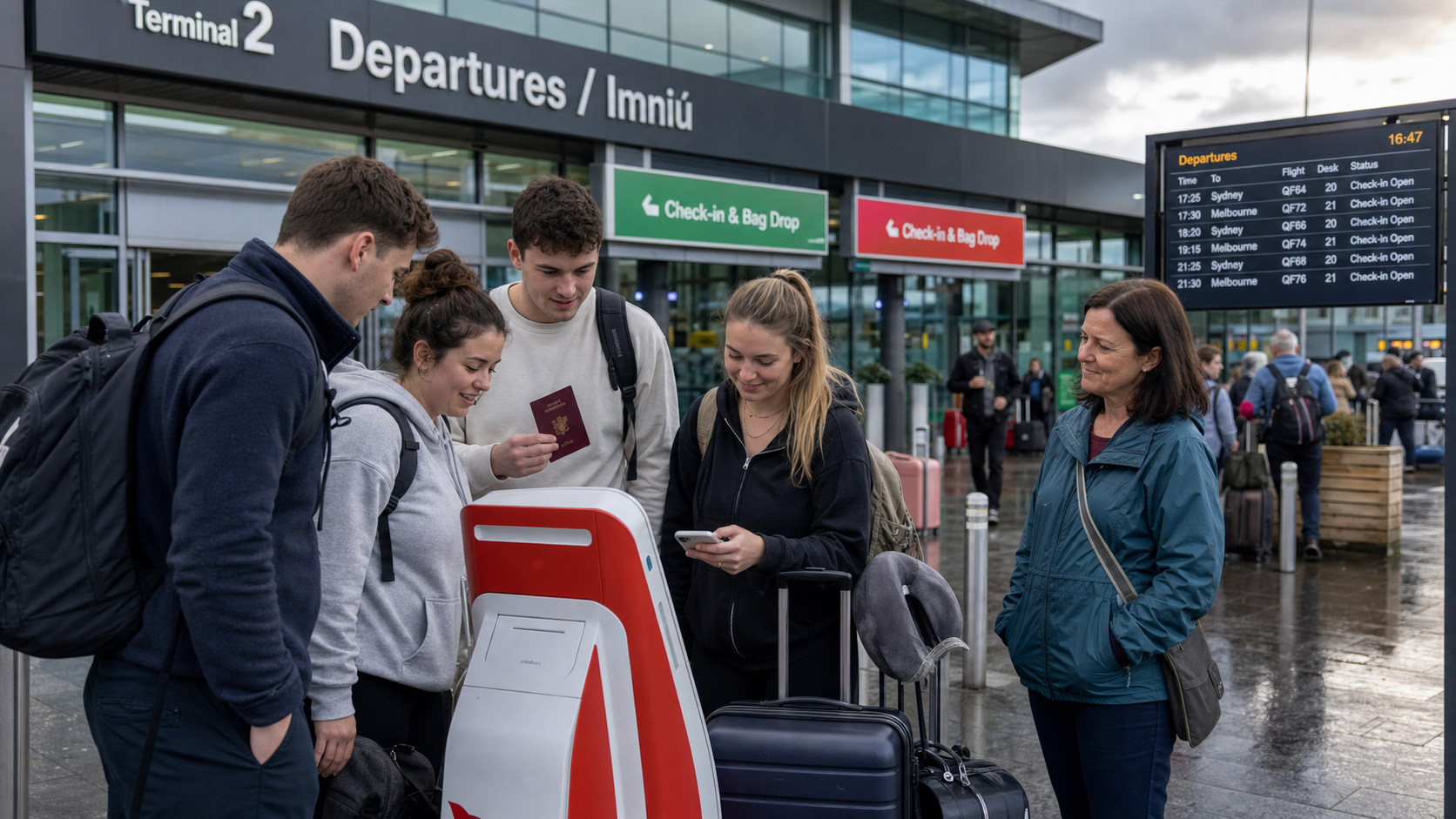
As of the deadline, European intelligence services believed Kinahan remained in Dubai, though there was widespread speculation about his potential flight to other regions. Africa has been mentioned as a possible destination, given the cartel's historical connections to drug trafficking routes through West Africa. However, the US sanctions significantly limit the number of countries willing to provide Kinahan with a safe haven, as any jurisdiction that hosts him risks secondary sanctions from Washington.
The development has been welcomed by Irish law enforcement and by the families of the cartel's victims. The Garda National Drugs and Organised Crime Bureau has been monitoring the situation closely and is expected to intensify its efforts to track Kinahan's movements following his departure from Dubai. Investigators caution, however, that the disruption to the cartel's leadership structure may lead to increased violence as rival factions compete for control.
Why It Matters
Kinahan's expulsion from Dubai matters for the Irish diaspora because the Kinahan cartel's activities have had a devastating impact on Irish communities both at home and abroad. The cartel's drug trafficking operations have fuelled addiction and violence in Irish cities, and its money laundering activities have corrupted legitimate businesses and financial institutions. The international effort to dismantle the organisation — led by the US Treasury Department, Europol, and the Garda — is a matter of direct concern to Irish people wherever they live.
The expulsion also matters because it demonstrates the effectiveness of international sanctions as a tool for disrupting organised crime. The US Treasury Department's 2022 sanctions were a game-changer, and the UAE's decision to cancel Kinahan's visa — coming four years after those sanctions were imposed — suggests that sustained international pressure can eventually produce results even in jurisdictions that have historically been reluctant to act.
Local Impact
In Ireland, the news of Kinahan's expulsion has been received with cautious satisfaction by law enforcement and by the communities most affected by the cartel's activities. The Kinahan organisation has been responsible for a significant proportion of the drug-related violence that has plagued Dublin and other Irish cities in recent years, and its leadership's increasing vulnerability is a positive development for public safety. However, investigators caution that the cartel's operational capacity remains significant, and that the disruption to its leadership structure may lead to increased violence as rival factions compete for control.
What's Next
The immediate question is where Kinahan will go after leaving Dubai. European intelligence services are monitoring his movements closely, and Interpol has been alerted to the possibility that he may attempt to travel to a jurisdiction with limited extradition arrangements with Ireland or the EU. The Garda National Drugs and Organised Crime Bureau has indicated that it will work with international partners to track Kinahan's movements and to pursue any available legal avenues for his prosecution. The US government has indicated that it will continue to enforce its sanctions against the Kinahan cartel regardless of where its leadership relocates.