Belfast's Iconic Strand Cinema Celebrates 90th Anniversary with £7m Revival Plans
East Belfast's beloved Strand Cinema is celebrating its 90th anniversary with the most ambitious chapter in its remarkable history — a £7 million restoration project that will transform Northern Ireland's sole surviving 1930s picture house into a modern arts and community hub while honouring its extraordinary heritage.
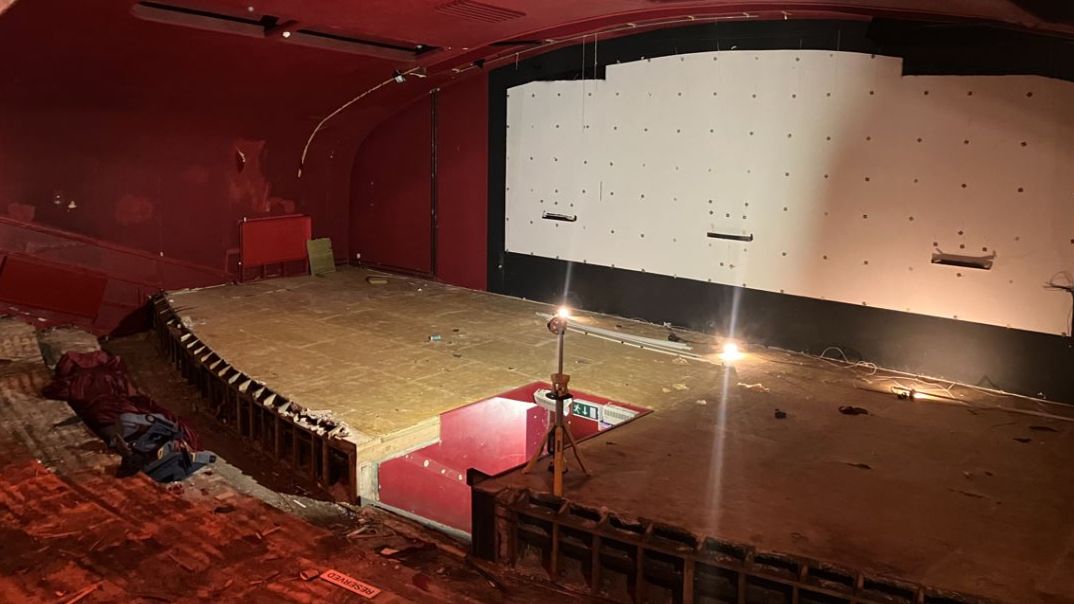
The anniversary celebrations were marked with a special event in the Long Gallery at Stormont, where two new heritage projects were launched: an 80-page illustrated book titled "Strands of Our Picture House Past" and a 15-minute documentary film, "The Strand at 90," narrated by acclaimed Belfast actress and playwright Marie Jones. The restoration itself, which commenced in January 2025, is scheduled for completion in late autumn 2026.
Background
The Strand Cinema first opened its doors on 7 December 1935 with a screening of the Shirley Temple film Bright Eyes, operated by the English-based Union Cinemas chain. Designed by architect John McBride Neill, the building is a striking example of Art Deco and Streamline Moderne architecture, heavily influenced by its proximity to the Harland and Wolff shipyard. Its curved façade resembles a ship's bow, and its interior originally featured porthole-style windows and light fittings, making patrons feel as if they were boarding a transatlantic vessel. The original single auditorium seated 1,170 people across stalls and circle level, with a café on the first floor.
The cinema's history is one of remarkable endurance. During the Belfast Blitz of the Second World War, the Strand remained open, serving as a beacon of hope for the local population amid the destruction wrought by German Luftwaffe bombing raids. It continued to operate throughout the Troubles, adapting at one point to function as a live performance venue hosting internationally recognised acts including Ben E. King and The Drifters, before reverting to a multi-screen cinema. In 2013, to ensure its survival against commercial pressures, the Strand transitioned into the Strand Arts Centre, a not-for-profit charitable trust dedicated to its preservation and community role. A 1999 restoration earned the building a RIBA Architecture Award. Renovation work already underway has unearthed historical artefacts including original 1935 seating, an early speaker, and a tin cup similar to those used by Harland and Wolff workers — a physical reminder of the deep connection between the cinema and the shipyard workers who helped construct its steel frame.
Key Developments
The £7 million restoration is a collaborative effort led by Belfast City Council, supported by The National Lottery Heritage Fund, the UK Government's Levelling Up Fund, and contributions from private trusts, donors, and corporate sponsors. The construction is being managed by Ballymena-based contractor Martin and Hamilton, with design led by Hall Black Douglas architects, creating 150 jobs in the construction sector. The Strand is also engaged in a final fundraising phase, seeking the last £325,000 through a "Name a Seat" initiative that allows individuals and companies to sponsor a seat in one of the new auditoriums.
The restoration is both restorative and transformative. The iconic façade, entrance, and foyer will be retained, with the building's front restored using hand-glazed blue-green terracotta tiles to mirror its original 1935 appearance. A later-added canopy is being removed to restore the building's original profile and allow natural light into a new café bar. The "Strand" name, in its original font, will be placed atop the roof for the first time. Internally, original features including curved ridged walls and porthole lights will be reinstated. The refurbished venue will feature three state-of-the-art cinema screens, with "The Stalls" boasting a 316-inch screen with 4K laser projection and surround sound. For the first time in its history, the building will be made fully accessible with a new lift and level access points throughout.
The commemorative book, compiled and edited by heritage officer Rosie Hickey, explores the cinema's history through personal recollections, historical essays, and archival photographs. The documentary film, by east Belfast filmmaker Ross McClean, features interviews with long-time patrons, exploring the cinema's journey from packed Saturday matinees to its modern reinvention as a multifaceted arts centre.
Why It Matters
The Strand Cinema is more than just a place to watch films. It is a community institution that has played a central role in the cultural life of east Belfast for nine decades, surviving the Blitz, the Troubles, and the rise of multiplex cinemas to remain a cherished local landmark. Its revival is a profoundly positive story for a part of the city that has faced significant challenges, and a powerful reminder of the importance of cultural institutions to community wellbeing and civic identity. The restoration demonstrates what can be achieved when public funding bodies, local government, and community organisations work together to preserve irreplaceable heritage for future generations.
Local Impact
For east Belfast, the Strand's revival carries deep significance. The refurbished building will offer not just cinema screens but dedicated spaces for live performances, creative learning studios, and multi-purpose rooms for community groups and charities. The centre will host a licensed café and an interactive exhibition celebrating the cinema's history. While the main building is closed for renovation, the Strand Arts Centre continues to serve its community from a temporary location at Belmont Bowling Club, maintaining core programming including Silver Screenings for older patrons and free film screenings for low-income families. Upon reopening in late 2026, the Strand will be reborn as a vibrant, accessible, and essential centre for arts, culture, and community life in east Belfast.
What's Next
The restoration is expected to be completed in late autumn 2026, with a reopening celebration planned to mark the occasion. The anniversary programme of special screenings and events will continue throughout 2026, with the completed building set to offer a significantly expanded range of cultural programming. The Strand's story — from a 1930s Art Deco picture palace to a resilient survivor of conflict to the subject of a visionary revival — is one of Belfast's most compelling. Full story from The Irish News. More from BBC News NI.