Belfast Gears Up for Fleadh Cheoil na hÉireann as City Prepares for 800,000 Visitors in August
Belfast is entering the final stages of preparation for hosting the all-Ireland Fleadh Cheoil na hÉireann in August, with the city bracing for an expected 800,000 visitors — a figure that would make it one of the largest gatherings in Belfast's history and a landmark moment for a city that has been steadily building its reputation as a destination for major cultural events.
Background
Fleadh Cheoil na hÉireann — the All-Ireland Festival of Music — is the largest traditional Irish music festival in the world, and one of the most significant cultural events on the Irish calendar. Organised by Comhaltas Ceoltóirí Éireann, the festival brings together the finest traditional musicians, singers, and dancers from across Ireland and the diaspora for a week of competitions, sessions, concerts, and céilís that celebrate the living tradition of Irish music in all its forms.
The Fleadh has been held in towns and cities across Ireland since its foundation in 1951, with each host location experiencing a transformative influx of visitors and a week of cultural celebration that leaves a lasting legacy. Previous host cities have included Ennis, Tullamore, Drogheda, and Sligo, and the economic and cultural impact of hosting the event has been consistently significant. The decision to bring the Fleadh to Belfast for the first time is a historic one — a recognition of the city's growing cultural confidence and of the importance of traditional music in the life of the north of Ireland.
Belfast's traditional music scene has been thriving in recent years, with a network of sessions in pubs and venues across the city providing a vibrant context for the Fleadh's arrival. The Cathedral Quarter, in particular, has established itself as a hub for traditional music, with regular sessions in venues including the Duke of York, the John Hewitt, and the Commercial Court. The Fleadh will build on this existing scene and introduce it to a global audience.
Key Developments
Belfast City Council has been working intensively on the preparations for the Fleadh, approving a range of infrastructure and licensing measures to accommodate the expected influx of visitors. Late-night licensing extensions have been granted to venues across the city centre, allowing sessions and concerts to continue into the early hours — an essential feature of any Fleadh, where the informal sessions that take place in pubs and on street corners are as important as the formal competitions and concerts.
Traffic and travel management plans are being finalised, with Translink — the operator of Belfast's bus and rail services — developing a special programme of services to move visitors around the city during the festival week. The Glider rapid transit service, which runs along the Falls Road and the Newtownards Road, will be a key element of the transport plan, providing high-frequency services between the main festival venues.
The competition programme, which is the formal heart of the Fleadh, will take place across venues throughout the city, with competitions in all categories of traditional music, song, and dance. The All-Ireland champions in each category will be crowned at the end of the festival week, with the results representing the pinnacle of achievement in the traditional music world.
Why It Matters
The Fleadh's arrival in Belfast matters for reasons that extend well beyond the economic impact of 800,000 visitors. Traditional Irish music is one of the most powerful expressions of Irish cultural identity, and its celebration in Belfast — a city whose relationship with Irish cultural traditions has sometimes been complicated by political and sectarian divisions — carries a significance that goes beyond the purely cultural.
The Fleadh is an all-island event, drawing participants and visitors from every county in Ireland and from the diaspora worldwide. Its hosting in Belfast sends a message about the city's openness to all traditions and its capacity to be a welcoming host for an event that is deeply rooted in Irish cultural identity. For the city's tourism and hospitality sector, the Fleadh represents an extraordinary opportunity — a week-long influx of visitors that will test the city's capacity and, if managed well, demonstrate that Belfast can host events of the very highest scale and significance.
Local Impact
The economic impact of the Fleadh on Belfast will be substantial. Hotels across the city are expected to be fully booked for the festival week, with visitors also staying in Airbnb properties, guesthouses, and with friends and family across the greater Belfast area. Restaurants, bars, and cafés will experience a significant surge in demand, and the retail sector will benefit from the increased footfall in the city centre.
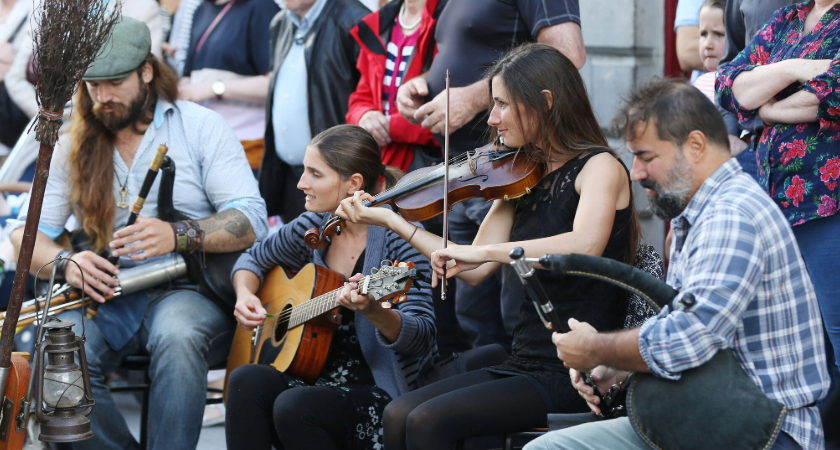
For the traditional music community in Belfast — the musicians, singers, and dancers who have been sustaining the tradition in the city for generations — the Fleadh represents a moment of extraordinary visibility and celebration. The sessions that will take place in pubs and on street corners across the city will bring together musicians from across Ireland and the world, creating connections and collaborations that will enrich the tradition long after the festival week is over.
What's Next
The Fleadh Cheoil na hÉireann is scheduled to take place in Belfast in August 2026, with the exact dates to be confirmed by Comhaltas Ceoltóirí Éireann. Belfast City Council will publish the full traffic and travel management plan in the coming weeks, and Translink will announce its special services programme for the festival period. Registration for the competitions is expected to open shortly, with musicians from across Ireland and the diaspora invited to enter their respective categories.