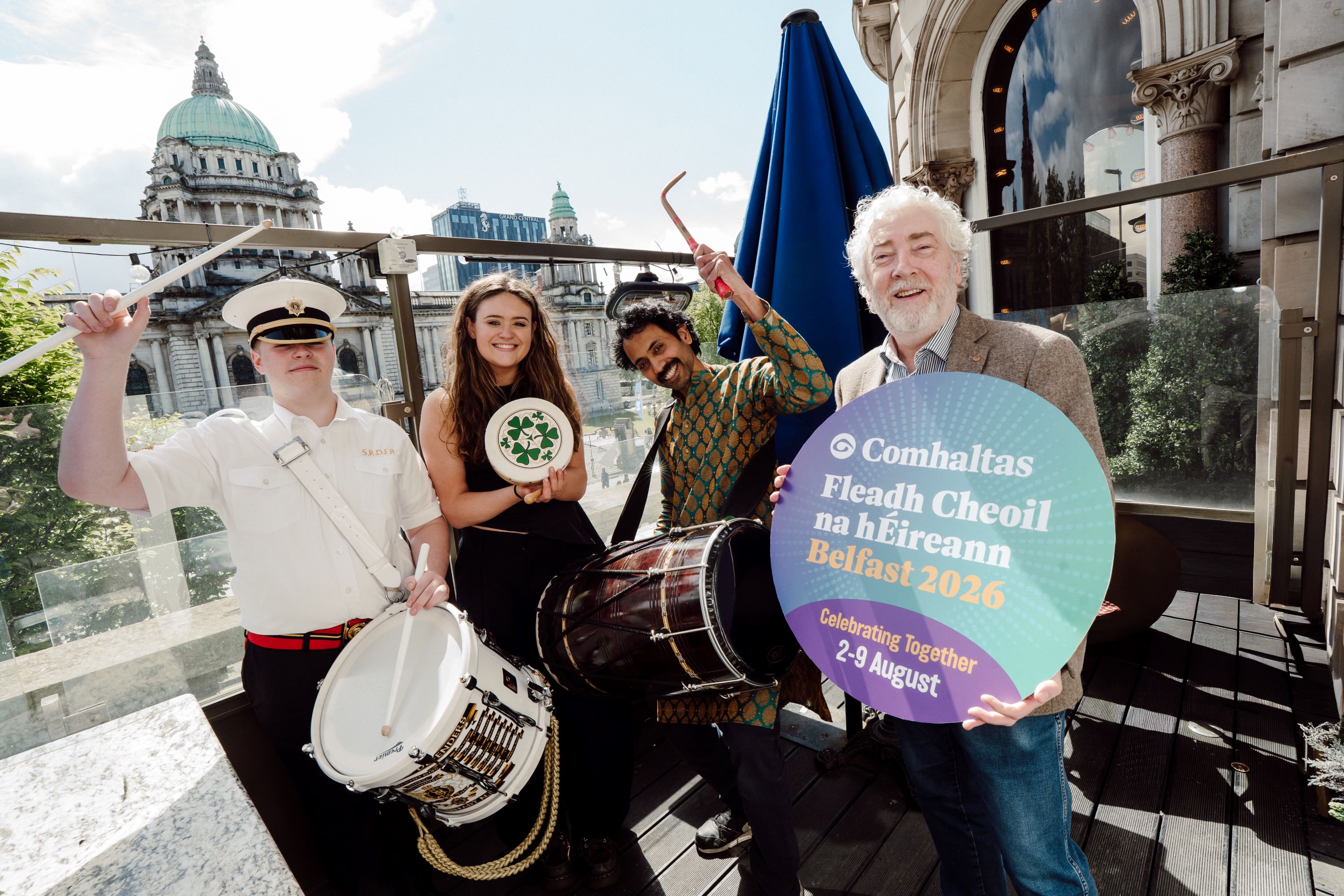
Belfast Finalises Fleadh Cheoil Travel Plan as City Prepares for 800,000 Visitors in August
Belfast City Council has published a detailed traffic and travel management plan for Fleadh Cheoil na hÉireann, which will transform the city centre into the world's largest traditional Irish music festival from 2 to 9 August 2026, with authorities warning that driving into the city during the event will be "strongly inadvisable" and urging the expected 800,000 visitors to plan their journeys well in advance.
Background
Fleadh Cheoil na hÉireann, the annual festival of traditional Irish music, song, and dance organised by Comhaltas Ceoltóirí Éireann, is one of the largest cultural gatherings in Europe. The festival has been held in towns and cities across Ireland since its foundation in 1951, and its arrival in Belfast for 2026 represents a landmark moment — the first time the event has been hosted in the city since 2019, and only the third time in its history that it has taken place in Northern Ireland.
The decision to bring Fleadh Cheoil to Belfast was announced in 2024 and has been the subject of extensive planning by Belfast City Council, Comhaltas, Tourism NI, and a range of other statutory and voluntary bodies. The festival is expected to generate more than £40 million for the local economy, making it the single largest tourism event in Northern Ireland's history. Hotels across the city and surrounding areas have been fully booked for months, and the hospitality sector has been preparing for a surge in demand that will test the city's capacity in ways it has rarely experienced before.
The scale of the logistical challenge is considerable. An event that draws 800,000 people over eight days to a city centre that was not designed for that volume of foot traffic requires careful management of transport, public safety, waste, and business access. The travel plan published today represents the culmination of more than eighteen months of planning work.
Key Developments
The centrepiece of the travel plan is a network of three dedicated park-and-ride sites, each linked to a major motorway approach to the city. The Eikon Exhibition Centre at Lisburn, accessible from the M1, will serve visitors approaching from the south and west. Giant's Park at the north of the city, accessible from the M2, will serve those coming from Antrim, Ballymena, and the north coast. Belfast Harbour, accessible from the M3, will serve visitors arriving from the east and from the ferry terminals at Stena Line and P&O.
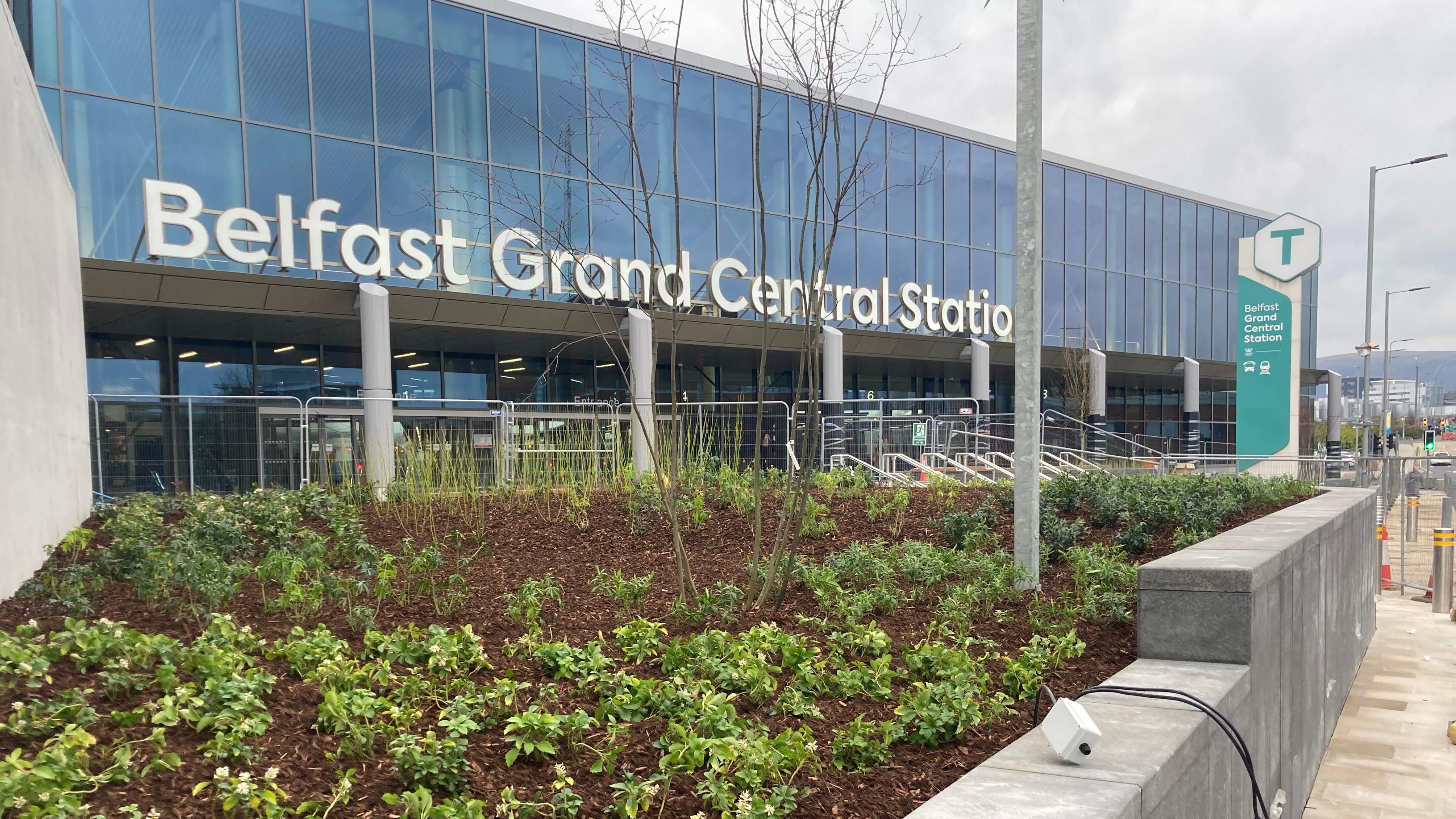
Each park-and-ride site will cost £10 per day, with pre-booking opening on 6 July through the Fleadh Cheoil Belfast website. A free shuttle bus service, operated by Translink, will run continuously between the park-and-ride sites and the city centre throughout the festival, with services operating from 8am until 2am each day. Translink has confirmed that additional bus and rail services will also operate on all routes into Belfast during the festival period.
The city centre itself will be largely pedestrianised during the festival, with vehicle access restricted to essential deliveries and emergency services. A 24/7 logistics hub has been established at the Odyssey Arena car park to coordinate business deliveries, with a booking system allowing traders to schedule delivery windows in advance.
Why It Matters
The hosting of Fleadh Cheoil na hÉireann in Belfast carries a significance that extends well beyond the economic and logistical. The festival is, at its core, a celebration of Irish cultural identity — an identity that has historically been contested in Belfast in ways that it has not been in most other Irish cities. The fact that the festival is being hosted in Belfast with the full support of the city council, which has a cross-community membership, and with enthusiastic engagement from communities across the city, is itself a statement about how Belfast has changed.
For the traditional music community, Belfast's hosting of the Fleadh is also a recognition of the city's own rich musical heritage. The north of Ireland has produced some of the most significant figures in traditional music, from the Bothy Band to Dervish, and the city's session culture — centred on pubs in the Cathedral Quarter and the Markets area — is among the most vibrant in Ireland. The festival will provide a platform for that heritage on a scale that has never previously been available.
Local Impact
The economic impact of the festival will be felt most directly in the city centre, where bars, restaurants, and accommodation providers are anticipating their busiest week in years. The Cathedral Quarter, which will host many of the festival's outdoor stages and sessions, is expected to see footfall increase by several hundred per cent during the event. Businesses in the area have been advised to increase staffing levels and stock in preparation.
Translink has confirmed that the Glider rapid transit service on the east-west corridor will operate at maximum frequency throughout the festival, with additional capacity on the cross-city routes. The Belfast Bikes cycle hire scheme will also be expanded for the duration of the event, with additional docking stations installed at key festival locations.
What's Next
Pre-booking for park-and-ride sites opens on 6 July. A final briefing for city centre businesses will be held at Belfast City Hall on 14 July. Comhaltas has confirmed that the full programme of competitions, concerts, and céilís will be published on 1 July. The festival runs from Saturday 2 August to Sunday 9 August, with the closing concert expected to draw the largest single-day crowd of the event.