Belfast Braces for 800,000 Visitors as Fleadh Cheoil na hÉireann Prepares to Transform the City
Belfast is on the cusp of hosting the largest cultural event in its history, with the Fleadh Cheoil na hÉireann — the world's premier traditional Irish music festival — set to bring an estimated 800,000 visitors to the city between 2 and 9 August. The Fleadh, which Belfast is hosting for the first time, will be preceded by the 8th Belfast TradFest from 26 July to 2 August, creating a fortnight of traditional music that will transform the city into the global capital of Irish culture.
Background
The Fleadh Cheoil na hÉireann is the annual all-Ireland festival of traditional Irish music, song, and dance, organised by Comhaltas Ceoltóirí Éireann, the body responsible for the promotion and preservation of Irish traditional music worldwide. Since its foundation in 1951, the Fleadh has been held in towns and cities across Ireland, from Clones to Ennis, from Tullamore to Drogheda, drawing competitors and visitors from every county on the island and from Irish communities across the globe.
The decision to award the 2026 Fleadh to Belfast was a historic one, marking the first time the festival has been held in the city. The announcement was greeted with considerable excitement across the traditional music community, both because of Belfast's rich musical heritage and because of the symbolic significance of hosting the all-Ireland festival in a city that has historically been associated with division rather than shared cultural celebration. The Fleadh's arrival in Belfast is seen by many as a powerful statement about the city's transformation and its capacity to embrace its Irish cultural identity alongside its other traditions.
The Belfast TradFest, now in its eighth year, has established itself as one of the most respected traditional music festivals in Ireland, attracting world-class performers and a loyal audience from across the island and beyond. Its decision to run immediately before the Fleadh creates a seamless fortnight of traditional music that will give Belfast an unparalleled concentration of cultural activity in the final days of July and the first days of August.
Key Developments
Preparations for the Fleadh are well advanced, with over 1,300 volunteers registered to support the event across its eight days. The scale of the logistical operation required to host 800,000 visitors in a city of 340,000 people is considerable, and Belfast City Council, Tourism NI, and Comhaltas Ceoltóirí Éireann have been working together for over two years to ensure that the infrastructure is in place to deliver a world-class event.
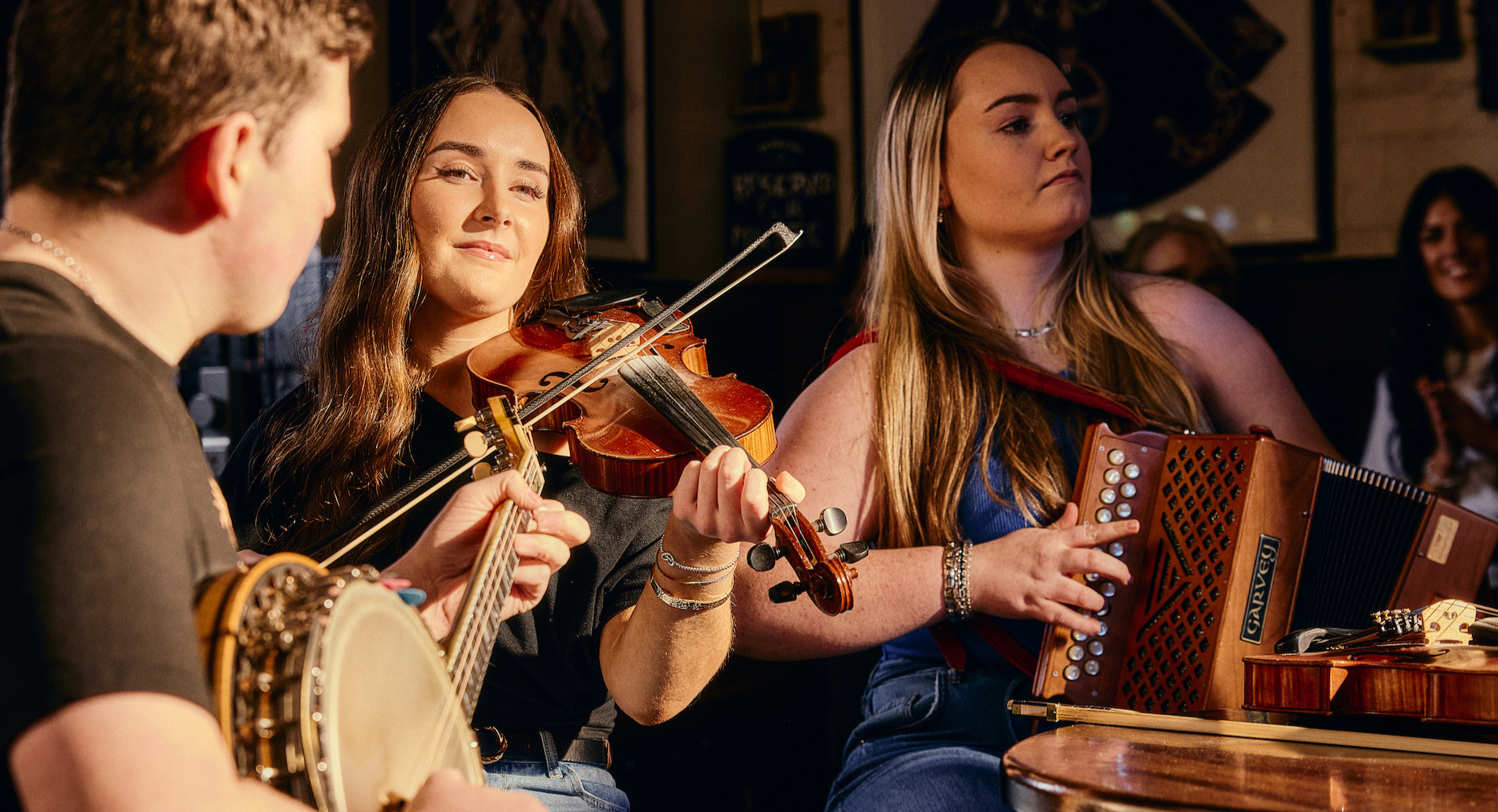
The festival programme includes competitions across all traditional music disciplines — from solo singing and instrumental performance to céilí dancing and set dancing — as well as a packed schedule of concerts, sessions, workshops, and street performances. The competitions, which are the heart of the Fleadh, will take place at venues across the city, from the Ulster Hall and the Waterfront to community halls and schools in neighbourhoods across Belfast.
The Belfast TradFest, which runs from 26 July to 2 August, will feature world-class concerts, a large summer school, and an extensive programme of informal sessions in pubs and venues across the city. The festival has confirmed a lineup that includes some of the most celebrated names in traditional Irish music, with tickets for the headline concerts already sold out.
Why It Matters
The economic impact of hosting the Fleadh Cheoil na hÉireann is expected to be transformative for Belfast. Previous host cities have reported economic benefits of between €40 million and €60 million from the event, driven by accommodation, hospitality, transport, and retail spending by the hundreds of thousands of visitors who attend. For Belfast, which has invested heavily in its tourism infrastructure in recent years, the Fleadh represents an opportunity to showcase the city to a global audience and to demonstrate its capacity to host events of international significance.
The cultural significance of the event is equally important. The Fleadh's arrival in Belfast sends a powerful message about the city's relationship with Irish cultural identity — a relationship that has historically been contested and complex. The fact that the festival is being hosted in a city that is home to both unionist and nationalist communities, and that it is being embraced by civic leaders from across the political spectrum, is itself a statement about the progress that Belfast has made in building a shared cultural space.
This is the first time in the Fleadh's 75-year history that it has been held in Belfast, a milestone that reflects both the city's growing confidence as a cultural destination and the broader normalisation of Irish cultural expression in a city that was, for much of the twentieth century, defined by political and sectarian conflict.
Local Impact
The practical impact on Belfast's neighbourhoods will be significant. The Cathedral Quarter, the city centre, and areas along the Lagan waterfront are expected to be the focal points of the festival's public programme, with street sessions, outdoor performances, and informal gatherings transforming the urban landscape. Pubs and venues across the city have been preparing for months, with many investing in additional staff and extended opening hours to cater for the expected influx.
Translink has confirmed that additional bus and rail services will be laid on for the duration of the Fleadh, with the Glider rapid transit service on the Falls Road and Newtownards Road corridors expected to carry significantly increased passenger numbers. The city's hotels and guesthouses are fully booked for the festival period, with many visitors opting to stay in Antrim, Down, and Armagh and commute into the city for the day's events.
What's Next
The Belfast TradFest opens on 26 July, with the Fleadh Cheoil na hÉireann following on 2 August and running until 9 August. The all-Ireland finals in the senior competition categories will take place on the final weekend, with the results eagerly anticipated by traditional music communities across the island. Belfast City Council has indicated that it will commission a full economic and cultural impact assessment of the event, with the results expected to be published in the autumn.