BBC Upholds Complaints Over Racial Slur Broadcast During BAFTA Film Awards
The BBC's Executive Complaints Unit has upheld complaints over the broadcast of a racial slur during the BAFTA Film Awards, ruling that its inclusion in the live transmission breached the corporation's editorial standards on harm and offence — and that leaving the unedited recording on iPlayer until the following morning was a "serious mistake" that aggravated the offence.
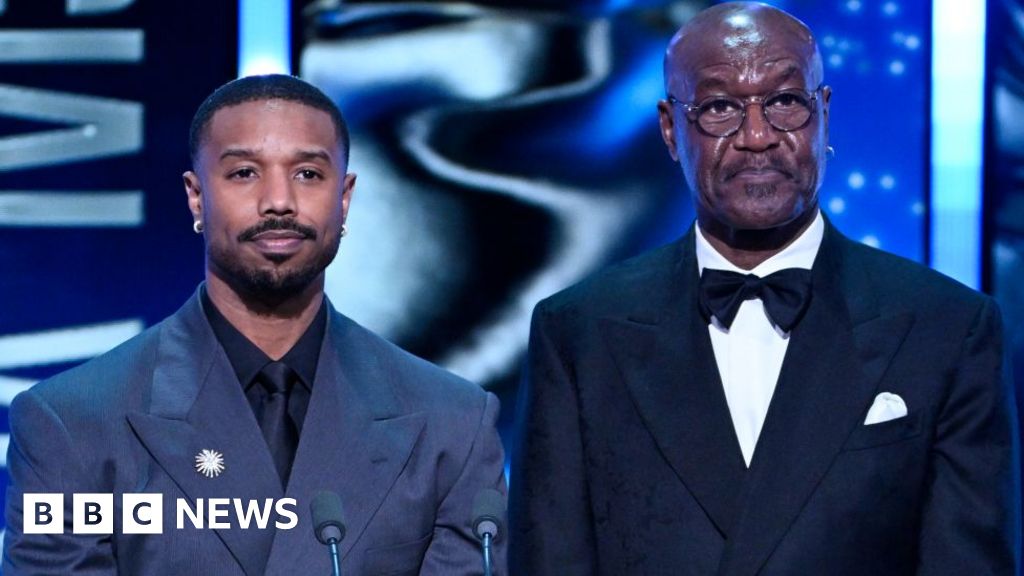
The incident, which occurred during the February ceremony, involved a Tourette syndrome campaigner involuntarily shouting the N-word while actors Michael B. Jordan and Delroy Lindo were presenting an award. The slur was not edited out of the subsequent BBC One broadcast, which aired with a two-hour delay, and the ceremony remained available to stream on iPlayer until the following morning.
Background
The BAFTA Film Awards ceremony took place in February 2026 and was broadcast on BBC One. The incident involving the Tourette syndrome campaigner, John Davidson, occurred during a live moment at the ceremony. Davidson, who was seated near a microphone, involuntarily shouted the slur — a recognised symptom of his condition. The production team did not hear the word at the time it was said, and no deliberate decision was made to include it in the broadcast.
However, the BBC's editorial standards require that offensive language of this nature be identified and removed before broadcast, particularly given the two-hour delay between the live event and transmission. The team had correctly identified and edited out a subsequent use of the same word, in line with pre-agreed protocols — making the failure to catch the first instance all the more significant.
Key Findings
The ECU received a "large number of complaints" regarding the coverage and upheld those related to editorial standards on harm and offence. Its investigation found that the inclusion of the N-word in the broadcast was "highly offensive, had no editorial justification and represented a breach of the BBC's editorial standards."
While the ECU concluded that the breach was unintentional, it was particularly critical of the decision to leave the unedited recording on iPlayer until Monday morning. A "lack of clarity among the team" regarding the audibility of the word on the recording led to the delay in its removal — a failure the ECU described as a "serious mistake" that "aggravated the offence caused."
Reactions
Kate Phillips, the BBC's chief content officer, stated that the corporation has expressed "profound regret" for the incident and has directly apologised to Delroy Lindo, Michael B. Jordan, and Sinners co-star Wunmi Mosaku, as well as to Davidson himself. Mosaku, who won Best Supporting Actress at the ceremony, indicated she had "no hard feelings" towards Davidson but felt the BBC's failure to edit out the slur had "tainted" the event.
Davidson questioned why he had been seated near a microphone and suggested the BBC should have "worked harder to prevent anything that I said" from being aired.
What the BBC Is Doing
The BBC is implementing a series of measures in response to the ECU's findings, including improvements to pre-event planning, enhanced production monitoring at live events, and clearer iPlayer takedown processes to ensure that offensive content can be removed swiftly when required.
The ECU also addressed separate complaints regarding the editing of director Akinola Davies Jr.'s acceptance speech, where remarks including "Free Palestine" were removed. The ECU dismissed these complaints, concluding that the edits were made due to time restrictions to fit a three-hour recording into a two-hour transmission slot, and not for reasons of impartiality.
Why It Matters
The ruling raises important questions about the BBC's live event production standards and the safeguards in place to prevent offensive content from reaching audiences. The BAFTA Film Awards is one of the most prestigious events in the British entertainment calendar, broadcast to millions of viewers on BBC One. The corporation's handling of the incident — and its response to the ECU's findings — will be closely scrutinised by both the public and the broadcasting regulator Ofcom.
What's Next
The BBC has committed to implementing the improvements identified by the ECU before its next major live event broadcast. The full ECU ruling is available on the BBC's website.
Read the full report at The Guardian's coverage of the BBC's BAFTA ruling.