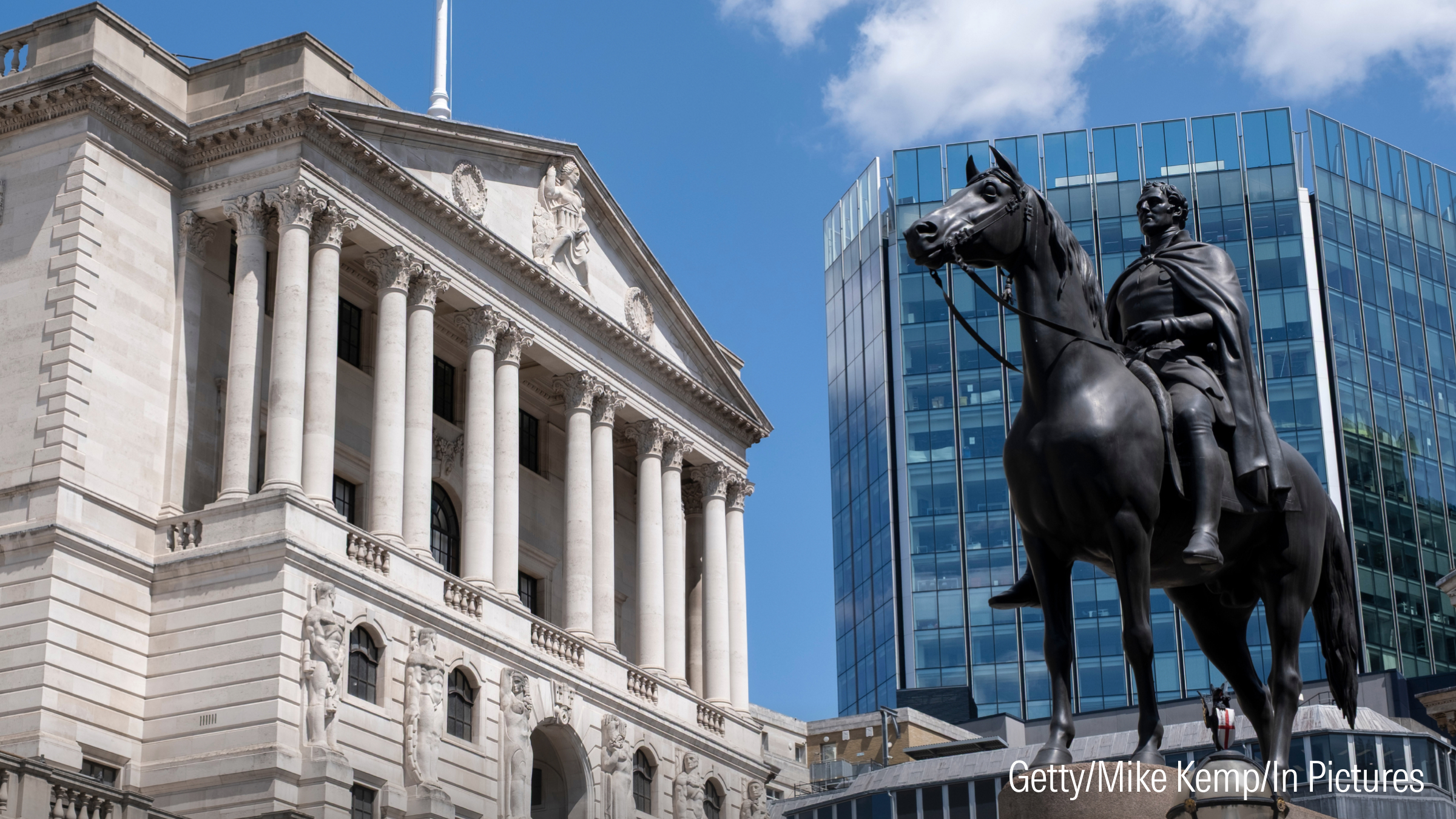
Bank of England Deputy Governor Warns Stock Market Crash Is Coming as FTSE Hits 10,000
In an unusually direct public intervention, Sarah Breeden, the Bank of England's Deputy Governor for Financial Stability, has warned that a stock market crash is coming and that the UK financial system is not adequately prepared to absorb the shock — a warning delivered even as the FTSE 100 index closed above 10,000 points for the first time in its history, a milestone that Breeden herself describes as a symptom of dangerous overvaluation.Background
The FTSE 100's rise above 10,000 points is, on the surface, a cause for celebration. It represents a doubling of the index's value over the past decade and reflects the global appetite for equities in an era of historically low interest rates. But the Bank of England's financial stability team has been growing increasingly concerned that the gap between asset prices and underlying economic fundamentals has become dangerously wide.
The context for Breeden's warning is a confluence of risks that, taken individually, would each be cause for concern. Taken together, they represent a threat to financial stability that the Bank believes is not adequately priced into markets. The Iran conflict, which has disrupted oil and gas supplies through the Strait of Hormuz, has been labelled by the International Energy Agency as the biggest energy shock in history. The Resolution Foundation estimates this shock could result in an £11 billion hit to UK family finances in 2026 alone.
At the same time, the "shadow banking" system — the network of hedge funds, private equity firms, and private credit providers that operate outside traditional banking regulation — has grown to a scale that has never been stress-tested. The private credit market alone has swelled to over $2 trillion globally, and Breeden fears it could trigger a credit crunch potentially larger than the 2008 mortgage crisis if conditions deteriorate sharply.
Key Developments
Breeden identified three specific risks in her public warning. First, an overvalued stock market where asset prices are at all-time highs despite significant economic headwinds. Second, a potential technology investment bubble, where hundreds of billions of dollars have been poured into infrastructure that could be rendered non-functional by geopolitical disruptions affecting raw material supplies for microchips. Third, the explosive and unregulated growth of the shadow banking system, particularly the private credit market.
KPMG economics forecasts that UK headline inflation will rise from the third quarter of 2026, potentially peaking above 3.5% — well beyond the Bank of England's 2% target. Consequently, the Bank has adopted a cautious stance, holding interest rates steady in March 2026 and signalling that cuts are unlikely in the immediate future. UK GDP is forecast to grow by a meagre 0.7% in 2026. In Ireland, the Bank of Ireland has revised its forecast for Irish GDP growth down to 1.6% for 2026, citing the impact of the Middle East conflict on global trade and energy prices. Irish inflation is now expected to average 3.3% in 2026.
Why It Matters
Central bank officials rarely issue warnings of this directness. When they do, it is because they believe the risks are real and that markets are not taking them seriously enough. Breeden's intervention is a signal that the Bank of England is genuinely alarmed — not just about the Iran energy shock, which is visible and quantifiable, but about the hidden vulnerabilities in the financial system that could amplify any shock into a crisis.
The comparison to 2008 is not made lightly. The mortgage crisis of that year was triggered by a relatively contained problem in the US subprime market that cascaded through a financial system riddled with hidden leverage and interconnections that regulators did not fully understand. The private credit market of 2026 has some of the same characteristics: rapid growth, limited transparency, and untested resilience. If Breeden is right, the question is not whether a correction is coming but how severe it will be.
Local Impact
For households across the UK and Ireland, the practical implications of Breeden's warning are already being felt. Energy bills are rising as the Iran conflict disrupts supply chains. Mortgage holders on variable rates are facing higher payments as the Bank of England holds rates steady. Consumer spending is expected to be weak throughout 2026, which will affect retailers, hospitality businesses, and the broader service sector. In Northern Ireland, where the economy is more dependent on public sector employment than in Great Britain, the impact of a broader financial shock would be cushioned somewhat — but not eliminated. The housing market, which has shown signs of recovery, could be particularly vulnerable to a sharp rise in interest rates.
What's Next
The Bank of England's next Monetary Policy Committee meeting is scheduled for May 2026, at which the committee will decide whether to hold or adjust interest rates in light of the latest inflation data. The Financial Policy Committee, which Breeden chairs, will publish its next Financial Stability Report in June. KPMG's forecast of inflation peaking above 3.5% in the third quarter will be a key data point. Markets will be watching closely for any sign that the Bank is preparing to act — either by raising rates to combat inflation or by deploying emergency liquidity measures if financial conditions deteriorate sharply.
Sources: Tax Research UK | Resolution Foundation