Argentina Stun England 2-1 in World Cup Semi-Final as Cape Verde's Irish-Born Lopes Eyes Historic Knockout Run
Argentina have advanced to the 2026 FIFA World Cup final after a dramatic 2-1 comeback victory over England in Atlanta, setting up a mouth-watering final against Spain on July 19 at the New York/New Jersey Stadium — a result that has added further intrigue to the tournament's remaining group stage fixtures, including Cape Verde's campaign, in which Irish-born Shamrock Rovers captain Roberto 'Pico' Lopes is playing a central role as the island nation eyes a historic place in the knockout rounds.
Background
The 2026 FIFA World Cup, co-hosted by the United States, Canada, and Mexico, has been one of the most dramatic and unpredictable tournaments in recent memory. The expanded 48-team format, introduced for this edition, has produced a series of upsets and surprises that have kept fans across the globe — including Ireland's substantial football-watching community — glued to their screens throughout the group stage and into the knockout rounds.
Argentina, the reigning world champions, entered the tournament as one of the favourites, buoyed by the continued brilliance of their squad and the experience of their 2022 triumph in Qatar. England, meanwhile, arrived in North America with high expectations under manager Thomas Tuchel, having qualified comfortably and having shown impressive form in the build-up to the tournament. The semi-final between the two nations was one of the most anticipated matches of the knockout stage.
The tournament has also provided a remarkable subplot for Irish football fans in the form of Cape Verde's participation. The west African island nation, making their World Cup debut, have been one of the stories of the group stage, and their squad includes Roberto 'Pico' Lopes — the Shamrock Rovers captain and Dublin native who qualifies for Cape Verde through his father. Lopes is the only Irish-born player at the 2026 World Cup, and his performances have been followed with great interest in Ireland.
Key Developments
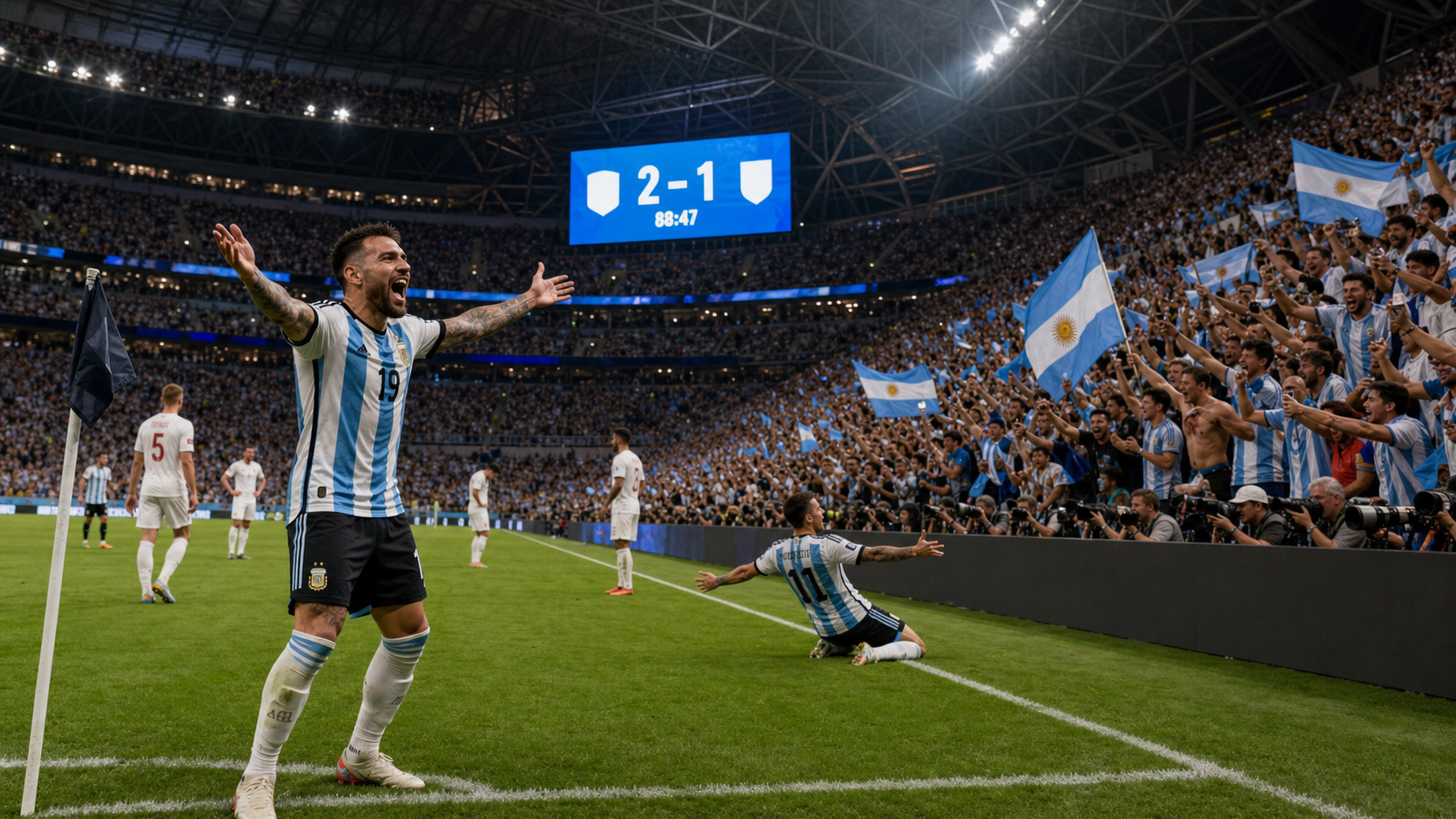
The semi-final between Argentina and England, played at the Atlanta Stadium on July 15, produced a result that will be debated for years. England took the lead through a first-half goal and appeared to be on course for a place in the final, but Argentina — with the composure and quality that has characterised their play throughout the tournament — fought back to win 2-1 with goals in the second half. The Argentine celebrations after the final whistle were marked by controversy, with players displaying a banner referencing the Falkland Islands — a gesture that drew sharp criticism from the British government and from football authorities.
Argentina will now face Spain in the final on July 19 at the New York/New Jersey Stadium. Spain, who drew 0-0 with Cape Verde in the group stage, have been one of the most impressive teams of the tournament, combining technical excellence with tactical discipline. The final promises to be one of the great occasions in recent World Cup history.
For Cape Verde, the Argentina-Spain final has added significance. Having held Spain to a goalless draw in the group stage — a result in which Pico Lopes was central to the defensive performance — Cape Verde are aware that they have already demonstrated their ability to compete with the very best. Their remaining group stage fixtures will determine whether they can advance to the knockout rounds for the first time in their history.
Why It Matters
The World Cup semi-final matters for Irish football fans for several reasons. The drama of the Argentina-England match — the comeback, the controversy, the quality of the football — is the kind of occasion that transcends national allegiances and draws in viewers who might not otherwise follow international football closely. The tournament has been a reminder of why the World Cup remains the most watched sporting event on the planet.
The Cape Verde subplot is particularly significant for Irish audiences. Pico Lopes's presence in the tournament — as the only Irish-born player — gives Irish fans a direct connection to the action that goes beyond mere neutrality. His performances have been a source of pride for the League of Ireland and for the Irish football community more broadly, and the prospect of Cape Verde advancing to the knockout rounds would be a remarkable achievement that would reflect well on the domestic game that produced him.
The tournament has also provided a platform for discussions about the nature of international football eligibility and the complex identities of players who represent nations other than their country of birth. Lopes's story — a Dubliner representing Cape Verde — is one of many such stories at the 2026 World Cup, and it raises interesting questions about the relationship between heritage, identity, and sporting allegiance.
Local Impact
In Ireland, the World Cup has been generating significant interest, with pubs, sports bars, and community venues across the country showing matches throughout the tournament. The Argentina-England semi-final attracted particularly large audiences, with the drama of the result and the controversy of the post-match celebrations providing plenty of talking points for the following day's sports coverage.
Cape Verde's matches have attracted a dedicated following among Irish football fans, driven by the Pico Lopes connection and by the general appeal of an underdog story. Shamrock Rovers have been showing Cape Verde's matches at Tallaght Stadium, and the club's social media channels have been active in celebrating their captain's World Cup adventure. The League of Ireland has also been using the occasion to promote the domestic game and to highlight the quality of the players it produces.
In the Cape Verdean community in Ireland — concentrated primarily in Dublin and Limerick — the World Cup has been a source of enormous pride and excitement. Community gatherings to watch Cape Verde's matches have been a feature of the tournament, and the prospect of a historic knockout round appearance has generated a level of anticipation that has rarely been seen in the community before.
What's Next
The 2026 FIFA World Cup final between Argentina and Spain takes place on July 19 at the New York/New Jersey Stadium. Cape Verde's remaining group stage fixtures will determine whether they advance to the knockout rounds, with the results of other teams in their group also playing a role. Pico Lopes and his Cape Verde teammates are expected to give everything in their remaining matches as they chase a historic place in the last 16. Irish football fans will be watching closely, with a particular eye on the performance of the League of Ireland's most famous current export.