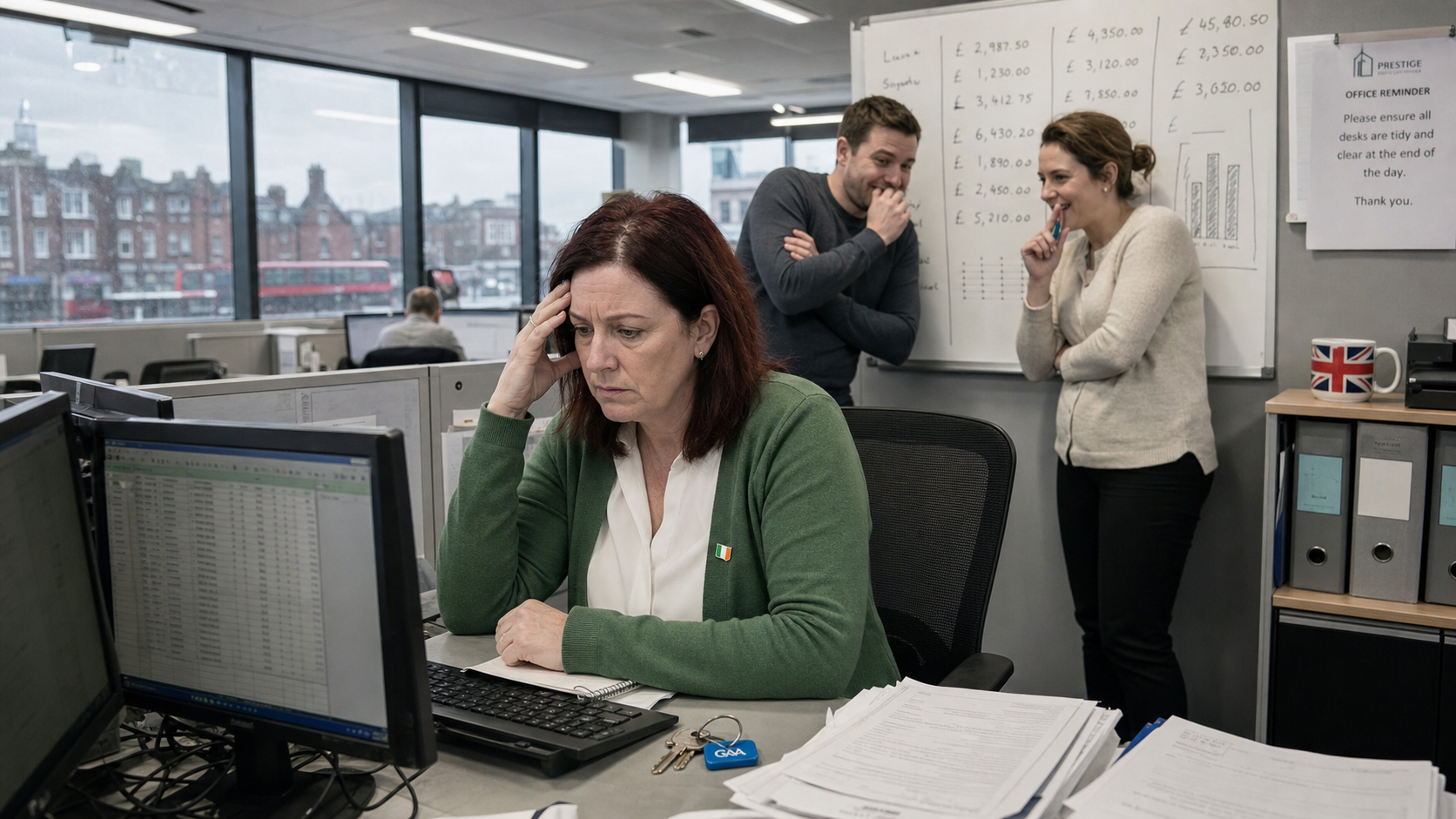
Anti-Irish Sentiment in Britain: 'I Feel Like I Am Back in the 1980s' as Tribunal Awards £23,000 to Harassed Worker
A UK employment tribunal has awarded £23,000 in compensation to an Irish bookkeeper who was subjected to sustained racial harassment in her workplace, including being called "paddy" and having the word "potato" shouted at her by colleagues. The case has prompted a wider and deeply uncomfortable conversation about the experience of Irish people in Britain today, with many members of the diaspora reporting that the hostile rhetoric they encounter has intensified significantly since Brexit.
Background
The Irish community in Britain is one of the largest and most established diaspora communities in the world. Millions of people of Irish descent live in England, Scotland, and Wales, and the Irish-born population of Britain numbers in the hundreds of thousands. For most of the post-war period, the relationship between the Irish community and the broader British public has been one of gradual integration and mutual acceptance, with the worst of the anti-Irish prejudice that characterised earlier decades fading as the communities became more intertwined.
But the Brexit referendum of 2016 and its aftermath have, according to many members of the Irish community in Britain, created a new and more hostile environment. The political discourse around immigration and national identity that accompanied Brexit — and that has continued in various forms since — has, some argue, legitimised forms of prejudice that had previously been considered unacceptable. For Irish people in Britain, this has sometimes manifested in a revival of the kind of casual anti-Irish sentiment that many had hoped was confined to history.
The employment tribunal case that has now attracted national attention is a concrete and legally documented example of this phenomenon. The bookkeeper, who has not been publicly identified, brought her case after experiencing a sustained pattern of harassment in her workplace that her employer failed to address. The tribunal found that the harassment constituted racial discrimination under the Equality Act 2010 and awarded compensation accordingly.
Key Developments
The Irish Times has been collecting testimonies from Irish people in Britain about their experiences of anti-Irish sentiment, following the tribunal case. The responses, published this week, paint a mixed but often troubling picture. Many respondents described feeling broadly welcomed in Britain and having positive relationships with British colleagues, neighbours, and friends. But a significant number also described experiences of prejudice — some casual and thoughtless, others more deliberate and hostile — that they had not encountered before Brexit.
"I feel like I am back in the 1980s," one respondent told the Irish Times. "I have lived in England for twenty years and I have never experienced anything like what I have experienced in the past few years. The Brexit vote seemed to give some people permission to say things that they would never have said before." Another respondent described being told to "go back to your own country" by a neighbour, an experience they described as "shocking and deeply upsetting."
Not all the testimonies were negative. Several respondents described Britain as a welcoming and tolerant country where they had built happy and fulfilling lives, and where anti-Irish sentiment was the exception rather than the rule. But the volume and consistency of the negative experiences described — and the specific connection many respondents drew with Brexit — suggests that something has shifted in the social environment for Irish people in Britain.
Why It Matters
The anti-Irish sentiment story matters because it challenges a comfortable narrative about the Irish experience in Britain. The story that is most often told — of Irish immigrants who arrived in difficult circumstances and built successful lives, of a community that has integrated while maintaining its identity, of a relationship between the two islands that has been transformed by the peace process and by shared EU membership — is a broadly accurate one. But it is not the whole story, and the testimonies collected by the Irish Times suggest that for some members of the Irish community in Britain, the experience is more complicated and more painful than the comfortable narrative allows.
The Brexit dimension is particularly significant. The decision to leave the EU has had profound consequences for the relationship between Ireland and Britain — consequences that are still unfolding. For Irish people living in Britain, the loss of EU citizenship rights, the complications around travel and residency, and the political discourse that accompanied Brexit have all contributed to a sense of uncertainty and, in some cases, of unwelcome. The tribunal case and the testimonies it has prompted are a reminder that these consequences are not merely abstract or political — they are felt in the daily lives of real people.
The legal dimension is also important. The tribunal's finding that the harassment constituted racial discrimination under the Equality Act is a reminder that anti-Irish prejudice is not merely a social problem but a legal one — that Irish people in Britain have the same legal protections against racial harassment as any other group, and that employers who fail to protect their Irish employees from such harassment can face significant legal and financial consequences.
Local Impact
In Ireland, the tribunal case and the testimonies it has prompted have been received with a mixture of concern and solidarity. The Irish government's Diaspora Strategy 2026-2030, which was launched earlier this year, explicitly commits to supporting Irish people living abroad who face discrimination or difficulty, and the Department of Foreign Affairs has indicated that it is monitoring the situation in Britain closely. Several Irish community organisations in Britain have reported an increase in contacts from Irish people seeking advice and support in relation to experiences of discrimination.
What's Next
The Irish Times has indicated that it will continue to collect and publish testimonies from Irish people in Britain about their experiences of anti-Irish sentiment, with a view to building a comprehensive picture of the phenomenon and its extent. The Irish government is expected to raise the issue in the context of its ongoing engagement with the UK government on matters relating to the Irish community in Britain. The Irish in Britain organisation, which advocates for the rights and welfare of the Irish community in the UK, has called for a formal government inquiry into the prevalence of anti-Irish discrimination and the adequacy of existing legal protections.