A Vision of Hope: Six-Year-Old's Sight Restored by GOSH Gene Therapy
In a remarkable medical success story, a six-year-old girl from Hertfordshire has had her sight restored following pioneering gene therapy at Great Ormond Street Hospital (GOSH). The life-changing treatment for a rare form of genetic blindness marks a significant milestone for medical science in the United Kingdom. This news comes alongside another major breakthrough from a UK trial for bowel cancer, where an immunotherapy drug has shown unprecedented success in preventing relapses.
Background
Leber's congenital amaurosis (LCA) is a rare and devastating genetic condition that affects the retina, causing severe vision impairment from infancy. Children born with this mutation face a progressive deterioration of their sight, particularly in low light, with many facing the prospect of complete blindness in adulthood. For families affected by LCA, the diagnosis has historically offered little hope for treatment, leaving them to navigate a world with diminishing light.
Great Ormond Street Hospital, a world-renowned paediatric facility in London, has long been at the forefront of genetic research and innovative treatments. The hospital's dedicated teams have been instrumental in developing and administering novel therapies for some of the rarest and most complex childhood diseases. The treatment used in this case, Luxturna, is a form of gene therapy specifically designed to correct the faulty gene responsible for this type of LCA, representing a new frontier in ophthalmic medicine.
This breakthrough is part of a broader wave of advancements in gene and immunotherapy across the UK. These fields of medicine, which involve editing a patient's genes or harnessing their immune system to fight disease, are offering new hope for conditions that were once considered untreatable, from rare genetic disorders to common cancers.
Key Developments
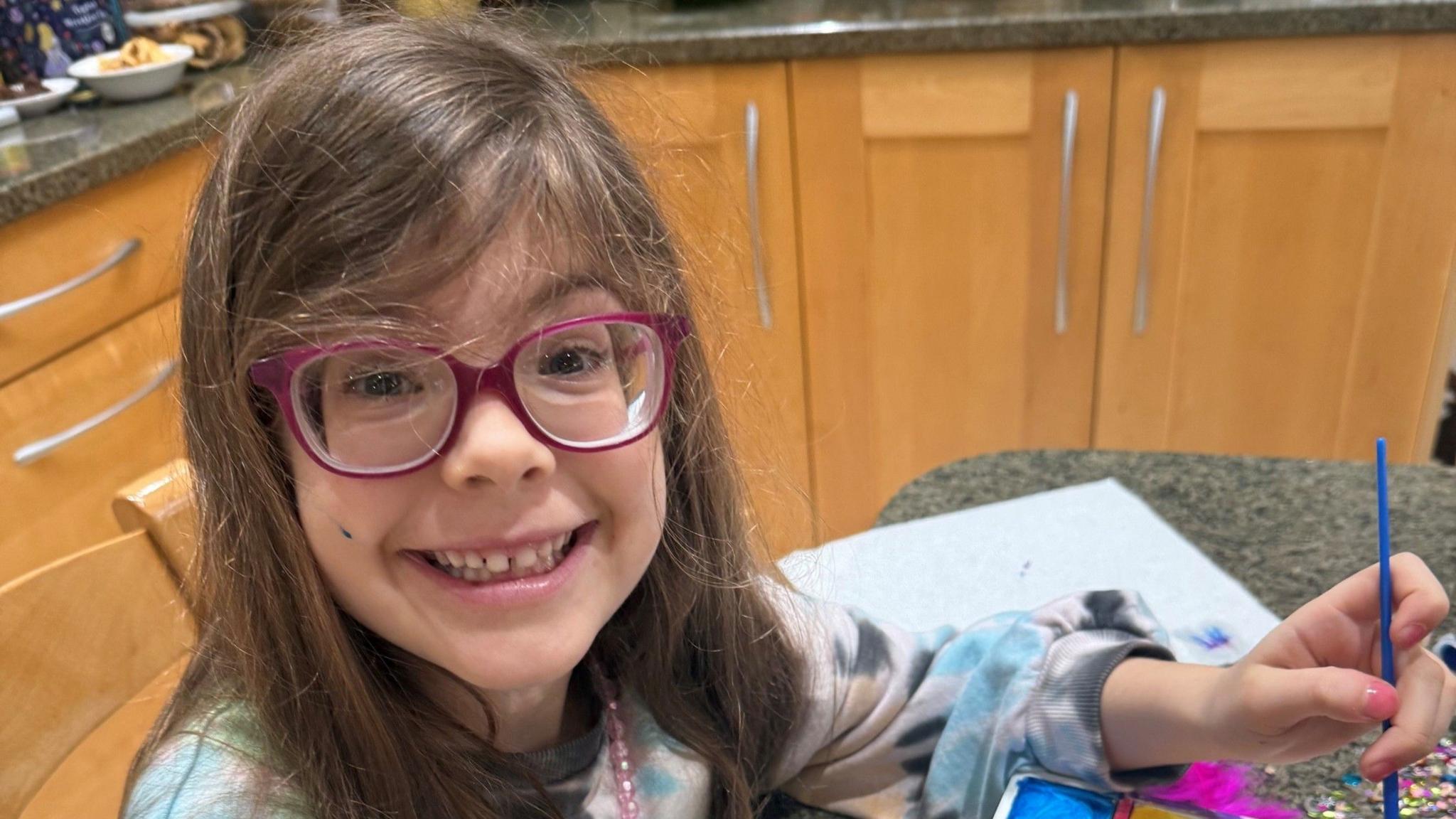
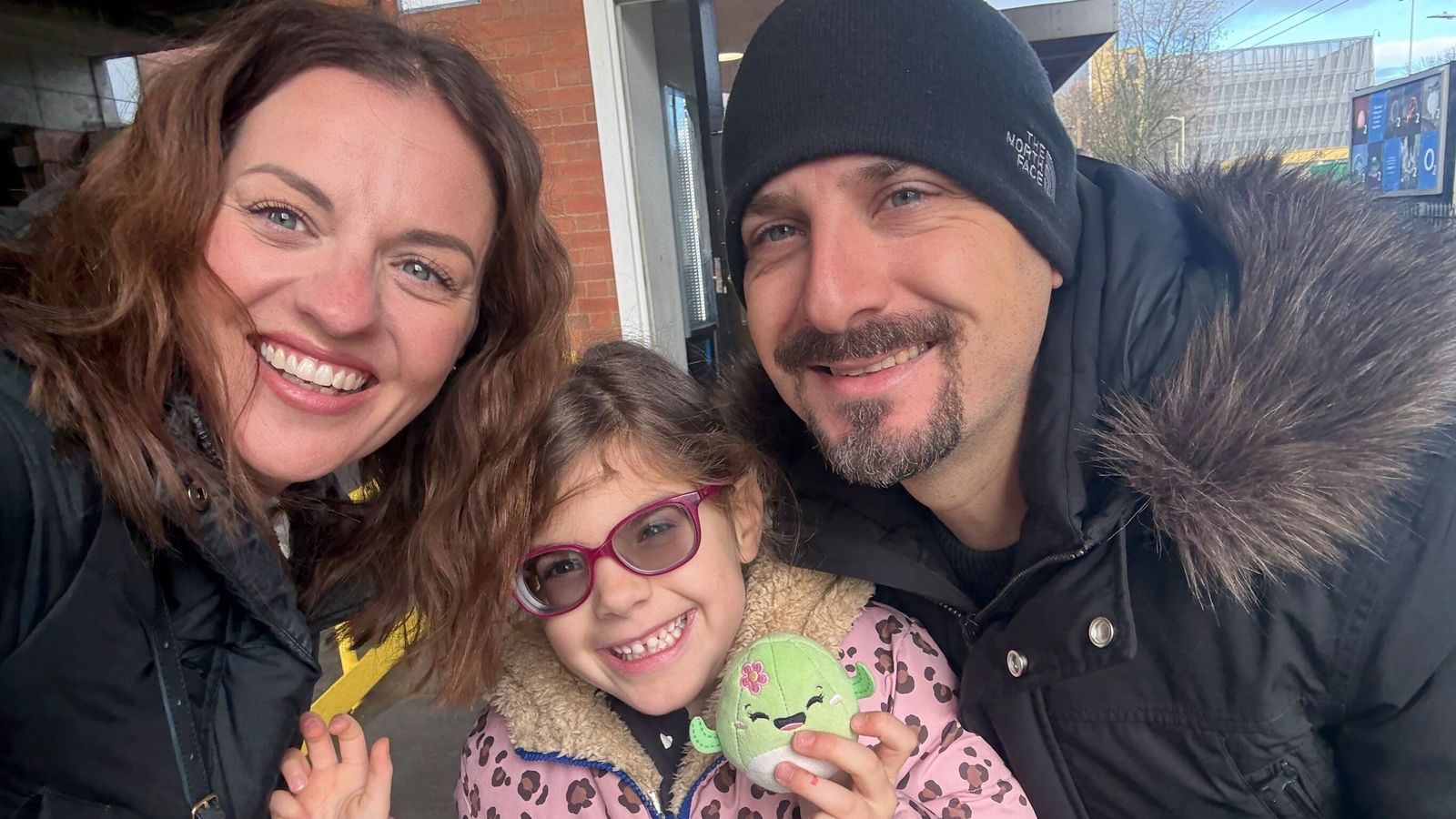
The six-year-old patient, Saffie Sandford, underwent the procedure at GOSH, where the Luxturna therapy was administered. The treatment works by delivering a correct version of the RPE65 gene directly into the retinal cells, effectively repairing the genetic fault. The results have been nothing short of miraculous for Saffie and her family. Her mother, Lisa, described the transformation as if "someone waved a magic wand and restored her sight in the dark."
Rob Henderson, a consultant ophthalmologist at the hospital, emphasised the significance of early intervention. "For many of the families we work with, even small improvements in their child's ability to see the world around them make a profound difference," he stated. Treating children at a young age, he explained, can improve sight during a critical period of brain development, leading to more substantial long-term benefits.
In another piece of outstanding medical news, a UK trial for a specific type of bowel cancer has reported zero relapses among patients. The NEOPRISM-CRC study, run by University College London, treated 32 patients with the immunotherapy drug pembrolizumab before surgery. Dr Kai-Keen Shiu, who led the research, called the results "extremely encouraging," noting the potential to predict patient response through personalised blood tests. Further details are available from Positive News and University College London.
Why It Matters
These twin successes represent more than just individual patient victories; they are powerful testaments to the UK's position as a global leader in medical innovation. The restoration of a child's sight through gene therapy is a deeply moving human story that also signals a paradigm shift in treating genetic diseases. It offers a tangible future where inherited conditions are not a life sentence but a treatable reality. This provides immense hope to thousands of families affected by similar disorders, showcasing a direct and profound return on investment in scientific research.
Similarly, the bowel cancer trial's perfect outcome has the potential to rewrite treatment protocols worldwide. By using immunotherapy before surgery, clinicians may be able to eradicate tumours more effectively and eliminate the need for debilitating chemotherapy, drastically improving patients' quality of life. This approach, if validated in larger studies, could save thousands of lives annually and reduce the immense physical and emotional burden of cancer treatment. Together, these breakthroughs highlight how targeted, research-led medicine is changing the human experience of disease.
Local Impact
For communities across the UK and Ireland, these advancements are not distant scientific curiosities but sources of immediate hope. The availability of Luxturna on the National Health Service means that children like Saffie, regardless of their background, can access this revolutionary treatment. This reinforces the core principle of the NHS to provide cutting-edge care to all. The success at GOSH will resonate through paediatric and genetic clinics across the country, offering a new standard of care.
Likewise, the positive results from the bowel cancer trial will have a significant impact on oncology departments throughout the UK and Ireland. As the findings are disseminated, they will inform clinical practice, offering a new, more effective treatment pathway for a disease that affects thousands locally each year. This brings hope directly into homes and communities touched by cancer.
What's Next
GOSH will continue its research, with further trials planned to adapt gene therapy for other inherited eye diseases throughout 2026. For the bowel cancer treatment, long-term follow-up studies on the pembrolizumab trial patients are underway, with the next set of results anticipated in late 2026. Regulatory bodies will be closely watching these developments, with potential for wider NHS adoption of these protocols expected in 2027, heralding a new era of care.