2000 Guineas at Newmarket: Distant Storm and Bow Echo Head Classic Field on Guineas Weekend
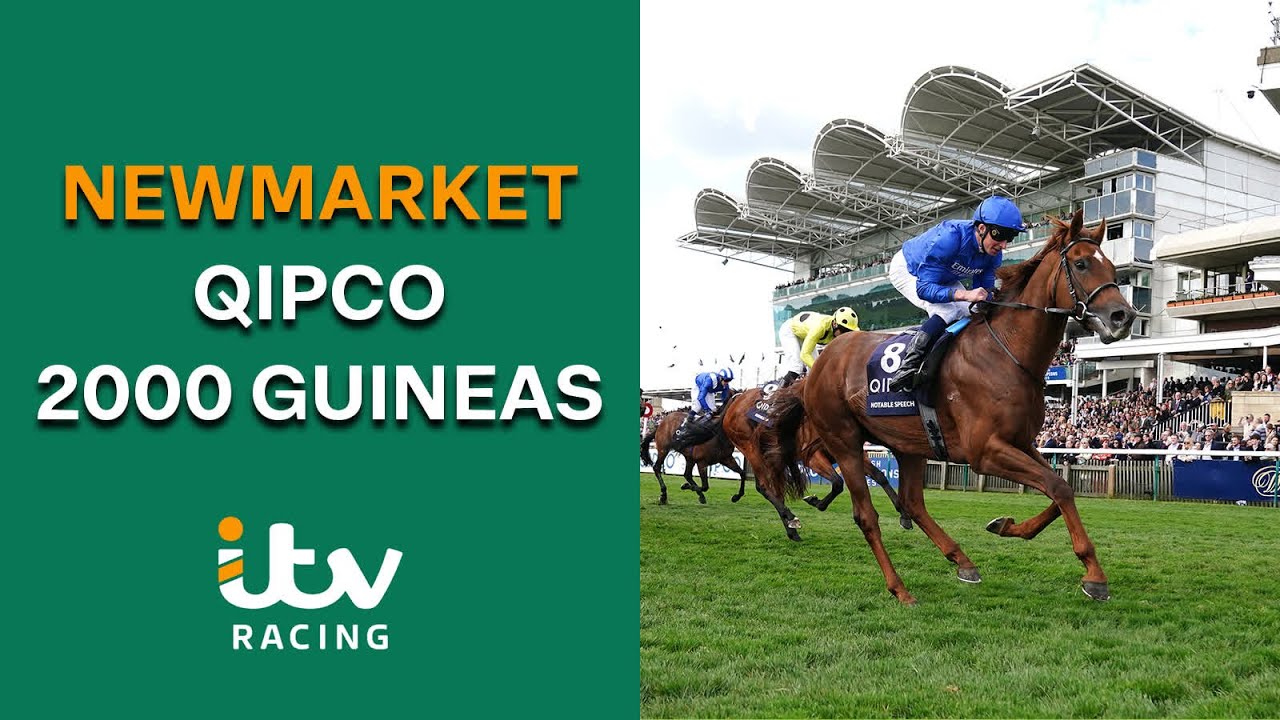
The flat racing season reaches its first major peak this afternoon with the running of the Betfred 2000 Guineas Stakes at Newmarket's historic Rowley Mile. A field of Europe's finest three-year-old colts will compete for the prestigious Group 1 Classic, with Godolphin's Distant Storm and the unbeaten Bow Echo vying for favouritism in what promises to be a thrilling contest over the straight mile at 3:35 PM.
Background
The 2000 Guineas is one of the five British Classics, a series of historic races for three-year-old horses that form the pinnacle of the sport. First run in 1809, it is the traditional opening leg of the English Triple Crown (followed by the Derby at Epsom and the St Leger at Doncaster) and is considered the ultimate test for a miler. Winning the Guineas instantly elevates a colt's status, marking them as a potential champion and a priceless stallion prospect. The race is run on the famous Rowley Mile, a straight course with a daunting final furlong that includes a sharp incline known as The Dip, which has tested the stamina and courage of countless champions over two centuries.
This year's renewal takes place against a backdrop of dominance by one particular trainer: Charlie Appleby. The Godolphin handler has established a remarkable record in the race, winning three of the last four runnings with Masar (2018), Coroebus (2022), and last year's victor, Ruling Court, ridden by William Buick. This formidable record means any horse sent to the race from his Moulton Paddocks stable commands immediate respect. The race's history also offers intriguing trends for punters to consider. Favourites have a notoriously poor record, with Churchill in 2017 being the only winning favourite since 2013. Furthermore, a key statistic reveals that 23 of the last 24 winners finished in the top three on their previous start, highlighting the importance of proven, recent form coming into the race.
Key Developments
As the market stands, three horses have separated themselves at the top of the betting. Gstaad currently holds narrow favouritism at 5/2, but strong support has come for both Bow Echo (7/2) and the Charlie Appleby-trained Distant Storm (9/2). According to expert analysis from The Sporting News UK, Distant Storm is the selection to beat. Tipped as their NAP of the day, the colt has proven form on the course and represents the powerful combination of Appleby and Godolphin. His main danger is identified as Bow Echo, who brings an unbeaten record to the contest and also boasts valuable experience at Newmarket, a crucial factor on this unique track.
For those looking for value further down the market, Oxagon (12/1) presents an interesting case. The colt was an impressive winner of the Craven Stakes, a key Guineas trial run over the same course and distance last month. The total prize fund for the race is a handsome £525,000, with the winner set to take home a cheque for £297,728, a sum that confirms its status as one of the most important races in the global calendar. The full racecard, available via Sporting Life, details the full field of runners and riders battling for Classic glory. The excitement is not confined to Saturday; the Guineas Festival continues tomorrow with the fillies' equivalent, the 1000 Guineas, where the favourite Precise (9/4) will be looking to cement her status as the queen of her generation.
Why It Matters
The 2000 Guineas is the first true litmus test of a generation. It is where the hype of the two-year-old season meets the reality of Classic competition. A victory here does not just mean prize money; it carves a name into history and, crucially, the breeding sheds. The winner immediately becomes one of the most valuable stallion prospects in the world, with the potential to earn their owners tens of millions over a stud career. For trainers and jockeys, winning a Classic is a career-defining achievement. For the Godolphin operation, another win would underscore their dominance in British racing, while a victory for a smaller yard could be a life-changing event.
Comparatively, while events like Royal Ascot may have more races, the Guineas, Derby, and St Leger represent the historical soul of the sport. They are the link to the very origins of thoroughbred racing, and winning one remains the ultimate dream for owners, breeders, trainers, and jockeys worldwide. The Irish racing and breeding industry has a huge stake in the outcome, with many of the top contenders being Irish-bred, and a strong performance by Irish horses enhances the global reputation of the Irish thoroughbred, which is a multi-billion euro industry and a significant rural employer.
Local Impact
The Guineas Festival is a cornerstone of the Newmarket economy. The town, known as the headquarters of British horseracing, comes alive during the meeting. Hotels, restaurants, and local businesses experience a massive surge in trade as thousands of racing fans descend from across the UK, Ireland, and beyond. The race meeting supports a vast local ecosystem of stable staff, breeders, farriers, and veterinarians who call the area home. For the Irish racing and breeding industry, the Guineas is a key barometer of success, with many of the top contenders being Irish-bred. A strong performance by Irish horses enhances the global reputation of the Irish thoroughbred, which is a multi-billion euro industry and a significant rural employer.
What's Next
Following the 2000 Guineas, the focus will immediately shift to the next Classic, the Betfred Derby at Epsom Downs in early June. The winner and placed horses from today's race will be scrutinised to see if they have the stamina to step up to the Derby's mile-and-a-half distance. Some contenders may instead be aimed at the St James's Palace Stakes at Royal Ascot, a Group 1 contest over a mile. Tomorrow, attention remains firmly on the Rowley Mile for the 1000 Guineas, where the top three-year-old fillies will have their chance at Classic glory.